How to Build a Home Gym in a Small Apartment

Why Build A Home Gym In A Small Apartment?
Many people believe a home gym is only possible in big houses or spacious garages. But with smart planning, even a small apartment can become your fitness zone. Busy schedules, expensive gym memberships, or privacy concerns make working out at home more appealing than ever. Building your own gym lets you exercise anytime, saves money in the long run, and helps you stay consistent. Even if you have just a corner or a few feet of open space, you can create a setup that matches your fitness goals and lifestyle.
Having a home gym in a small space also removes many barriers. You don’t need to travel or wait for equipment. You can work out in your own way, wearing what you like, and listening to your favorite music. For people who feel shy or nervous in public gyms, an apartment gym is a safe, private place to start or continue their fitness journey.
Over time, this personal comfort often leads to better exercise habits and improved results.
Planning Your Home Gym: Assessing Space And Needs
Before you buy equipment or rearrange your furniture, take time to plan. This stage is the foundation for a successful gym that fits your apartment and your life.
Measuring Your Space
Start by identifying potential workout areas. Common choices include:
- A corner of the living room
- Bedroom space near the bed
- Hallways or entryways
Clear out unnecessary items and measure your available space. Use a tape measure to check the length, width, and height. Remember, some exercises need more room for movement. For example, yoga or stretching can use an area as small as 6×6 feet, while strength training might need extra clearance.
Think about how your space changes during the day. Maybe you can move a coffee table for workouts, then put it back afterward. Some people use sliding screens or curtains to temporarily “hide” their gym when not in use. If you share your apartment, discuss your plans with roommates or family to avoid conflicts over space.
Setting Fitness Goals
Your equipment and layout depend on your goals. Are you focusing on cardio, strength, flexibility, or a mix? Write down your top priorities, such as losing weight, building muscle, or improving mobility. This step helps you avoid buying gear you won’t use.
For example, if you want to improve flexibility, a yoga mat and resistance bands may be enough. If you plan to do strength training, you might prioritize dumbbells or a bench. Listing your main goals first keeps you focused and prevents you from wasting money or filling your space with unused items.
Budget Planning
Home gyms can be affordable or expensive. Decide how much you want to spend and list must-have items first. Many basic setups cost under $400, but prices vary based on equipment quality and quantity.
Remember to include extra costs like shipping or small storage solutions. Some people find creative ways to save money, such as buying used gear or waiting for sales. If your budget is limited, focus on versatile equipment you can use for many exercises, rather than single-purpose machines.
Non-obvious Insight
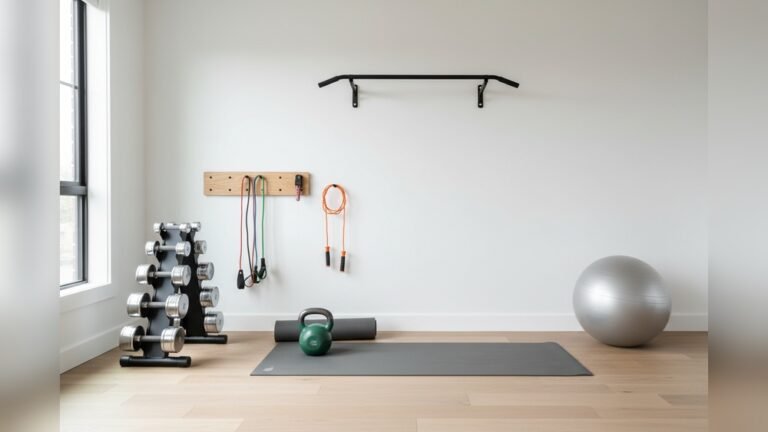
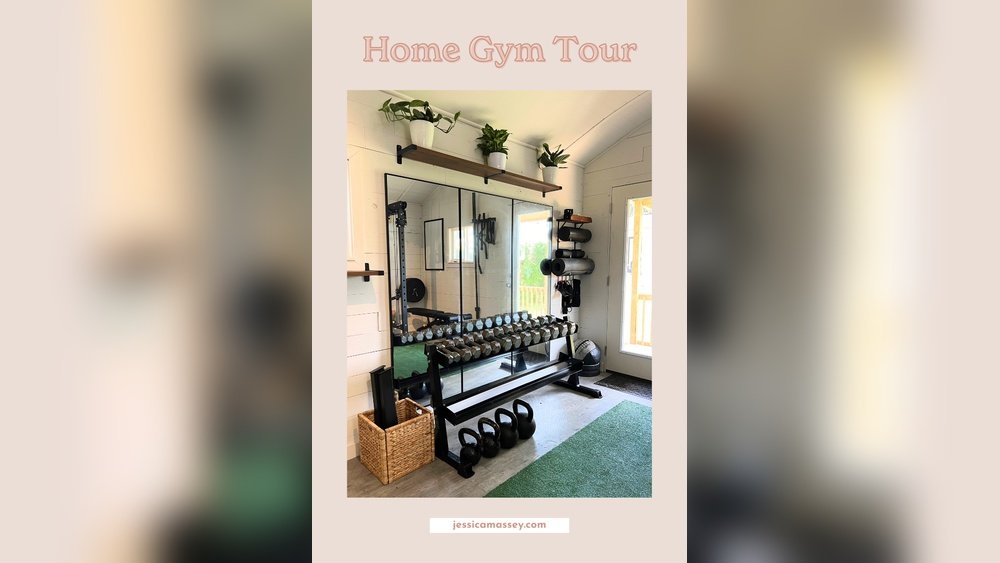
Most beginners forget about vertical space. Wall-mounted racks, foldable equipment, and overhead storage can double your usable area without cluttering the floor.
A smart way to expand your gym is by thinking “up” instead of “out. ” For example, hooks on the back of a door can hold resistance bands or jump ropes. Shelves above eye level can store lighter items like towels or yoga blocks.
Using vertical space keeps your floor clear and your apartment tidy, making it easier to transition between gym and living area.

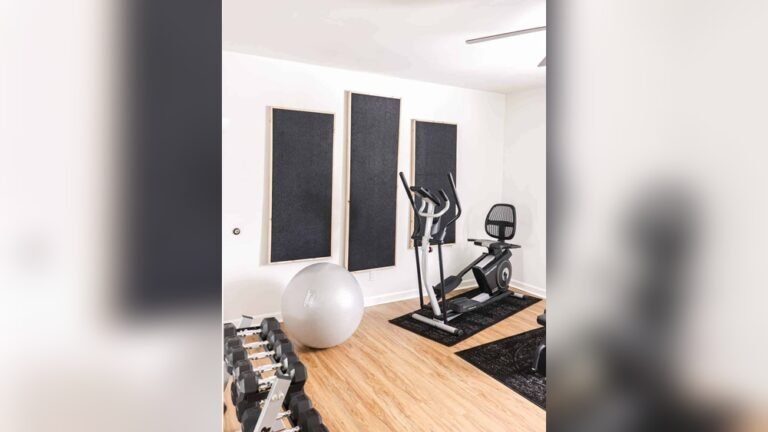
Credit: www.blesserhouse.com
Choosing Essential Equipment For Small Spaces
Picking the right equipment is crucial. You need tools that serve multiple purposes, are compact, and easy to store. Let’s compare popular options:
| Equipment | Main Use | Space Needed | Storage Ease |
|---|---|---|---|
| Resistance Bands | Strength, flexibility | Minimal | Very easy |
| Dumbbells | Strength | Small | Easy |
| Yoga Mat | Stretch, core | Small | Very easy |
| Adjustable Bench | Strength | Medium | Moderate |
| Jump Rope | Cardio | Minimal | Very easy |
| Foldable Treadmill | Cardio | Medium | Moderate |
| Kettlebell | Strength, cardio | Small | Easy |
| Foam Roller | Recovery | Small | Easy |
Multi-use Equipment
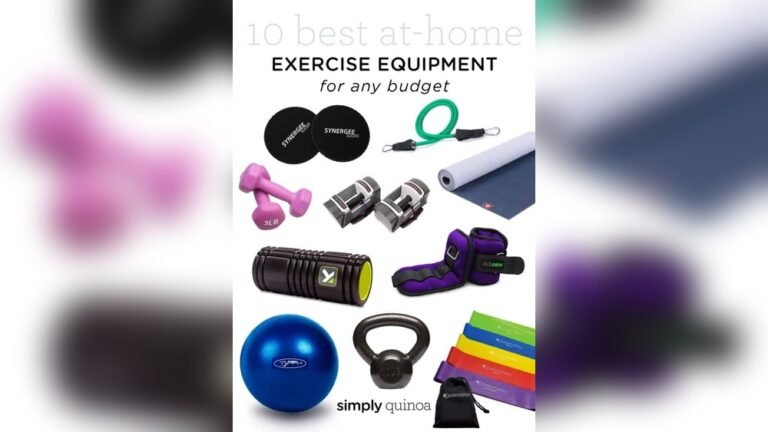
Choose items with more than one purpose. For example, adjustable dumbbells let you do many exercises without needing separate weights. Resistance bands are affordable, light, and fit in a drawer, but also allow strength, mobility, and stretching workouts.
A single kettlebell can be used for swings, squats, presses, and even cardio intervals. An adjustable bench can be set flat for presses, inclined for curls or sit-ups, or used as a platform for step-ups. These choices save space and money compared to buying several single-use items.
Space-saving Machines
If you want machines, look for foldable treadmills or compact stationary bikes. These can slide under beds or stand upright in closets.
Some new machines are designed specifically for small homes. For example, under-desk pedal bikes or “mini steppers” provide cardio without taking up much room. Consider your storage options before purchasing. If you have a closet or space under your bed, measure to make sure your machine will fit when folded.
Practical Advisor Tip
Don’t buy everything at once. Start with basic gear and add more as you discover what you use most. Many beginners fill their apartment with equipment that never gets used.
Test your routine for a few weeks with minimal equipment. You may realize that you prefer bodyweight exercises or that you only use certain items. This approach keeps your space open and your spending under control. Remember, the most effective gym is one you actually use regularly.
Organizing Your Home Gym For Maximum Efficiency
How you arrange your equipment affects both safety and motivation. An organized space makes working out easier and helps you stay consistent.
Using Vertical And Hidden Storage
Maximize space by storing gear vertically or in hidden spots. Here are some practical ideas:
- Wall hooks for resistance bands, jump ropes, or mats
- Over-the-door racks for foam rollers and towels
- Under-bed storage bins for small weights
You can also use shelves above head height for lighter items. If your gym is in your living room, consider using furniture with built-in storage, like ottomans or benches. Keeping your equipment out of sight when not in use helps maintain the look and comfort of your home.
Creating A Dedicated Zone
Even in a small apartment, having a “gym zone” helps mentally separate exercise from rest. Use a rug, mat, or visual divider to mark the area.
You might also use a folding screen, a different wall color, or simply arrange your furniture so your gym area feels separate. This small change can increase your motivation and reduce distractions during workouts.
Keeping It Clutter-free
Only keep equipment you use regularly in your gym zone. Store extra items elsewhere. Clutter can discourage workouts and make the space feel smaller.
Make it a habit to put equipment away after each workout. Use baskets or bins for small items. If you notice gear collecting dust, consider selling or donating it to free up space.
Lighting And Ambience
Good lighting boosts motivation. If possible, use natural light near windows. If not, invest in bright LED lamps. Mirrors can make the area feel larger and help you check your form.
Adding a mirror also increases the sense of space and lets you monitor your posture. Some people like to use string lights or soft lamps for a cozy feel, especially if they exercise early or late in the day.
Calm Expert Insight
Most people forget about noise control. Use mats or soft flooring to reduce impact sounds, especially if you live above neighbors. Noise reduction also protects your floors.
Carpet tiles, foam mats, or layered rugs can all help. If you do high-impact exercises, consider extra padding or even specialized gym flooring. This keeps your workouts quiet and avoids complaints from neighbors.
Designing A Workout Routine For Your Apartment Gym
Once your space is ready, the next step is to build a routine that fits both your goals and your apartment layout.
Sample Weekly Routine
Here’s an example schedule for balanced fitness:
- Monday: Cardio (jump rope, HIIT, treadmill)
- Tuesday: Strength (dumbbells, resistance bands)
- Wednesday: Mobility (yoga, stretching)
- Thursday: Cardio (bodyweight circuits)
- Friday: Strength (kettlebell, bench)
- Saturday: Recovery (foam roller, stretching)
- Sunday: Rest or light activity
This routine covers all key fitness areas and keeps things interesting. You can change the schedule to suit your own needs. For example, if you have more time on weekends, save your longer workouts for Saturday or Sunday.
Example Exercises For Small Spaces
- Squats, lunges, push-ups, planks: All require little space
- Band rows, shoulder presses, bicep curls: Use resistance bands or dumbbells
- Jumping jacks, mountain climbers, burpees: Cardio in limited space
You can also do wall sits, tricep dips using a sturdy chair, or even standing stretches. For variety, try creating “circuits” of 4–5 exercises, repeating each for 30 seconds with short rest breaks.
Friendly Mentor Tip
Keep your workouts short but intense. Most apartment gym routines can be done in 30–40 minutes. This prevents boredom and fits busy schedules.
Short, focused workouts are more likely to become a habit. If you’re busy, even 15–20 minutes is better than skipping entirely. Adjust your routine as needed, but try to stay active most days of the week.
Managing Apartment Limitations: Noise, Safety, And Neighbors
Apartments have unique challenges. Noise, space, and safety are top concerns.
Noise Reduction
Use thick mats or carpet under equipment to absorb sound. Avoid dropping weights. Try quiet cardio, such as stationary bikes or elliptical trainers.
You can also wear soft-soled shoes or go barefoot to reduce noise. If you must do jumping exercises, do them during the day or over reinforced areas of your floor.
Safety Precautions
- Always check your floor strength before heavy lifting or using machines.
- Keep walkways clear to avoid trips and falls.
- Make sure equipment is stable and doesn’t wobble.
Check that your ceiling is high enough for overhead movements, especially with resistance bands. Don’t block doors or emergency exits with equipment.
Respecting Neighbors
If you live above someone, avoid jumping or loud exercises early in the morning or late at night. Communicate with neighbors if noise becomes a problem.
Consider using a schedule for your workouts and notify your neighbors if you plan to try something new or louder. A simple conversation can prevent misunderstandings or complaints.
Experience-based Guide Insight
A common mistake is ignoring building rules. Many apartments have restrictions on equipment types or noise levels. Check your lease before installing wall racks or bringing in heavy gear.
Some apartments may also limit electrical outlets, which can affect where you put machines. Always ask your building manager if you’re unsure.
Budget-friendly Equipment Picks: Quality Vs Cost
You don’t need to spend thousands of dollars to build a functional home gym. Here’s a guide to finding the best value.
Basic Equipment Price Comparison
| Item | Average Price (USD) | Longevity | Recommended Brands |
|---|---|---|---|
| Resistance Bands | $10–$40 | High | Fit Simplify, TheraBand |
| Dumbbells (adjustable) | $60–$200 | High | Bowflex, PowerBlock |
| Yoga Mat | $20–$80 | High | Manduka, Gaiam |
| Jump Rope | $10–$30 | High | RX Smart Gear |
| Kettlebell | $30–$80 | High | CAP Barbell, Rogue |
| Foldable Treadmill | $250–$700 | Medium | Sunny Health, Xterra |
Buying Tips
- Start small: Buy only what you need for your first month.
- Check used markets: Craigslist, Facebook Marketplace, and local ads often have quality gear at lower prices.
- Invest in durability: Cheap equipment breaks easily and can cause injuries.
- Look for warranties: Many brands offer replacements or repairs for faulty items.
Another tip is to read reviews before buying. Look for comments on equipment size, noise, and how easy it is to store. Sometimes, more expensive gear is worth it for the added safety and longer lifespan.
Straight-to-the-point Helper Insight
Beginners often overlook shipping costs for heavy equipment. These fees can be high, so check before ordering.
If you live in a building with no elevator, consider how you’ll move heavy items up stairs. Some sellers offer free delivery or carry-in service, which can save you time and effort.
Smart Storage Solutions For Apartment Gyms
A tidy gym is easier to use and keeps your apartment looking clean.
Storage Hacks
- Use rolling carts for easy movement of dumbbells, bands, and mats.
- Store equipment in ottomans or benches with hidden compartments.
- Hang items on wall-mounted racks for quick access.
A hanging shoe organizer can hold small items like water bottles, towels, or gloves. If you have children or pets, choose storage options that keep equipment out of reach when not in use.
Diy Storage Ideas
- Make your own shelf using sturdy boards and wall brackets.
- Use shoe organizers for small items like resistance bands and jump ropes.
You can also repurpose items you already have. For example, a bookshelf can become a rack for light weights or yoga blocks. Some people use hooks inside closets to keep resistance bands and jump ropes organized.
Non-obvious Insight
Most people don’t think about multi-use furniture. A storage bench can double as a workout seat and hold equipment inside.
Consider foldable desks or tables that can be used for work during the day and cleared for exercise in the evening. This flexibility is especially useful if your apartment is very small.
Creating Motivation: Making Your Gym Inviting
Staying motivated is easier with a gym that feels welcoming.
Decor And Ambience
- Use motivational posters or photos.
- Add plants for freshness and color.
- Choose bright, uplifting colors for your gym zone.
You can also use scents like citrus or mint to boost energy. A small diffuser or scented candle can make your gym area more pleasant and help you associate it with positive feelings.
Tracking Progress
Place a whiteboard or notebook in your gym area to write down workouts and goals. Seeing your progress makes you want to keep going.
Some people use phone apps or sticky notes to track habits. Others display medals, certificates, or before-and-after photos as reminders of their journey.
Experience-based Guide Tip
Music boosts energy. Use wireless speakers or headphones. But keep volume reasonable to avoid disturbing neighbors.
Create workout playlists to match the intensity of your routines. Upbeat music can help you push through tough sessions, while calm tracks are perfect for stretching or yoga.
Home Gym Safety: Protecting Yourself And Your Space
Safety is often forgotten in home gyms. Here’s how to keep workouts safe.
Injury Prevention
- Warm up before every session.
- Use correct form, especially with weights.
- Don’t overload equipment beyond its rating.
Take time to learn new exercises slowly. Watch videos or consult a trainer online if you’re unsure about technique.
Equipment Maintenance
- Check straps, bands, and weights for wear.
- Clean mats and gear regularly to prevent slips.
If you notice cracks, fraying, or broken parts, replace the item before using it again. Clean sweat off equipment after each session to keep it hygienic and safe.
Apartment Protection
Put mats under heavy equipment to protect floors. Use pads for walls if you do exercises like wall sits.
If you rent, check with your landlord about using adhesives or screws for wall storage. There are removable hooks and racks that won’t damage surfaces.
Workout Apps And Online Resources
Technology helps make apartment workouts more effective. Many apps and websites provide routines, tracking, and coaching.
Popular Apps
- Nike Training Club: Free workouts for all levels.
- Fitbod: Custom strength routines.
- Yoga Studio: Guided yoga sessions.
Many of these apps have video instructions, timers, and reminders. You can filter by workout length, intensity, or available equipment.
Online Classes
Websites like YouTube have thousands of workout videos for every goal and space size. Look for trainers who specialize in small-space workouts.
Some trainers offer live-streamed classes, which help you feel part of a community. Virtual classes can also be a good way to stay accountable and motivated.
Calm Expert Insight
A common mistake is trying to follow routines made for large gyms. Choose programs that match your space and equipment.
If a routine calls for barbells or large machines, look for alternatives using bands, dumbbells, or bodyweight. Modifying exercises helps you avoid frustration and keeps you safe.
Dealing With Common Challenges
Building a home gym in a small apartment isn’t always easy. Here’s how to handle typical problems.
Lack Of Space
- Use foldable or stackable equipment.
- Work out in shifts (move furniture when needed).
Try working out at different times of day to see when the space is most available. Some people even use their balcony or hallway if allowed.
Motivation
- Schedule workouts at the same time daily.
- Find an online workout buddy.
Setting alarms or reminders helps create a routine. Sharing your goals with friends or family gives extra encouragement.
Equipment Limits
- Use bodyweight exercises when gear is limited.
- Change routines every few weeks to avoid boredom.
Bodyweight training can be very effective. Squats, push-ups, and planks build strength without any equipment. If you get bored, try new variations or increase the number of sets.
Friendly Mentor Insight
Don’t worry if your gym isn’t perfect. Progress happens with consistency, not fancy equipment.
Focus on doing your best with what you have. Even small steps, done regularly, lead to big results over time.
Real-life Examples: Small Apartment Gym Success Stories
Seeing how others succeeded can inspire you. Here are three true stories:
Case 1: Studio Apartment Transformation
Sarah, a 28-year-old teacher, cleared a corner of her studio and added a foldable treadmill, dumbbells, and a yoga mat. She used a rolling cart for storage and worked out daily before work. Her fitness improved, and she saved $600 yearly on gym fees.
Sarah also noticed her energy increased. She started inviting friends to join her for online workout classes, making fitness a social activity. This support kept her motivated even on tough days.
Case 2: Family Of Four
The Johnsons created a gym zone in their living room with resistance bands, jump ropes, and a foam roller. Each family member used the area for their own routine. By sharing equipment, they avoided clutter and stayed active together.
They turned exercise into a family event, sometimes doing group stretching or quick cardio challenges. The children enjoyed the variety, and everyone learned the importance of making health a shared priority.
Case 3: Busy Professional
Michael, a software engineer, installed wall hooks for bands and a pull-up bar above his door. He squeezed in 20-minute workouts between meetings. His home gym helped him reduce stress and stay healthy.
Michael also created a checklist of exercises on his phone, so he always knew what to do next. This saved time and kept him focused, especially during busy work weeks.
Advanced Tips For Small Apartment Gyms
Once your basic gym is running, you can upgrade with advanced strategies.
Customizing Equipment
- Buy adjustable benches that fold flat.
- Add modular racks for storing weights.
Some advanced trainees use “all-in-one” gym stations that combine several workout options in a single unit. These are compact and ideal for apartments with a bit more space.
Smart Tech
- Use fitness trackers to monitor activity.
- Install smart lighting that adjusts for workouts.
A Bluetooth speaker or smart assistant can play music, set timers, or control lights hands-free, making your workouts smoother.
Experience-based Guide Insight
Don’t forget about airflow. Good ventilation keeps your gym comfortable and prevents odors.
If your windows don’t open, consider a small fan or air purifier. This makes workouts safer and more pleasant, especially during hot weather or intense sessions.

Credit: eurotuningfiles.com
Environmental And Health Benefits
Home gyms aren’t just good for your body—they’re good for the planet.
Lower Carbon Footprint
No driving to the gym means fewer emissions. Using bodyweight exercises and minimal gear reduces waste.
You also use less electricity than big gyms, which run many machines and lights all day. Choosing long-lasting, high-quality equipment also creates less trash over time.
Health Benefits
Home gyms reduce the risk of catching colds or flu in crowded spaces. You control cleanliness and air quality.
Being able to work out at home is especially helpful during flu season or in times when public gyms are closed. You can clean your own equipment and keep your space safe for yourself and your family.
Upgrading Your Apartment Gym: When And How
If you outgrow your basic setup, here’s how to upgrade smartly.
Signs You’re Ready To Upgrade
- You’re consistently using your current equipment.
- You want to add new exercises.
- You have space for more gear.
You may also notice that your workouts feel too easy or repetitive. This is a good time to challenge yourself with new equipment or routines.
Upgrade Ideas
- Buy heavier weights or new machines.
- Add mirrors or better lighting.
- Expand storage with new racks.
If you find you love a certain type of workout, consider specialty equipment, like a spin bike or rowing machine. Always measure your space before buying anything larger.
Straight-to-the-point Helper Tip
Don’t upgrade until you’re sure you’ll use new equipment. Test routines before investing.
Borrow or rent equipment if possible, or try the exercises at a friend’s home or a local gym. Only buy when you’re confident it’s the right fit for your space and goals.

Apartment Gym Maintenance: Keeping It Fresh
Regular maintenance keeps your gym safe and inviting.
Cleaning Routine
- Wipe down mats and equipment after each use.
- Vacuum or sweep floors weekly.
Deep clean your area once a month. If you sweat a lot, clean more often to prevent odors and bacteria.
Gear Checks
- Inspect bands for cracks.
- Tighten bolts on benches and racks.
Check moving parts on machines for wear. Replace batteries in fitness trackers or smart devices as needed.
Friendly Mentor Insight
Set a reminder for monthly equipment checks. This prevents injuries and extends the life of your gear.
A calendar alert or sticky note on your gym storage is an easy way to remember.
Apartment Gym Etiquette: Sharing And Respect
If you share your apartment, respect others’ needs.
Scheduling
Set workout times that don’t disturb roommates or family. Use headphones for music.
Try to be flexible if someone needs the space for another activity. If possible, coordinate schedules ahead of time to avoid surprises.
Equipment Sharing
Agree on storage rules. Clean gear after use.
Label personal items if needed. Make sure everyone knows where to find and return each piece of equipment.
Calm Expert Insight
Communication prevents conflicts. Talk to housemates about your gym plans.
Being open about your needs helps everyone feel respected. If issues come up, address them calmly and look for compromises.
Home Gym For All Levels: Beginners To Advanced
No matter your fitness level, you can build a gym that works for you.
Beginners
- Focus on simple, safe exercises.
- Use basic gear like mats and bands.
Learn the basics of form and build up your confidence before adding more equipment.
Intermediate
- Add weights, benches, and more routines.
Try new styles, like interval training or circuits, to challenge your body and keep workouts interesting.
Advanced
- Upgrade to machines and specialized equipment.
Explore advanced moves, like kettlebell complexes or plyometrics, if your space allows. Track progress closely to avoid plateaus.
Non-obvious Insight
Even advanced athletes can train well in small spaces. Creativity is key—use compound exercises and high-intensity circuits.
You can get a full-body workout using just your bodyweight and a few small tools. Focus on quality, not just quantity or equipment size.
Apartment Gym For Special Needs
Adapt your gym for injuries, disabilities, or seniors.
Modifications
- Use chairs for seated exercises.
- Choose lightweight bands or small dumbbells.
Many exercises can be done while sitting or holding onto a sturdy surface for balance.
Accessibility
Make sure equipment is easy to reach and adjust.
Store heavier items at waist height to reduce the risk of injury. If you use a wheelchair, measure doorways and clear paths for easy movement.
Experience-based Guide Tip
Check with a doctor before starting new routines, especially after injury.
Professional advice ensures you choose safe, effective exercises for your needs.

Credit: www.lelaburris.com
Seasonal Adjustments
Adjust your gym for hot or cold weather.
Summer
- Use fans or open windows.
- Stay hydrated.
Exercise early or late to avoid the hottest part of the day. Wear light, breathable clothes.
Winter
- Use heaters or warm clothing.
- Warm up longer to prevent injury.
Layer your clothing and stretch longer before intense workouts. Consider indoor cardio if it’s too cold to open windows.
Combining Home Gym With Outdoor Workouts
Mix indoor and outdoor routines for variety.
Outdoor Options
- Run or walk outside.
- Use parks for bodyweight exercises.
You can bring your resistance bands or yoga mat outdoors for a change of scenery. Many parks have benches, stairs, or other features useful for exercise.
Indoor-outdoor Balance
Plan workouts based on weather and time.
If it’s raining or dark, stick to your apartment gym. On nice days, enjoy fresh air and sunlight outside for extra motivation.
Tracking Progress And Staying Accountable
Keep your motivation high with tracking and accountability.
Progress Tracking
- Use apps or journals.
- Take photos every month.
Seeing clear results is motivating and helps you adjust routines as needed.
Accountability
- Join online fitness groups.
- Share goals with friends.
Virtual challenges or check-ins add support and make workouts more fun.
Friendly Mentor Insight
Celebrate small wins. Progress takes time.
Recognize each step, whether it’s finishing a workout, learning a new move, or sticking to your routine for a week.
Frequently Asked Questions
How Much Space Do I Need To Build A Home Gym In My Apartment?
Most small apartment gyms need 6×6 feet for basic routines. You can use less for stretching or yoga. Cardio machines like treadmills need more space, about 6×3 feet. Using vertical storage or foldable equipment helps maximize your area.
What Equipment Is Best For A Small Apartment Gym?
The best choices are resistance bands, adjustable dumbbells, and a yoga mat. These items are compact, versatile, and easy to store. If you have more space, add a foldable bench or treadmill. Choose gear based on your goals and available room.
How Can I Reduce Noise When Working Out In My Apartment?
Use thick mats or carpets under equipment to absorb sound. Avoid dropping weights and choose quiet cardio options like stationary bikes. Work out at reasonable hours to respect neighbors. Some apartments require noise control, so check building rules.
What Are Common Mistakes When Building An Apartment Gym?
Many people buy too much equipment, ignore storage, or forget about floor protection. Others overlook noise or safety, leading to conflicts with neighbors or injuries. Start simple and expand as you learn what works best for your space.
Are There Any Online Resources For Apartment Gym Workouts?
Yes! Apps like Nike Training Club and websites such as Shape Magazine offer routines for small spaces. YouTube trainers also specialize in apartment workouts. Choose programs that fit your equipment and area.

Building a home gym in a small apartment is not just possible—it’s practical and rewarding. With careful planning, smart equipment choices, and a focus on motivation, you can turn any corner into a fitness space. Start simple, stay consistent, and upgrade as needed.
Your apartment gym will help you stay healthy, save money, and enjoy workouts without leaving home.