Do You Really Need a Power Rack for Your Home Gym?

Building your own home gym feels exciting. You picture yourself lifting weights, getting stronger, saving time, and avoiding crowded fitness centers. But as you research, you see people talking about power racks—big metal frames used for lifting. Some say you must have one. Others say you can skip it. So, what’s the truth? Do you really need a power rack for your home gym, or are there better options for your goals, space, and budget?
This guide will help you decide. We’ll look at what power racks do, how they compare to other equipment, safety, exercises, costs, and real-life examples. You’ll see clear pros and cons, learn about alternatives, and discover what matters most. By the end, you’ll know if a power rack is right for you—or if you can build a great gym without one.
What Is A Power Rack?
A power rack is a large metal frame with four upright posts. It holds adjustable safety bars and hooks to support a barbell. You can use it for squats, bench presses, deadlifts, pull-ups, and many other exercises. The main job is to keep you safe, especially when lifting heavy weights alone.
Most power racks are about 6–7 feet tall, 4 feet wide, and 4 feet deep. They weigh between 100–300 pounds, depending on the model. Some racks have extra features like pull-up bars, dip handles, and plate storage.
How Does A Power Rack Work?
You set the safety bars at your preferred height. If you fail a lift or drop the bar, the bars catch it. You can also rack and unrack the barbell for different exercises. Some racks let you adjust the spacing every 1–2 inches, so you can get the perfect fit.
Types Of Power Racks
There are three main types:
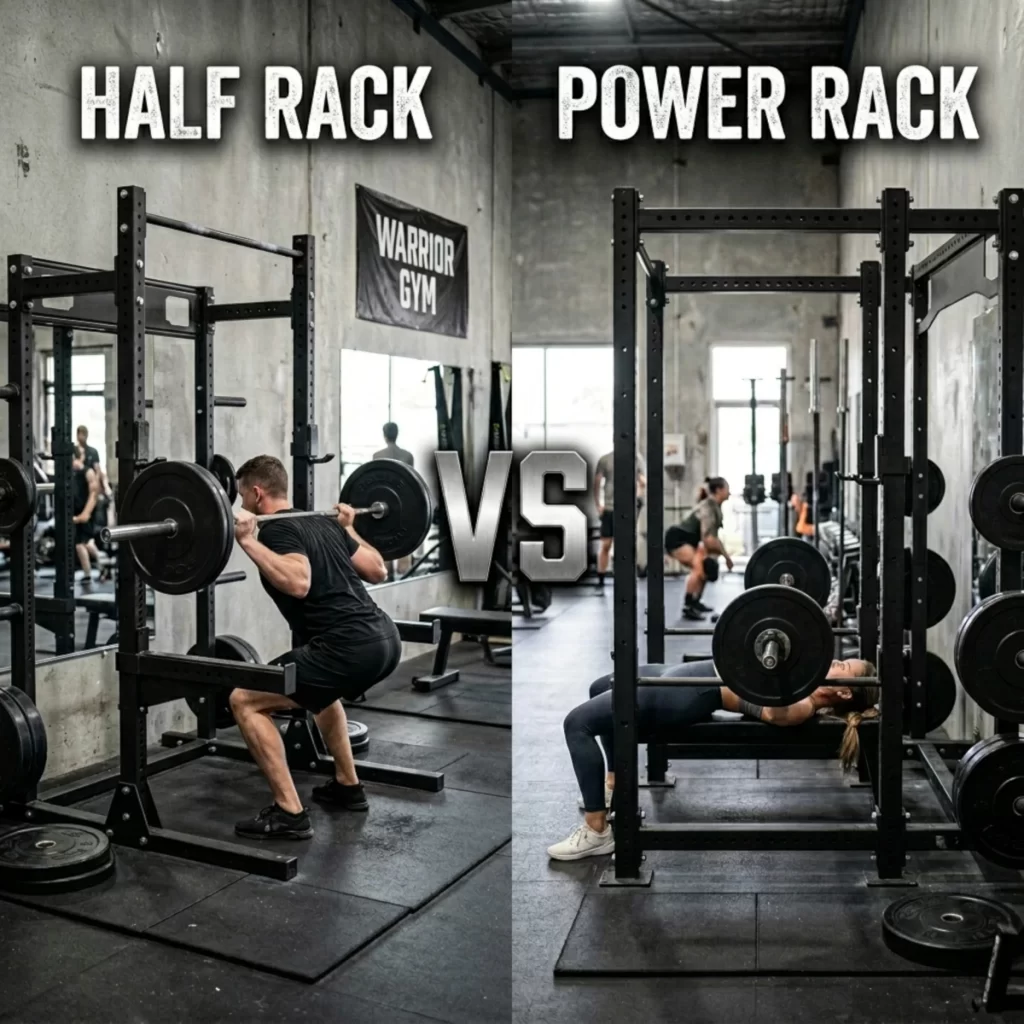
- Full Power Rack: Four upright posts, adjustable safety bars, most stable and safe.
- Half Rack: Two upright posts, less space, less stability but still usable.
- Squat Stand: Two separate stands, very compact, lowest safety, often for experienced lifters.
Here’s a simple comparison:
| Type | Main Features | Safety Level | Space Needed |
|---|---|---|---|
| Full Power Rack | Four posts, adjustable safeties, pull-up bar | Highest | Large |
| Half Rack | Two posts, limited safeties | Medium | Medium |
| Squat Stand | Separate stands, basic supports | Lowest | Small |
Why Do People Want A Power Rack?
Power racks are popular because they help with four things:
- Safety: You can lift heavy alone without worrying about getting stuck.
- Versatility: You can do many exercises—squats, bench presses, pull-ups, deadlifts.
- Progress: You can add more weight and improve over time.
- Confidence: You feel comfortable trying new lifts without a spotter.
Let’s break down these benefits:
Safety
Most injuries in home gyms happen when people try to lift heavy weights without support. For example, if you fail a squat and drop the bar, a power rack’s safety bars catch it. This can prevent serious injury. According to the National Electronic Injury Surveillance System, thousands of weightlifting injuries happen every year in the US—mostly from dropped weights or failed lifts.
Versatility
A power rack can replace several machines. You can do:
- Barbell squats
- Bench presses
- Shoulder presses
- Deadlifts
- Pull-ups and chin-ups
- Rack pulls
- Barbell rows
Some racks let you add accessories for dips, bands, or cable attachments. This makes them useful for different training styles—strength, bodybuilding, general fitness.
Progress And Confidence
When you feel safe, you can push yourself harder. You’re not afraid to try heavier weights. This helps you build muscle and strength faster. Beginners often avoid big lifts because they fear injury. A power rack removes that fear.
Who Needs A Power Rack?
Not everyone needs a power rack. Your decision depends on three main factors: training goals, space, and budget.
Training Goals
Ask yourself:
- Do you want to lift heavy barbells (squats, bench, deadlifts)?
- Are you training for strength, powerlifting, or muscle growth?
- Do you need to practice Olympic lifts (clean and jerk, snatch)?
If your answer is yes, a power rack is almost essential.
But, if you prefer bodyweight exercises, dumbbells, kettlebells, or cardio, a power rack may not be needed.
Space
Power racks take up space. You need at least 7×7 feet for a full rack, bench, barbell, and plates. Low ceilings can be a problem for tall racks or pull-ups.
Small apartments or studios may not fit a full rack. Half racks or squat stands are better for tight spaces.
Budget
A good power rack costs between $300–$1,500. Cheap racks may lack stability or safety. You’ll also need a barbell ($100–$400), plates ($1–$3 per pound), and bench ($100–$300). The total cost for a basic home gym with a rack is usually $800–$2,000.
If your budget is limited, consider alternatives:
- Dumbbells ($200–$600 for a set)
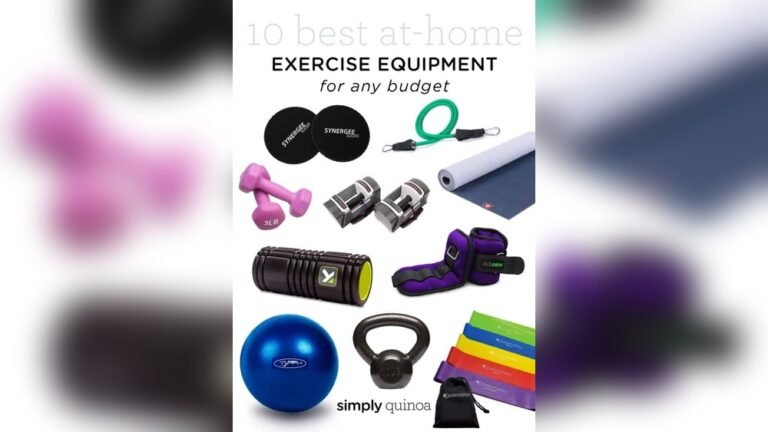
- Resistance bands ($10–$100)
- Adjustable bench ($100–$300)
- Suspension trainers ($40–$200)
Power Rack Vs. Other Equipment
To decide if you need a power rack, compare it with other common gym equipment.
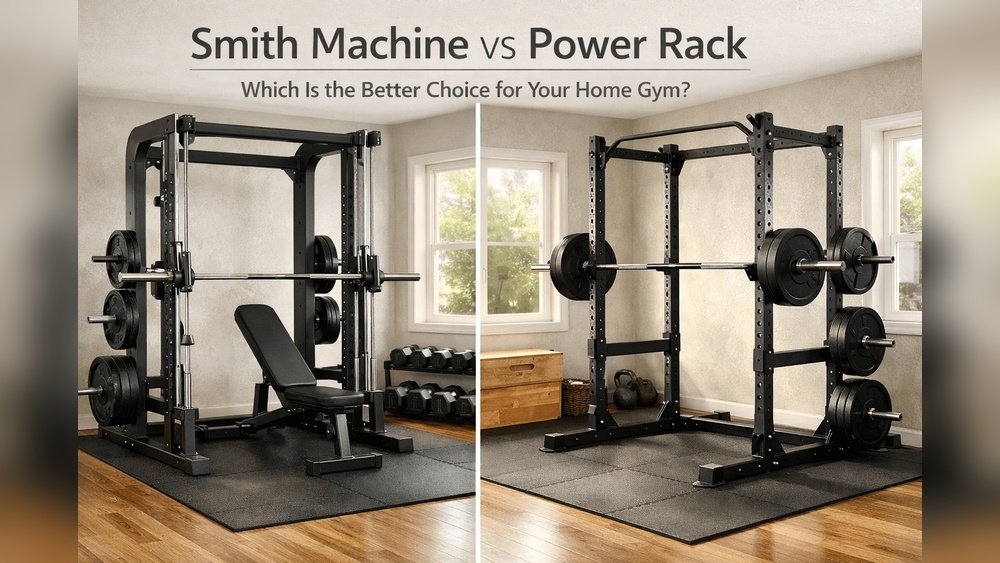
Power Rack Vs. Smith Machine
A Smith machine is a guided barbell on rails. It’s safer than free weights but limits movement.
| Feature | Power Rack | Smith Machine |
|---|---|---|
| Free Movement | Yes | No |
| Safety | High (with safeties) | Moderate (guided bar) |
| Exercise Variety | Wide | Limited |
| Price | $300–$1,500 | $800–$2,000 |
| Space | Medium–Large | Large |
Power racks are better for natural movement and more exercises.
Power Rack Vs. Dumbbells And Bench
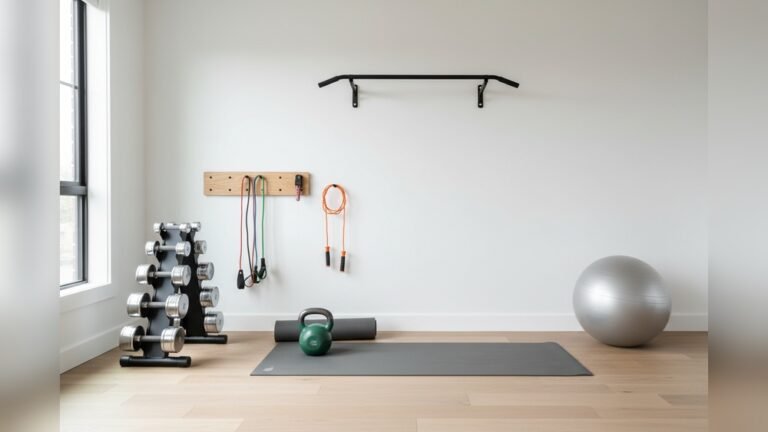
Many people build home gyms with dumbbells and a bench. This setup is cheaper and smaller.
- Dumbbells let you do presses, rows, curls, lunges, and more.
- You can’t do heavy squats, bench presses, or deadlifts with dumbbells.
- Safety is less of a concern because dumbbells are easy to drop.
For beginners or people with limited space, dumbbells may be enough. For serious strength training, a power rack is better.
Power Rack Vs. All-in-one Machines
Some home gyms use multi-gyms—machines with cables, pulleys, and weight stacks.
- Good for isolation exercises (chest fly, triceps, leg curls)
- Not ideal for big compound lifts (squat, bench, deadlift)
- Often expensive ($1,000–$3,000)
- Takes more space
If you want athletic strength or muscle growth, power racks are more effective.
Exercises You Can Do With A Power Rack
A power rack lets you perform many key lifts safely.
Barbell Squat
Set the safety bars just below your lowest squat position. If you fail, the bar lands on the safeties—not on you.
Bench Press
Slide your bench into the rack. Set safeties just above your chest. If you fail, the bar rests on the bars.
Overhead Press
Stand inside the rack. Set safeties at shoulder height. If you drop the bar, the rack catches it.
Pull-ups And Chin-ups
Most racks have a built-in pull-up bar. You can do pull-ups, chin-ups, hanging leg raises.
Rack Pulls
Set the safeties at knee height. This lets you practice deadlifts from a higher position, focusing on lockout.
Barbell Rows
Use the rack to set the bar at the right height. This makes rows easier and safer.
Dips And Accessories
Some racks let you add dip handles, band pegs, or cable attachments. This expands your exercise options.
Real Example: Muscle And Strength Gains
A study from the Journal of Strength and Conditioning Research found that free barbell exercises (using racks) led to greater muscle activation than machines. Lifters using racks improved their squat and bench press strength faster than those using Smith machines or cables.
Safety Considerations
Home gym safety is critical. Power racks help, but only if used correctly.
Setting Up Safeties
Always set the safety bars slightly below your lowest movement point. If you squat, set them just below where your hips are at the bottom. For bench press, set safeties so the bar can’t crush your chest.
Anchoring The Rack
Heavy racks are more stable. If your rack wobbles, anchor it to the floor or wall. Some racks let you use weight plates for extra stability.
Common Mistakes
- Not setting safeties correctly
- Using a rack that’s too light or flimsy
- Overloading the rack beyond its weight rating
- Placing the rack on uneven floors
These can cause injury or equipment failure.
Real-life Story
A lifter named John installed a cheap rack in his basement. He didn’t anchor it. One day, he loaded heavy weights for squats. The rack tipped backward. Luckily, John wasn’t hurt, but he learned to anchor the rack and check stability.

Credit: www.majorfitness.com
Pros And Cons Of Power Racks
Let’s look at the main advantages and disadvantages.
Pros
- Safety for heavy lifting
- Versatile exercises
- Progressive overload
- Confidence
- Can train alone
- Can add accessories
Cons
- High cost
- Large space needed
- Assembly required
- May need anchoring
- Not needed for all goals
Alternatives To Power Racks
You don’t always need a power rack. Consider these alternatives:
1. Dumbbell And Bench Setup
Great for beginners or people with limited space. You can do presses, rows, curls, lunges.
2. Squat Stands
Simple stands for barbell squats and presses. Takes less space, but less safe—no safety bars.
3. Resistance Bands
Cheap and portable. Good for beginners or rehab. Not great for building maximum strength.
4. Suspension Trainers
Systems like TRX let you do bodyweight exercises—rows, push-ups, lunges. Easy to install.
5. Wall-mounted Racks
Some racks fold against the wall. Good for tight spaces. You lose some stability, but can still lift heavy.
6. Multi-gyms
Machines with cables and weight stacks. Good for isolation exercises, not compound lifts.
Real-life Examples: Home Gym Owners
Home gym owners often share their stories online. Here are three:
Example 1: Serious Lifter
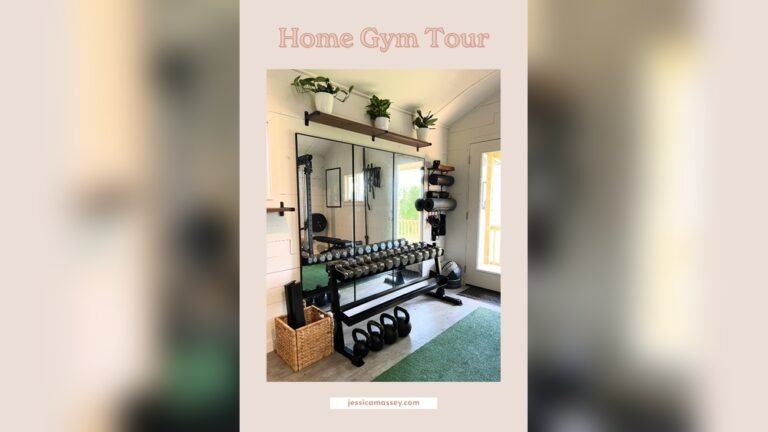
Mike is a powerlifter. He bought a full power rack, barbell, plates, and bench. He trains heavy squats, bench presses, and deadlifts. He says the rack is “essential” for safety and progress.
Example 2: Small Apartment
Sara lives in a studio. She uses adjustable dumbbells, a bench, and resistance bands. She does presses, rows, lunges, and cardio. She skipped the power rack due to space.
Example 3: Family Fitness
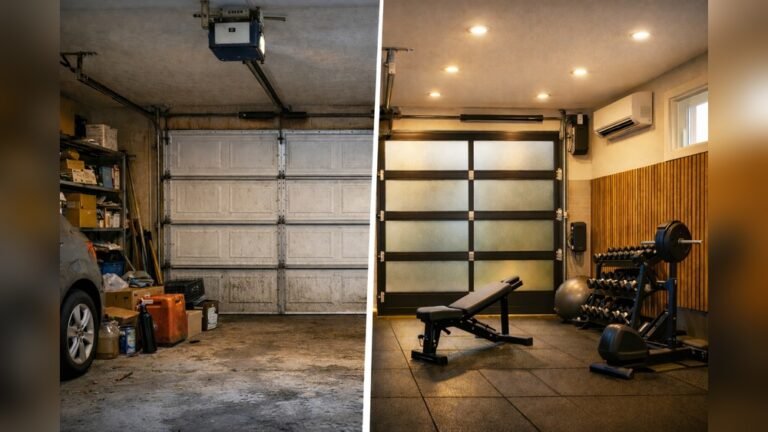
The Lee family built a garage gym. They chose a half rack, bench, barbell, and plates. The rack fits their space and lets adults and teens train safely.
Deciding Factors: How To Choose
Here’s a step-by-step guide to help you decide:
1. Define Your Goals
Are you aiming for strength, muscle, fitness, or weight loss? If you want big lifts (squat, bench, deadlift), a power rack is useful.
2. Measure Your Space
Check your room size and ceiling height. Will a rack fit? Is there space for barbell, plates, bench, and movement?
3. Set Your Budget
List all costs: rack, barbell, plates, bench, flooring. Can you afford $800–$2,000? If not, look at alternatives.
4. Consider Safety
Will you train alone? Do you plan to lift heavy? If yes, safety bars are important.
5. Research Brands And Models
Look for racks with strong steel, good reviews, adjustable safeties, and high weight capacity. Popular brands include Rogue, Rep Fitness, Titan Fitness, and Sorinex.
6. Think About Expansion
Will you add more equipment later? Choose a rack with room for accessories.
7. Check Assembly And Delivery
Can you assemble the rack yourself? Is delivery included? Some racks need professional installation.
Credit: www.aosom.com
Data: Power Rack Popularity
According to a 2026 survey by Garage Gym Reviews, 47% of home gym owners use a power rack or squat rack. The most popular reason: safety for heavy lifting. Another 38% use dumbbells and bench only, mostly due to space or budget.
Common Myths About Power Racks
Let’s clear up some misunderstandings.
Myth 1: “you Can’t Build Muscle Without A Power Rack”
False. You can build muscle with dumbbells, bands, or bodyweight. But a rack lets you use heavier weights and more exercises.
Myth 2: “all Power Racks Are Expensive”
Not true. Basic racks start at $300. Used racks can be cheaper. Quality matters more than price.
Myth 3: “power Racks Are Only For Men”
Wrong. Many women use racks for strength, fitness, and confidence. The exercises are for everyone.
Myth 4: “power Racks Take Up Too Much Space”
Some racks are compact or wall-mounted. Measure your space first.
How To Set Up A Power Rack
If you buy a power rack, follow these tips:
- Choose a flat, solid floor (concrete is best)
- Assemble the rack according to instructions
- Anchor it to the floor or wall if possible
- Add rubber flooring to protect your floor and equipment
- Position your bench and barbell inside the rack
- Adjust safety bars for each exercise
- Keep plates and accessories organized
Example: Garage Gym Setup
A typical garage gym uses a 7×7-foot area. The rack is placed against the wall, with plates and bench nearby. Rubber mats protect the floor. This setup lets you train squats, bench, deadlifts, pull-ups.
Maintenance And Longevity
Power racks last many years if cared for.
- Check bolts and nuts monthly
- Clean steel with a dry cloth
- Avoid rust by keeping the rack dry
- Lubricate moving parts if needed
- Inspect safety bars for wear
A well-maintained rack can last 10–20 years.
Environmental And Lifestyle Impact
Having a power rack at home changes your routine.
- Save time—no driving to gyms
- Train anytime, even late or early
- Set your own music and pace
- Family or friends can join
Some people find home training more consistent. Others miss gym social life.
Power Rack Features: What Matters
When choosing a rack, look for:
- Steel gauge: Thicker steel is stronger (11–12 gauge is good)
- Weight capacity: Should support at least 500 lbs (more for heavy lifters)
- Hole spacing: Smaller holes (1-inch) allow better adjustment
- Pull-up bar: Useful for upper body
- Accessories: Dip handles, band pegs, plate storage
Here’s a feature comparison:
| Feature | Importance | Notes |
|---|---|---|
| Steel Thickness | High | 11-gauge is strong |
| Safety Bars | High | Must be adjustable |
| Pull-Up Bar | Medium | Adds versatility |
| Accessories | Medium | Dips, bands, storage |
| Hole Spacing | Medium | 1-inch is best |
Credit: ctxhomegyms.com
Two Non-obvious Insights
1. Power Racks Improve Lifting Technique
Setting safeties at correct heights teaches you proper form. If you drop the bar, you learn where your limits are. This helps you progress faster, with fewer injuries.
2. Used Power Racks Are A Smart Investment
Many people sell racks online (Craigslist, Facebook Marketplace). Used racks cost less and are still strong. Check for rust, missing parts, and stability. Buying used can save 30–50%.
Making Your Home Gym Decision
So, do you really need a power rack for your home gym? Let’s summarize:
- If you want to lift heavy, train alone, and do compound barbell exercises, a power rack is very useful.
- If you prefer dumbbells, bodyweight, or light training, you can skip the rack.
- Space and budget are big factors. Measure your room and list costs before buying.
- There are good alternatives—dumbbells, squat stands, wall-mounted racks, resistance bands.
Your home gym should fit your goals, space, and lifestyle. Don’t feel pressured by social media or fitness trends. The best gym is the one you’ll use regularly.
Frequently Asked Questions
Is A Power Rack Safe For Beginners?
Yes, a power rack is safe for beginners if you set the safety bars correctly. It helps you lift heavy weights without a spotter. Always start with light weights and learn proper form.
Can I Build Muscle Without A Power Rack?
Absolutely. You can build muscle with dumbbells, resistance bands, bodyweight exercises, and machines. A power rack just lets you use heavier weights and more compound lifts.
How Much Space Do I Need For A Power Rack?
A full power rack needs about 7×7 feet of space and at least 7 feet of ceiling height. Half racks and squat stands need less space. Measure your room before buying.
Are Power Racks Expensive?
Power racks range from $300 to $1,500. You also need to buy a barbell, plates, and bench. Used racks are cheaper. Quality is important for safety.
Where Can I Find More Information About Power Racks?
For detailed reviews, specs, and comparisons, check Garage Gym Reviews. They cover different models and brands.

Final Thoughts
A power rack is a powerful tool for building strength and muscle safely at home. It’s not required for everyone, but it’s highly recommended for people who want to lift heavy, train alone, or do barbell exercises. Consider your goals, space, and budget carefully.
Use this guide to make the best decision for your fitness journey.
Your home gym should support your lifestyle and keep you motivated. Whether you choose a power rack or another setup, focus on consistency, safety, and progress. The best gym is the one you use—and enjoy.