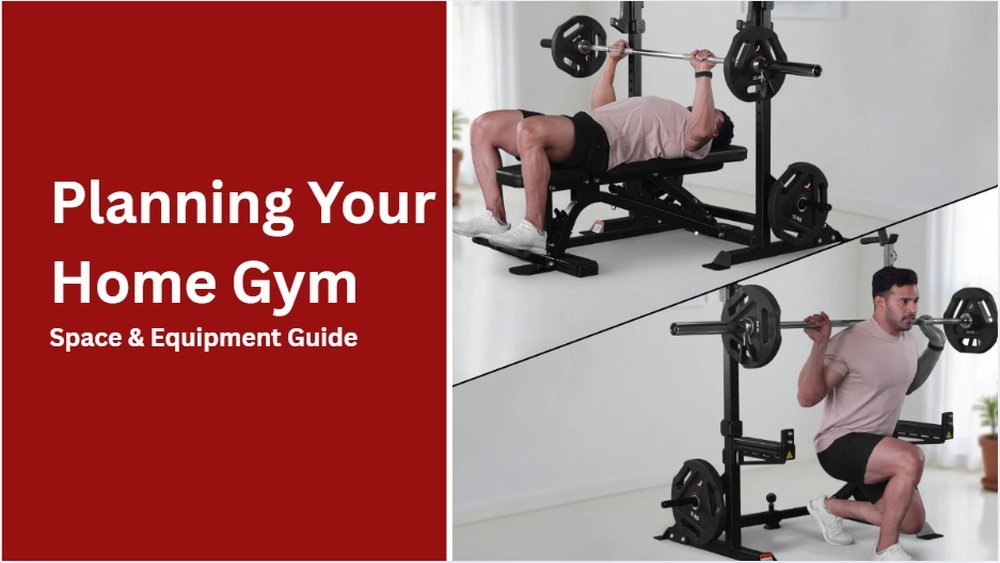
How Much Space Do You Need for a Home Gym? A Room-By-Room Guide
How Much Space Do You Need for a Home Gym? A Room-By-Room Guide
Building a home gym sounds exciting. The idea of working out on your schedule, with your music, and without waiting for equipment is hard to resist. But before you start buying dumbbells or ordering a treadmill, one big question stands out: How much space do you really need for a home gym? The answer depends on your goals, your chosen equipment, and the room you want to use. Creating an efficient home gym is not only about filling a space with machines. It’s about planning each detail so you can move safely and stay motivated.
Whether you have a spare bedroom, a corner in your garage, or only a section of your living room, this guide breaks down exactly how much space you’ll need for a home gym—room by room. You’ll also learn practical tips to avoid common mistakes, smart ways to maximize small spaces, and how to pick the right equipment for your home.
Let’s explore what it takes to build a home gym that fits your home, your life, and your fitness dreams.
Key Factors That Affect Home Gym Space
Before looking at individual rooms, it’s important to understand the main factors that influence how much space your home gym needs. These will guide your decisions and help you avoid wasted money or cramped setups.
1. Type Of Workouts
Every workout style demands a different amount of space. If you love yoga or bodyweight exercises, you won’t need as much room as someone who wants to install a full power rack or a rowing machine. Consider if you’ll do:
- Strength training (free weights, machines, power racks)
- Cardio (treadmill, stationary bike, elliptical)
- HIIT or circuit training
- Flexibility and recovery (yoga, stretching, foam rolling)
- Mixed routines
2. Equipment Size And Variety
Some equipment is compact, while others dominate a room. For example, a folding treadmill can slide away, but a full multi-gym station might need a dedicated space. Plan for both the equipment footprint and the space to move around it.
3. Room Layout And Ceiling Height
A room’s shape, ceiling height, and features like windows, doors, and built-in storage will change your options. Low ceilings can limit overhead exercises or use of jump ropes. Odd corners or slanted ceilings may restrict where you put larger machines.
4. Storage Solutions
Smart storage can save a surprising amount of space. Wall-mounted racks, under-bed bins, or vertical shelving keep gear organized and the floor clear for exercise.
5. Safety And Comfort
Leave enough room for movement, stretching, and safe lifting. Overcrowding increases injury risk and reduces motivation. Good airflow, natural light, and safe flooring make workouts more enjoyable.
Space Requirements For Popular Home Gym Equipment
Understanding the footprint of common gym equipment is essential before planning your room. The table below gives average dimensions for popular home gym items.

| Equipment | Average Footprint (L x W x H in feet) | Clearance Needed |
|---|---|---|
| Treadmill | 6.5 x 3 x 5 | 2 ft on sides, 6 ft behind |
| Stationary Bike | 4 x 2 x 4 | 1 ft around |
| Rowing Machine | 8 x 2 x 2 | 2 ft on sides |
| Power Rack | 4 x 4 x 7 | 3 ft in front, 1 ft sides |
| Adjustable Bench | 4.5 x 2 x 1.5 | 2 ft around |
| Yoga Mat | 6 x 2 x 0.5 | 1 ft around |
| Elliptical | 6 x 2.5 x 5.5 | 2 ft behind |
| Multi-Gym Machine | 7 x 6 x 7 | 3 ft around |
Non-obvious insight: Always consider not just the size of the equipment, but also how you’ll use it. For example, a treadmill needs space behind for safety in case you lose balance, and a power rack needs room for loading plates.
Room-by-room Home Gym Space Guide
Let’s look at the most common rooms people use for a home gym, what’s possible in each, and how much space you really need.
Garage Home Gym
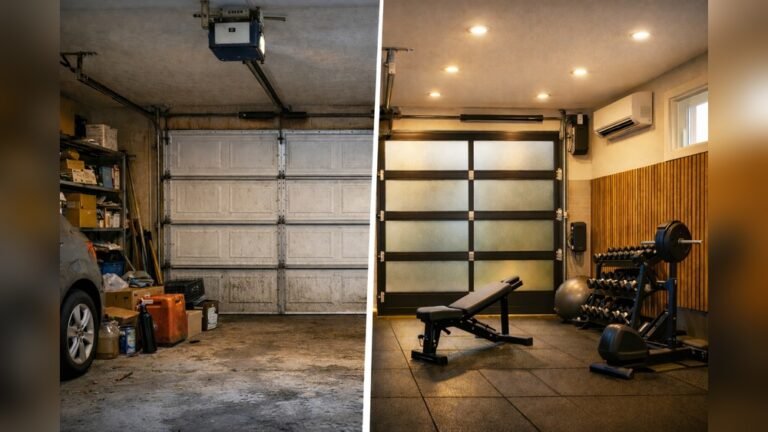
Garages are popular for home gyms because they’re usually spacious, out of the way, and can handle heavy weights.
Space Needed
- Minimum: 100 sq ft (10 x 10 ft) for a basic setup
- Ideal: 200–400 sq ft for full setups including racks and machines
What Fits
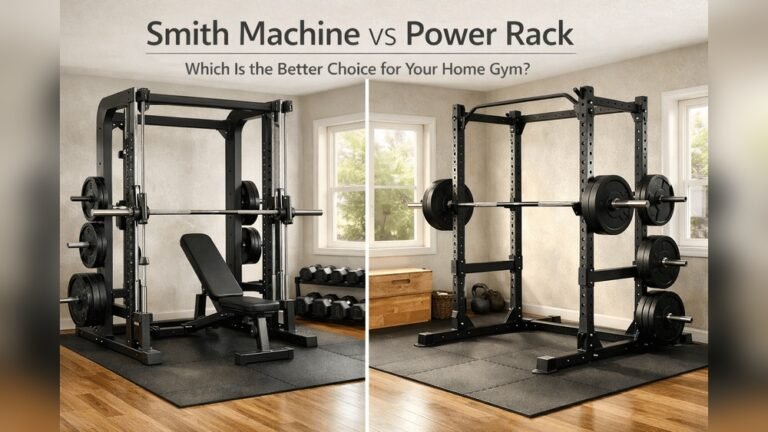
- Power rack with barbell and weights
- Treadmill or rowing machine
- Adjustable bench
- Dumbbell rack
- Storage for accessories
Tips For Garage Gyms
- Use rubber mats to protect the floor and reduce noise.
- Check ceiling height—many garages have 8–10 ft, enough for pull-ups and overhead presses.
- Watch out for temperature extremes; insulation or a fan/heater may be needed.
- Use wall-mounted racks to maximize floor space.
Common mistake: People often forget about the garage door track, which can block overhead exercises if not planned for.
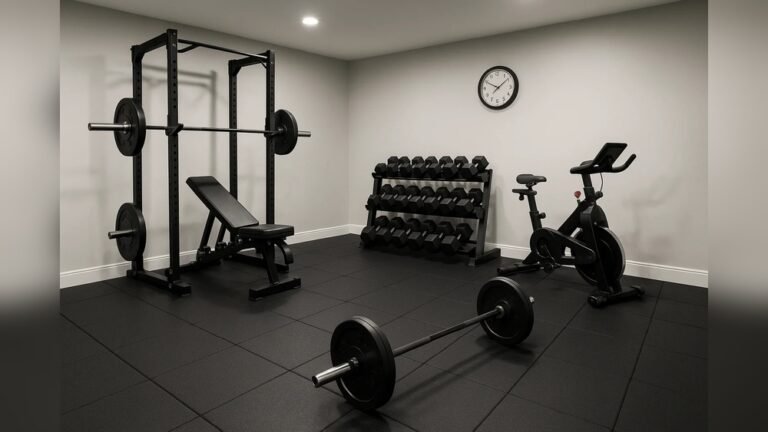
Basement Home Gym
Basements offer privacy and can be customized for serious workouts, but they have unique challenges.
Space Needed
- Minimum: 80 sq ft (8 x 10 ft) for basic routines
- Ideal: 150–300 sq ft for a variety of equipment
What Fits
- Cardio machines (treadmill, bike)
- Free weights and benches
- Resistance bands
- Mirror wall for form checks
Tips For Basement Gyms
- Measure ceiling height—some basements are lower than 8 ft, which limits some lifts.
- Add extra lighting and dehumidifiers for comfort.
- Consider ventilation, especially if you’ll do high-intensity workouts.
Non-obvious insight: Low ceilings can make jumping or kettlebell swings unsafe. Measure before buying equipment.
Spare Bedroom Home Gym
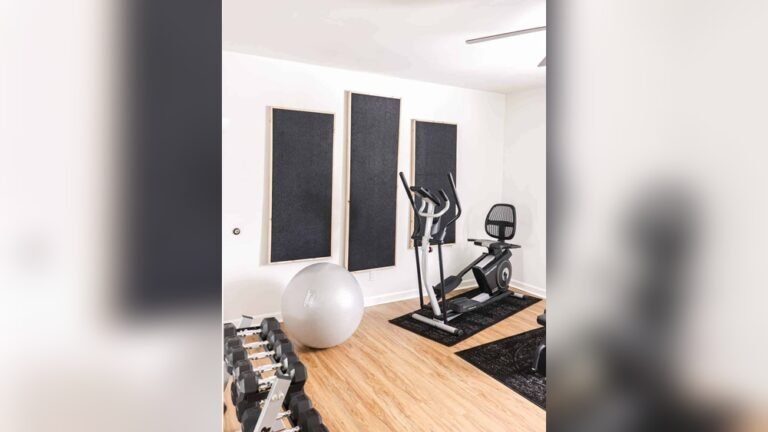
A spare bedroom is a common choice for a compact home gym, perfect for people who want to keep their equipment out of sight.
Space Needed
- Minimum: 70 sq ft (7 x 10 ft) for a simple setup
- Ideal: 120–180 sq ft for more variety
What Fits
- Foldable treadmill or bike
- Adjustable bench
- Dumbbells, kettlebells
- Resistance bands
- Yoga mat
Tips For Bedroom Gyms
- Choose quiet equipment if neighbors or family are nearby.
- Use mirrors on doors to create a sense of space.
- Store equipment in closets or under the bed.
Common mistake: Overloading small bedrooms with too many machines. Focus on versatile items.
Living Room Or Multi-use Space Gym
Not everyone has a spare room. Many people use part of their living room or an open area.
Space Needed
- Minimum: 20–40 sq ft for a yoga mat and resistance bands
- Ideal: 60–100 sq ft for a foldable treadmill and small weights
What Fits
- Yoga mat
- Adjustable dumbbells
- Foldable cardio machines
- Compact storage solutions
Tips For Shared Spaces
- Pick equipment that folds or rolls away when not in use.
- Use stylish baskets or cabinets to hide gear.
- Try wall-mounted pull-up bars for minimal impact.
Non-obvious insight: Training in a visible space can help you stay consistent, but clutter can kill motivation.

Attic Home Gym
Using an attic for a home gym is rare but possible with careful planning.
Space Needed
- Minimum: 60 sq ft, depending on ceiling angles
- Ideal: 100–150 sq ft with 7+ ft ceiling at center
What Fits
- Yoga and Pilates gear
- Light dumbbells
- Cardio stepper or compact bike
Tips For Attic Gyms
- Watch for low beams—no jumping exercises or overhead presses.
- Check floor strength before adding weights.
- Keep equipment light and portable.
Common mistake: Ignoring ventilation—attics can get hot and stuffy.
Outdoor Or Patio Home Gym
If the climate allows, an outdoor gym can be refreshing and flexible.
Space Needed
- Minimum: 30 sq ft for bodyweight workouts
- Ideal: 80–150 sq ft for racks and cardio
What Fits
- Pull-up bar
- Battle ropes
- Kettlebells
- Portable bench
Tips For Outdoor Gyms
- Use weatherproof equipment or protective covers.
- Bring gear indoors after use to prevent rust.
- Consider privacy screens or shade.
Non-obvious insight: Outdoor gyms can boost mood and vitamin D, but weather can limit use.
Sample Home Gym Layouts (by Room Size)
To make planning easier, here are sample layouts for common room sizes:
Small Home Gym (under 80 Sq Ft)
Best For: Apartments, Bedrooms, Or Corners Of Larger Rooms
| Equipment | Typical Placement |
|---|---|
| Yoga mat | Center of room |
| Adjustable dumbbells | Under table or shelf |
| Foldable treadmill | Against wall (folded) |
| Resistance bands | Hanging hooks |
Medium Home Gym (100–200 Sq Ft)
Best For: Garages, Basements, Or Spare Rooms
- Power rack in corner
- Treadmill or rower along long wall
- Adjustable bench and dumbbell rack near power rack
- Open space for stretching
Large Home Gym (250+ Sq Ft)
Best For: Full Garage, Finished Basement, Or Large Outbuilding
- Multi-gym machine as centerpiece
- Cardio zone (treadmill, bike, elliptical) along one wall
- Free weights and benches on opposite wall
- Functional training area with mats and accessories
Non-obvious insight: Leave at least 3 feet of clear space between equipment for safety and comfort.
How To Measure And Plan Your Home Gym Space
Planning your home gym is more than guessing if your treadmill will fit. Here’s a step-by-step method to avoid surprises:
- Measure the room: Use a tape measure to get length, width, and ceiling height.
- Draw a simple floor plan: Even a hand sketch helps. Mark doors, windows, and outlets.
- List your top exercises: Decide if you’ll prioritize cardio, weights, or flexibility.
- Check equipment sizes: Use manufacturer specs, not just online photos.
- Map out equipment footprints: Mark these on your plan, leaving extra space for movement.
- Test the space: Lay out towels or boxes in the shapes of your future equipment to see how much room is left.
- Plan storage: Will you need racks, bins, or wall hooks? Where will they go?
- Consider future upgrades: Leave a bit of empty space if you may add gear later.
Common mistake: Not factoring in space for warm-up, cool-down, and stretching. You need at least 5–6 feet of open floor for these.
Smart Storage Solutions For Home Gyms
A cluttered gym is an unused gym. Even in small spaces, smart storage keeps your workout area safe and inviting.
- Wall-mounted racks: Store barbells, mats, or resistance bands off the floor.
- Vertical dumbbell stands: Save floor space compared to long racks.
- Under-bench storage: Slide baskets with small items under benches or tables.
- Foldable or stackable equipment: Choose gear that packs away neatly.
- Pegboards and hooks: Hang jump ropes, bands, or towels.
Pro tip: Label storage spots so everything has a place, especially if you share the space with family.
Flooring And Ceiling Considerations
Good flooring isn’t just about looks—it protects your equipment, your joints, and your real floor.
- Rubber tiles or rolls: Offer cushioning and grip; easy to install and clean.
- Foam mats: Great for yoga or bodyweight, but not for heavy weights.
- Commercial gym tiles: Costly but best for heavy lifters.
- Carpet: Soft but can hide dust, not ideal for sweating or weights.
Ceiling height matters for:
- Overhead presses (need at least 7–8 ft)
- Pull-ups (bar must be above head height)
- Jumping (plyometrics need extra clearance)
Non-obvious insight: Some basements or attics have pipes or ducts that reduce effective height—check all areas, not just the center.
Lighting, Ventilation, And Comfort
A home gym should feel energizing, not gloomy or stuffy.
- Natural light: If possible, set up near windows for a boost in mood and visibility.
- LED ceiling lights: Bright, energy efficient, and less heat than old bulbs.
- Fans or portable AC: Keep air moving, especially in garages or basements.
- Mirrors: Make small spaces feel bigger and help with form checks.
Pro tip: Add a Bluetooth speaker or TV for music and workout videos, but keep cords out of walkways.

Comparing Home Gym Spaces: Room Types At A Glance
To help you compare, here’s a quick overview of typical room sizes and what you can fit:
| Room Type | Typical Size (sq ft) | Best For | Limitations |
|---|---|---|---|
| Garage | 200–400 | Full gym setups, heavy weights | Temperature, dust, ceiling tracks |
| Basement | 120–300 | Cardio, weights, privacy | Low ceilings, dampness |
| Bedroom | 70–180 | Compact, quiet routines | Noise, limited space |
| Living Room | 20–100 | Minimalist, shared use | Clutter, distractions |
| Attic | 60–150 | Yoga, Pilates | Low ceiling, heat |
| Outdoor | Variable | Bodyweight, functional fitness | Weather, privacy |
How To Maximize Small Home Gym Spaces
You don’t need a giant room to get strong or fit. With the right choices, even a small area can become an effective gym.
1. Choose Multi-use Equipment
- Adjustable dumbbells replace racks of fixed weights.
- Resistance bands offer dozens of exercises in little space.
- Foldable benches and treadmills can be stored upright.
2. Prioritize Open Floor
Leave a clear area for movements like burpees, planks, or stretching. Don’t crowd every corner.
3. Go Vertical
Install shelves, hooks, or racks to use wall space.
4. Use Mirrors
Mirrors reflect light and create a feeling of more room.
5. Keep It Tidy
Return equipment after use. Clutter makes small spaces feel even tighter.
Non-obvious insight: Even in a studio apartment, you can have a full-body workout area with just a mat, adjustable weights, and a pull-up bar.
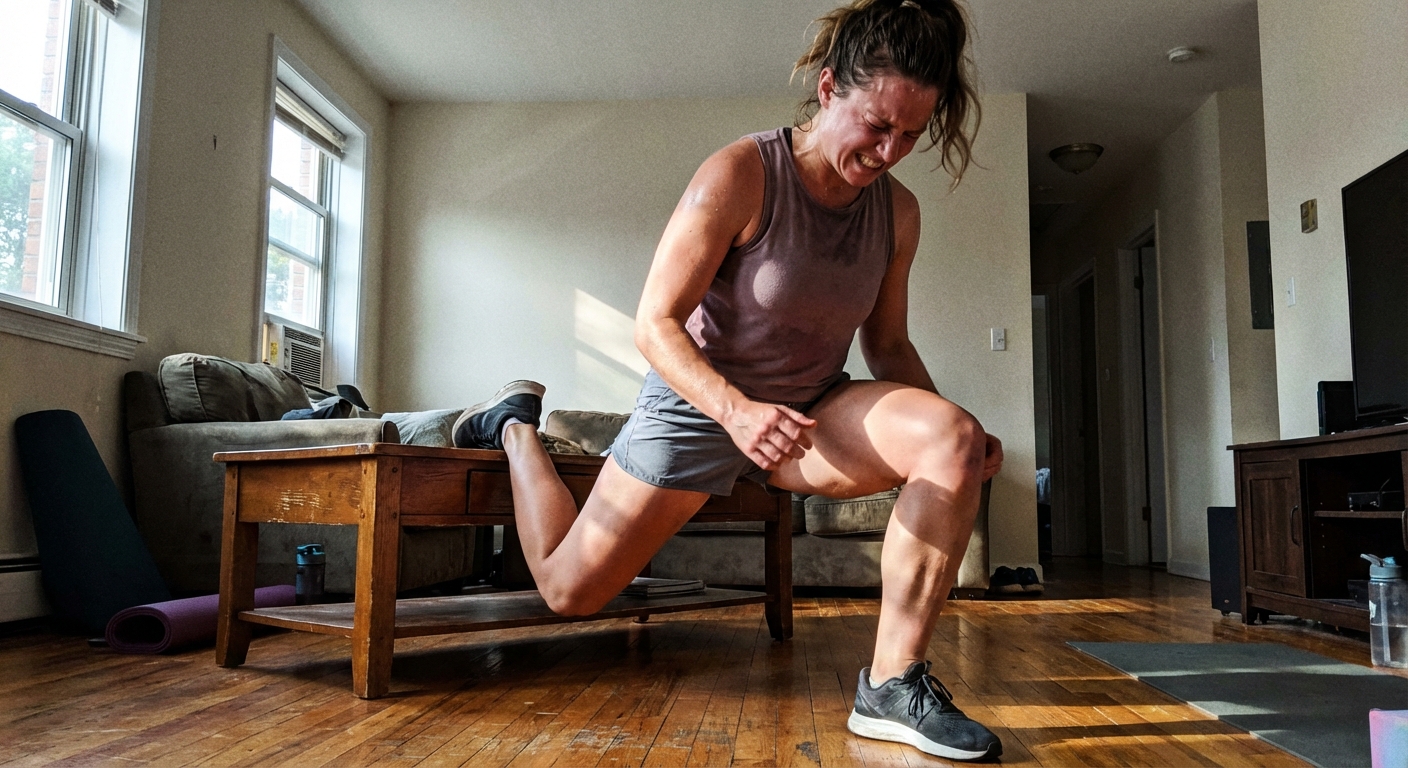
Credit: centr.com
Common Mistakes When Planning A Home Gym
Even experienced lifters can make errors when building a home gym. Here’s what to avoid:
- Ignoring total space needs: Only measuring equipment, not the room for movement.
- Buying too much gear: Start with basics and add as you go.
- Overlooking ceiling height: Especially important for overhead lifts or jump training.
- Skipping storage: Equipment on the floor is a tripping hazard.
- Poor lighting and airflow: Makes you less likely to use the space.
Pro tip: Test your layout with boxes or tape outlines before buying expensive equipment.
How Much Does A Home Gym Impact Your Home Value?
A well-designed home gym can add value, especially if it’s in a finished basement or garage. However, a crowded or messy gym can do the opposite. If you plan to sell your home, choose removable equipment and avoid permanent changes like pulling out closets or installing heavy machines in bedrooms.
According to the National Association of Home Builders, flexible spaces like home gyms are increasingly attractive to buyers, but only if the space is clean and not over-customized.
For more on home value and fitness spaces, see this NAR article.
.jpg&w=3840&q=75)
Credit: www.nordictrack.com
How To Future-proof Your Home Gym
Think about how your fitness needs might change over time:
- Kids or partners may want to join your workouts.
- You might try new routines (yoga, HIIT, strength).
- Equipment upgrades could require more space.
Leave at least one clear wall or corner for future expansion. Modular gear (like racks with add-ons) is a smart investment.
Special Situations: Home Gyms For Renters
If you rent, you may not be allowed to bolt racks into walls or floors. Focus on:
- Freestanding gear
- Foldable or portable machines
- Rubber mats to protect floors
- Easy-to-remove wall hooks (with removable strips)
Always check your lease before making permanent changes.
Home Gym For Families
If your gym will be shared with kids or other adults:
- Choose safe, stable equipment.
- Keep heavy items out of reach of children.
- Store small items (bands, balls) in closed bins.
- Set clear rules for use and clean-up.
Real-world Examples: What Fits In Popular Room Sizes?
Let’s look at some practical, real-life setups:
Example 1: 10 X 10 Ft Room (100 Sq Ft)
- One folding treadmill
- Adjustable bench
- Dumbbells (5–50 lbs) on a vertical rack
- Resistance bands on wall hooks
- Open space for mat work
Example 2: 12 X 15 Ft Garage Bay (180 Sq Ft)
- Power rack and barbell set
- Flat bench
- Plate storage tree
- Stationary bike
- Foam roller and stretching area
Example 3: 8 X 8 Ft Corner (64 Sq Ft)
- Yoga mat
- Adjustable dumbbells (under table)
- Resistance bands (drawer or shelf)
- Foldable stepper
Non-obvious insight: If you’re tight on space, focus on compound exercises (like squats, push-ups, rows) that use multiple muscle groups.
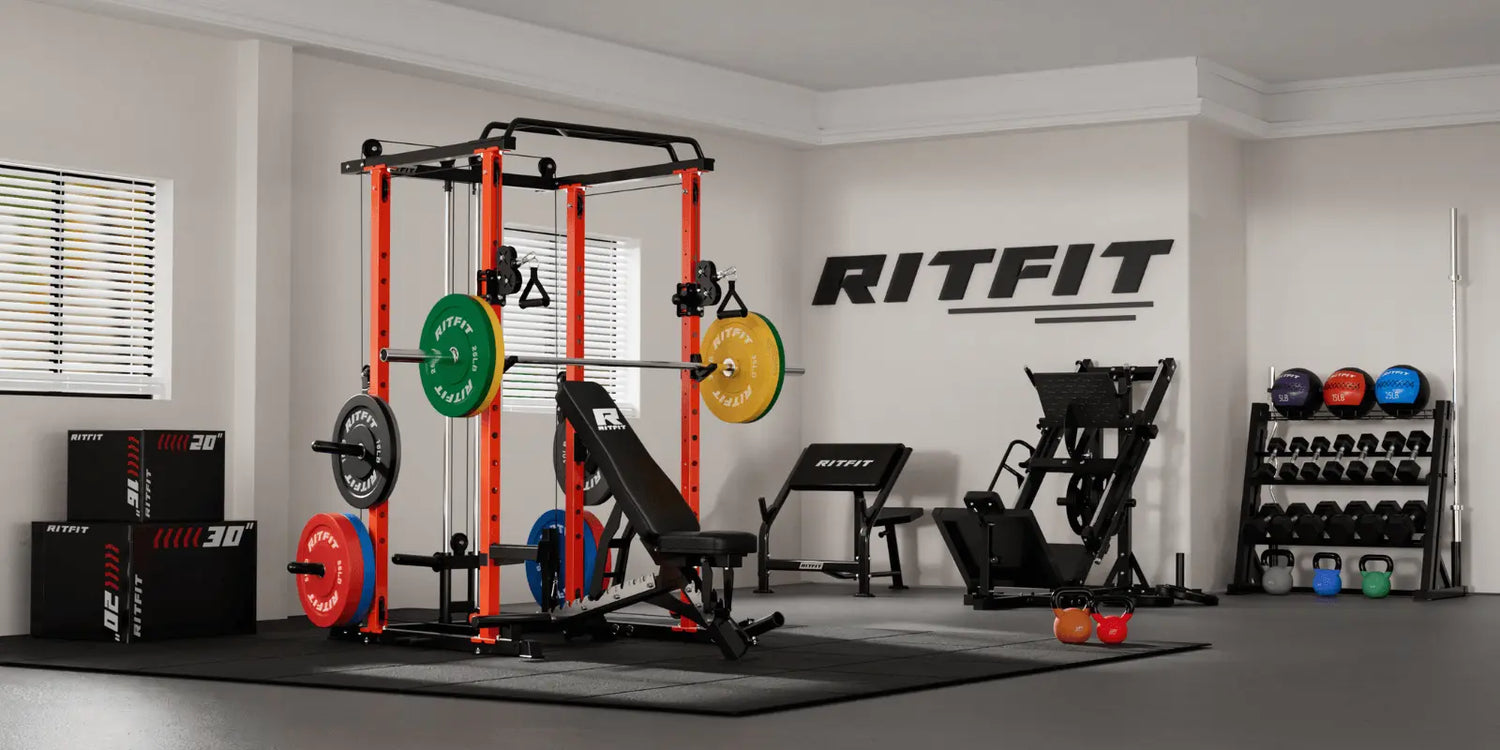
Credit: www.ritfitsports.com
Final Tips For Building Your Ideal Home Gym
- Start with your fitness goals and budget, not just the room size.
- Try to visit a local gym to test equipment before buying for home.
- Read equipment reviews for noise, size, and durability.
- Talk with family or roommates before claiming shared spaces.
- Remember: Even a small, well-planned gym is better than an unused big one.
Building your home gym is about making fitness a natural part of your life. With careful planning, even the smallest space can help you get stronger, healthier, and happier.
Frequently Asked Questions
How Much Space Do I Need For A Basic Home Gym?
You need at least 40–60 square feet for a basic setup (yoga mat, adjustable weights, resistance bands). For more variety or machines, plan for 100–200 square feet.
Can I Fit A Full Gym In My Garage?
Yes, most single garages (about 200 sq ft) can fit a power rack, bench, free weights, and one cardio machine. Double garages (400 sq ft) can handle more, but leave space for cars or storage.
What’s The Best Flooring For A Home Gym?
Rubber tiles are the best balance of durability, comfort, and price. Foam mats work for yoga or stretching but aren’t great for heavy weights.
Is Ceiling Height Important In A Home Gym?
Absolutely. You need at least 7 feet for overhead presses and pull-ups. Basements or attics with low ceilings may limit some exercises.
How Can I Make A Home Gym In A Small Apartment?
Focus on multi-use equipment like adjustable dumbbells, resistance bands, and a folding mat. Store gear in closets or under furniture, and use wall hooks to save space.
—
A well-planned home gym is about more than just square footage. With the right choices, any room can become your personal fitness center—no matter its size.