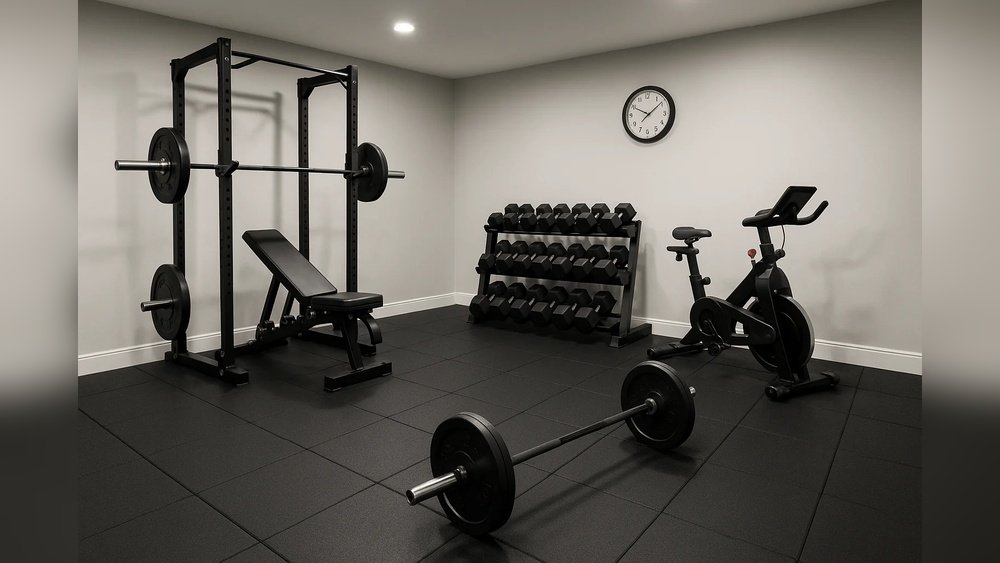
Best Home Gym Flooring Options for Weights
Building a home gym is a dream for many fitness lovers. But before you move in your weights and machines, there’s something important you should think about: the flooring. Good gym flooring does more than just look nice. It protects your floor, your equipment, and your body. The wrong choice can lead to cracked tiles, scratched wood, or even injuries. With so many options out there, it can be hard to know which flooring is best for lifting weights at home. This guide will break it all down for you, making your decision simple and clear.
You might be surprised how much your floor choice matters for safety, noise, and comfort. Not all gym floors are equal—some absorb drops better, others reduce noise, and some make cleaning much easier. If you plan to use dumbbells, barbells, or heavy machines, your floor needs to be strong and reliable. Let’s explore the best home gym flooring options for weights, their pros and cons, and how to choose what fits your space and budget.

Why Home Gym Flooring Matters For Weights
Many homeowners overlook the importance of good gym flooring. Standard home floors, like hardwood, carpet, or tile, are not designed to handle heavy weights or high impacts. Dropping a dumbbell can crack tiles, dent wood, or even break concrete. Beyond damage, the right floor protects your body by reducing joint strain and lowering the risk of slips.
Here are key reasons gym flooring matters:
- Protects your subfloor – Prevents cracks, dents, and scratches from weights or equipment.
- Reduces noise and vibrations – Makes workouts quieter and keeps neighbors happy.
- Improves safety – Offers better grip and cushioning, lowering the risk of slips or injuries.
- Easier to clean – Sweat, chalk, and dirt are easier to wipe off gym flooring than carpet.
- Longevity – Good flooring can last for years, even with heavy use.
A common mistake is using the cheapest mat or skipping gym flooring altogether. This often leads to costly repairs and a less enjoyable workout space. Investing in the right floor can actually save money over time.
Key Factors To Consider Before Choosing Gym Flooring
Before you look at specific materials, it’s smart to understand what makes gym flooring suitable for weights:
1. Impact Absorption
Weightlifting involves dropping or setting down heavy objects. Good flooring absorbs these shocks, preventing damage to your floor and reducing the risk of bouncing weights.
2. Durability
Look for materials that can withstand repeated impacts, dragging equipment, and heavy foot traffic. Cheap foam mats, for example, wear out quickly under weights.
3. Thickness
Thicker flooring (at least 3/8 inch or 10 mm) offers better protection. But too thick can make equipment unstable. The sweet spot is usually 1/2 inch (12 mm) for most home gyms.
4. Grip And Slip Resistance
A smooth floor may look nice but can be dangerous if it gets wet or dusty. Textured or rubberized surfaces give you better traction.
5. Noise And Vibration Reduction
Dropping weights on concrete or tile can be loud. Good flooring absorbs sound, making your workouts friendlier for everyone in the house.
6. Water And Sweat Resistance
Gyms get sweaty. Flooring that resists water and is easy to clean makes maintenance much simpler.
7. Installation And Maintenance
Some floors are easy to lay down yourself, while others need a pro. Consider how much effort you want to spend installing and cleaning your gym floor.
8. Cost
High-quality flooring can be expensive, but it’s usually worth it for protection and comfort. Cheap options often wear out fast or don’t protect well.
Top Home Gym Flooring Options For Weights
Let’s break down the most popular and effective flooring options for weightlifting at home. Each has unique strengths, weaknesses, and best uses.
1. Rubber Flooring
Rubber is the gold standard for home gyms. It’s the flooring you see in most commercial gyms, and for good reason.
Types Of Rubber Gym Flooring
- Rubber rolls: Cover large spaces with few seams. Best for garages or basements.
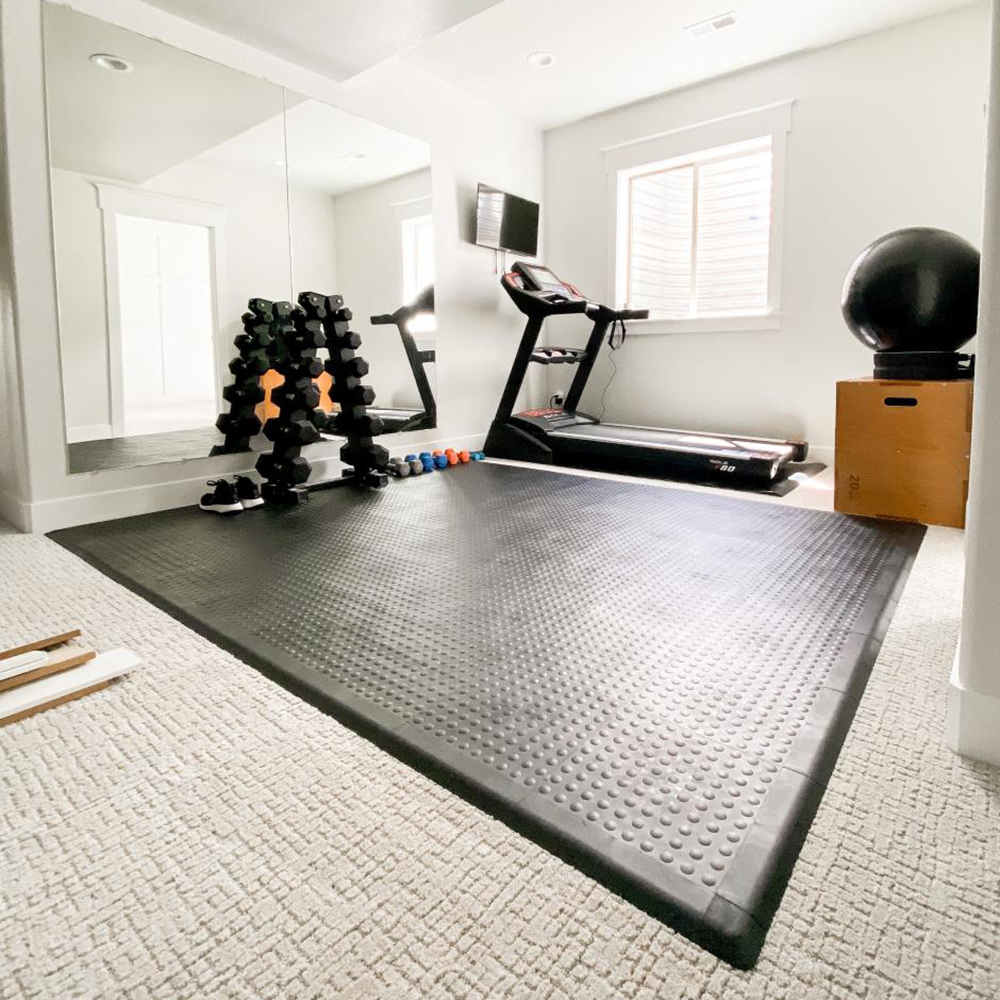
- Rubber tiles: Easy to install and replace. Come in squares, usually interlocking.
- Rubber mats: Great for small spaces or under specific equipment.
Pros
- Excellent impact absorption
- Long-lasting (can last 10+ years)
- Good grip, even when wet
- Reduces noise and vibration
- Easy to clean and maintain
Cons
- Heavy and can have a rubber smell at first
- More expensive than foam or carpet
- May need adhesive or double-sided tape for rolls
Who Should Use Rubber Flooring?
Anyone serious about lifting weights, especially if you have heavy free weights or plan to drop barbells. Also ideal for multi-use spaces.
Example
A 4’ x 6’ rubber mat, 3/4 inch thick, can easily protect your floor from 300 lb deadlifts.

2. Foam Mats
Foam mats are common in home gyms because they’re cheap and easy to install. They work well for bodyweight exercises and light weights, but they’re not made for heavy lifting.
Pros
- Very affordable
- Soft, good for stretching or yoga
- Lightweight and easy to move
Cons
- Not durable for heavy weights
- Can compress and tear easily
- May be slippery when wet
Who Should Use Foam Mats?
Best for bodyweight training, Pilates, or areas where weights are light. Not recommended for dropping dumbbells or barbells.
Example
Interlocking foam tiles are often seen in kids’ playrooms and light fitness spaces.
3. Eva Foam Tiles
EVA (ethylene-vinyl acetate) foam is a step up from basic foam mats. It’s slightly denser, offering more cushion and some shock absorption.
Pros
- Softer underfoot than rubber
- Lightweight and easy to cut/fit
- Non-toxic, some are anti-microbial
Cons
- Still not ideal for heavy weights
- Prone to punctures from sharp objects
- Can warp if exposed to sunlight
Who Should Use Eva Foam Tiles?
Great for multipurpose gyms where comfort matters more than maximum weight protection. Avoid for heavy deadlifts or heavy dumbbell work.
4. Carpet Tiles
Some people use carpet tiles for home gyms, especially when converting a bedroom or living room.
Pros
- Comfortable and warm
- Easy to install and replace
- Can reduce noise
Cons
- Not water-resistant—can hold sweat and odors
- Hard to clean if you spill drinks or protein shakes
- Limited protection against heavy weights
Who Should Use Carpet Tiles?
Light fitness areas, stretching, or cardio zones. Not recommended for heavy lifting.
5. Vinyl Flooring
Vinyl is a tough, water-resistant surface that’s easy to clean. It’s found in many commercial gyms under cardio equipment.
Pros
- Water and sweat resistant
- Easy to clean spills
- Available in many designs
Cons
- Not as soft as rubber
- Can dent if heavy weights are dropped repeatedly
- May need a sub-layer for shock absorption
Who Should Use Vinyl Flooring?
Cardio, machines, or lighter weight work. If you want a stylish look and easy cleaning, vinyl is a good choice.
6. Carpet Rolls
Some gyms use commercial-grade carpet rolls. These are tougher than home carpet but still not ideal for heavy weights.
Pros
- Soft and comfortable
- Reduces noise
- Warmer for cold basements or garages
Cons
- Not water or sweat proof
- Harder to clean
- Can absorb odors
Who Should Use Carpet Rolls?
Multipurpose home gyms with light lifting and cardio. Not for heavy lifters.
7. Horse Stall Mats
Surprisingly, horse stall mats (found at farm supply stores) are one of the most popular choices for home gym owners on a budget. Made from thick, recycled rubber, they’re built to handle 1,000-pound animals—so they can handle your weights.
Pros
- Very durable and thick (usually 3/4 inch)
- Great shock absorption
- Much cheaper than commercial gym mats
- Large size covers space quickly
Cons
- Strong rubber smell at first
- Heavy and hard to cut
- May have uneven edges
Who Should Use Horse Stall Mats?
Anyone needing maximum protection at a lower price. Great for garage gyms and those dropping heavy weights.
Example
A standard 4’ x 6’ stall mat costs $40–$60, much less than gym-branded mats.
8. Pvc Flooring
PVC (polyvinyl chloride) is a tough plastic often used in industrial settings. Some brands make thick PVC tiles for gyms.
Pros
- Resists water, chemicals, and stains
- Good for heavy machines
- Interlocking tiles are easy to install
Cons
- Not as soft as rubber
- Can be slippery if wet
- More expensive than foam
Who Should Use Pvc Flooring?
If you have a multi-use space or want something chemical-resistant, PVC is a smart pick.
9. Wood Platform With Rubber Surround
Serious lifters often build a wood lifting platform, usually with thick rubber mats around the edges. This is common in Olympic and powerlifting gyms.
Pros
- Best surface for deadlifts and Olympic lifts
- Rubber edges protect against dropped weights
- Stable, firm base
Cons
- Requires building skills or buying a kit
- Takes up space
- More expensive and permanent
Who Should Use A Platform?
Powerlifters, Olympic lifters, or anyone training for competition. Not needed for casual training.
10. Turf
Artificial turf is popular for sled pushes, agility drills, and functional training.
Pros
- Great for sleds, jumping, sprinting
- Comfortable for floor work
- Drains water easily
Cons
- Not ideal for dropping heavy weights
- Needs a solid base underneath
- Higher cost
Who Should Use Turf?
If you want a space for sleds or conditioning, turf is a fun option. Not for heavy barbell work.
Comparing Home Gym Flooring Options
To help you compare, here’s a quick overview of how each flooring type stacks up for common needs:
| Flooring Type | Best For | Durability | Cost | Thickness Range |
|---|---|---|---|---|
| Rubber Rolls/Tiles | Heavy weights, all-around | High | $$–$$$ | 3/8″–3/4″ |
| Foam Mats | Light weights, stretching | Low | $ | 1/4″–1/2″ |
| Horse Stall Mats | Heavy weights, budget | High | $ | 3/4″ |
| Vinyl | Cardio, machines | Medium | $$ | 1/8″–1/4″ |
| Carpet Tiles | Light fitness | Low-Medium | $$ | 1/4″–1/2″ |
| PVC Tiles | Machines, multi-use | High | $$$ | 1/4″–1/2″ |
| Wood Platform | Olympic/powerlifting | High | $$$ | 1.5″+ rubber edge |
| Turf | Agility, conditioning | Medium | $$$ | 1/2″ |
How To Decide Which Gym Flooring Is Right For You
Choosing the best gym flooring depends on your workouts, budget, and space. Let’s look at the main questions to ask yourself.
What Types Of Exercises Will You Do Most?
- Heavy weightlifting: Go for thick rubber or stall mats.
- Bodyweight, yoga, or Pilates: Foam or carpet is fine.
- Cardio machines: Vinyl or PVC works well.
- Olympic lifts: Build a wood platform with rubber edges.
- Functional training: Add a turf strip.
What’s Your Budget?
- Under $100: Foam mats or a single stall mat.
- $100–$500: Rubber tiles/rolls for a small room.
- $500+: Full coverage with premium rubber, vinyl, or custom platforms.
Where Is Your Gym?
- Garage or basement: Thick rubber or stall mats—easy to install, great for concrete.
- Bedroom or living room: Carpet tiles, foam, or vinyl—focus on appearance.
- Outdoor: Rubber or PVC—resists weather better.
How Much Space Are You Covering?
- Small corner or under a rack: One or two large mats.
- Full room: Rolls, tiles, or carpet for seamless coverage.
Do You Need To Move Or Remove Flooring?
If you rent or may move soon, look for interlocking tiles or mats that are easy to pick up and re-use.
Non-obvious Tips For Choosing Gym Flooring
Most guides stop at basics, but here are two key insights many beginners miss:
- Mind the seams. Interlocking tiles are easy to install, but if you move heavy equipment, the seams can separate or curl up. For maximum stability, use large mats or rolls with fewer seams.
- Test for off-gassing. Cheap rubber and foam may smell strong for weeks or even months. This is called off-gassing, and it’s worse in small, poorly ventilated rooms. Always air out your flooring before installing, or look for low-VOC (volatile organic compound) certified products.
Also, don’t forget about the edges. If your flooring stops in the middle of the room, weights can roll off and hit the bare floor. Edge ramps or transition strips reduce tripping hazards and protect the rest of your floor.
Installation And Maintenance Tips
The ease of installation depends on the type of flooring:
- Interlocking tiles: Most people can install these with just a utility knife.
- Rubber rolls: Heavier and may need two people to lay flat. Secure with double-sided tape.
- Stall mats: Very heavy—get help moving them. They often don’t need adhesive because of their weight.
- Platforms: Requires basic carpentry skills if you build your own.
For all types, sweep or vacuum regularly to keep grit from scratching the surface. Mop with a mild cleaner—don’t use bleach on rubber or foam.
If you notice tears, dents, or curling, replace damaged sections quickly. This keeps your gym safe and looking good.
Cost Breakdown: What To Expect
Here’s a rough idea of what you’ll pay for each type of gym flooring:
| Flooring Type | Average Price per Sq Ft | Typical Size | Total Cost (100 sq ft room) |
|---|---|---|---|
| Rubber Roll | $2–$4 | 4′ x 10′ | $200–$400 |
| Rubber Tile | $3–$7 | 2′ x 2′ | $300–$700 |
| Stall Mat | $1.50–$2 | 4′ x 6′ | $150–$200 |
| Foam Tile | $1–$2 | 2′ x 2′ | $100–$200 |
| Vinyl | $2–$5 | Rolls | $200–$500 |
| PVC Tile | $4–$8 | 1′ x 1′ | $400–$800 |
| Turf | $3–$8 | Rolls | $300–$800 |
Prices vary by location, thickness, and quality. Always check reviews before buying—some cheap mats can crack or smell bad.
Credit: pollen-partner.de
Real-life Examples: Home Gym Flooring Setups
Garage Gym For Powerlifting
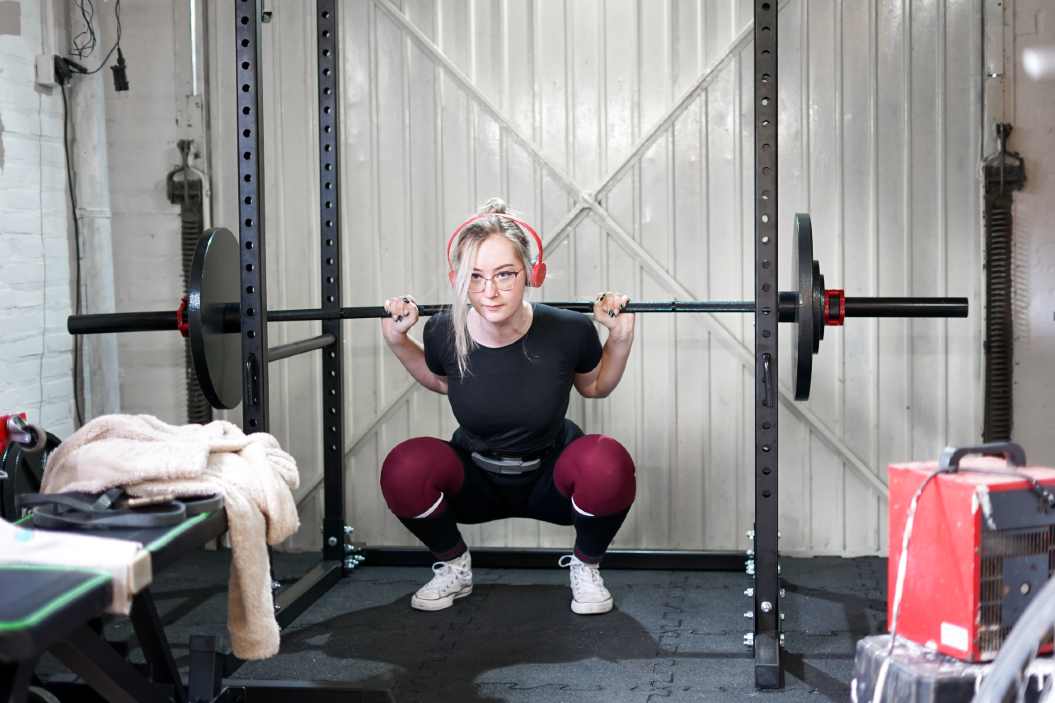
- Floor: Two 4’ x 6’ stall mats under the rack.
- Use: Barbell deadlifts up to 400 lbs.
- Result: No cracks, quiet drops, zero floor damage after 3 years.
Apartment Gym For Cardio And Light Weights
- Floor: 3/8” rubber tiles, covers entire spare bedroom.
- Use: Dumbbells up to 50 lbs, treadmill, yoga.
- Result: Easy to clean, absorbs noise, still looks new after 2 years.
Multi-purpose Basement Gym
- Floor: Mix of carpet tiles (stretching area), 1/2” rubber mats (lifting area).
- Use: Kids play, parents lift, HIIT.
- Result: Flexible, easy to replace damaged tiles, fits family needs.
Common Mistakes To Avoid
Even with the best intentions, it’s easy to make flooring mistakes. Here’s what to watch out for:
- Going too thin: 1/4” mats might seem fine, but heavy weights will dent or tear them.
- Ignoring smell: Cheap mats can off-gas for months. Ventilate well or spend more for low-odor products.
- Not covering enough area: Only covering your rack misses where weights get dropped or rolled.
- Wrong floor for wrong use: Foam mats under a squat rack won’t last.
- Skipping cleaning: Sweat and dirt break down mats over time. Clean often.
Sustainability And Eco-friendly Options
If you care about the environment, look for recycled rubber mats or tiles. Many horse stall mats and gym mats are made from recycled car tires. This keeps waste out of landfills and still gives you top performance.
Also, some companies now offer low-VOC and non-toxic gym flooring. These are better for air quality, especially in closed spaces like basements.
Where To Buy Home Gym Flooring
- Local fitness stores: Good for seeing and touching before you buy.
- Farm supply stores: For horse stall mats—often cheapest.
- Online retailers: Amazon, Rogue Fitness, Home Depot, Tractor Supply, and specialty gym flooring sites.
Always Check Shipping Costs—rubber Mats Are Heavy!
Credit: www.rubberflooring4u.com
Advanced Tips For Flooring Longevity
- Rotate mats every 6 months. This evens out wear from repeated drops in one area.
- Use a floor protector under machines. Treadmills or bikes can “walk” and gouge mats over time.
- Seal seams if needed. For rolls or tiles, use seam sealer or tape to keep dirt and sweat from getting between pieces.
- Add underlayment for extra protection. A thin foam or rubber base layer under your main flooring can add shock absorption, especially on concrete.

Frequently Asked Questions
What Thickness Of Flooring Do I Need For Weightlifting At Home?
For most home gyms, 3/8 inch (10 mm) is the minimum. If you plan to drop heavy barbells, go for 1/2 inch (12 mm) or more. Powerlifters often use 3/4 inch (19 mm) stall mats for maximum protection.
Can I Put Gym Flooring Over Carpet?
You can, but it’s not ideal for heavy weights. Thick rubber mats work best over low-pile carpet. Avoid foam or thin tiles—they can slide or create an unstable surface. If you must use gym flooring over carpet, secure the edges and test for stability before lifting.
Is Horse Stall Mat Safe For Home Gyms?
Yes, horse stall mats are one of the most popular and affordable home gym floors. They’re thick, durable, and handle heavy weights. Just be sure to air them out before use—they can smell strong at first.
How Do I Clean And Maintain Home Gym Flooring?
Sweep or vacuum weekly to remove dirt and grit. Mop with a mild cleaner (water and a little dish soap works well). Avoid bleach or harsh chemicals. Clean up spills right away, especially on foam or carpet tiles.
Where Can I Learn More About Gym Flooring Safety And Standards?
For more details on gym flooring safety, materials, and installation, check out the ISSA Gym Flooring Buying Guide. They offer detailed advice on industry standards and best practices.

Credit: www.grf-kongsgaard.dk
Final Thoughts
The right flooring is the foundation of your home gym. Whether you’re deadlifting big weights, doing HIIT, or just want a safe place to move, investing in quality flooring pays off. Think about your main activities, your budget, and your space.
Rubber is the best choice for most weightlifters, but options like stall mats, vinyl, and even turf have their place. Take your time, check reviews, and don’t be afraid to mix and match for different zones. With the best home gym flooring for weights, you’ll lift safer, protect your home, and enjoy every workout.
If you make the right choice now, your floor will be the last thing you ever worry about. Happy lifting!