The Minimalist Home Gym: 7 Pieces of Equipment You Need
The Minimalist Home Gym: 7 Pieces Of Equipment You Need
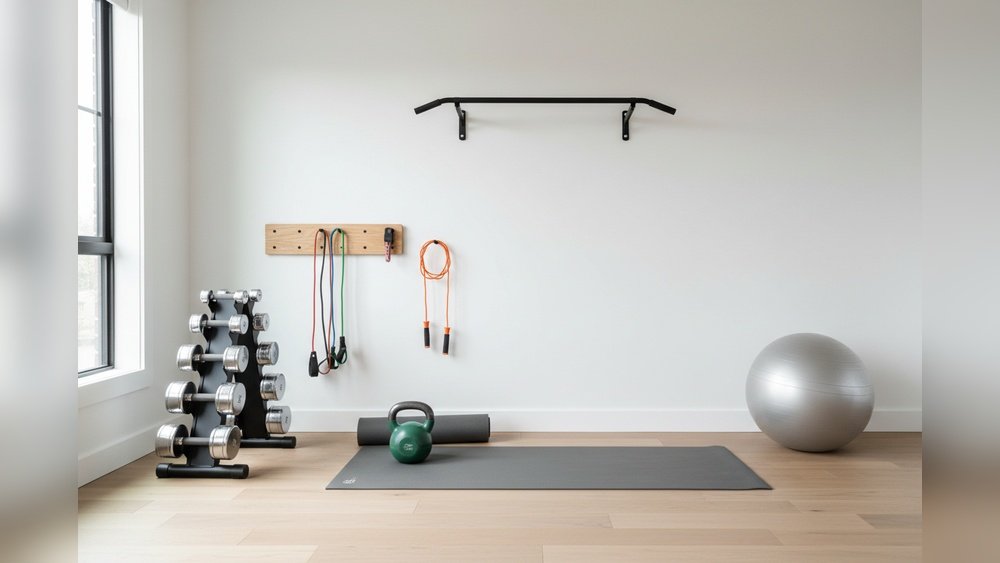
Creating a home gym can feel overwhelming. There are countless gadgets, machines, and accessories that promise to get you fit. But what if your goal is simplicity? What if you want a home gym that saves space, money, and time? A minimalist home gym focuses on the essentials—the equipment that gives you the most results for your effort and investment. With just seven key pieces, you can train your entire body, improve strength and flexibility, and support your health goals without clutter or confusion.
In this guide, you’ll learn which seven pieces of equipment are truly essential, how to use them for full-body workouts, and why they beat bulky machines or single-use tools. Whether you’re starting fresh or want to declutter your current setup, you’ll discover exactly what you need—and what you don’t.
Plus, you’ll get practical advice, real examples, and tips to avoid common mistakes. Let’s build a home gym that works for you and your lifestyle.
Why Choose A Minimalist Home Gym?
A minimalist home gym is not just about having less equipment. It’s about choosing tools that give you the maximum training variety and effectiveness with the least hassle. Here’s why people love this approach:
- Saves Space: No need for a large spare room or garage. Most essential pieces can fit in a small corner or closet.
- Cost-Effective: You spend money only on what you’ll truly use.
- Flexible: You can adjust your workouts easily, from strength to cardio to flexibility.
- Easy Maintenance: Fewer machines means less cleaning and less chance of things breaking.
Many beginners think more equipment means better results. In reality, sticking to the basics helps you focus, stay consistent, and see faster progress. Minimalism also makes workouts easier to start. Without the distraction of many choices or clutter, you can jump straight into your routine.
This is especially helpful if you’re busy or easily overwhelmed.
Another advantage is adaptability. If your life changes—moving to a new home, traveling often, or even just rearranging furniture—a minimalist gym can move with you. All seven pieces are lightweight or portable, so you’re never tied to one location. You can even take some equipment outdoors or to the park.
Finally, minimalism encourages better habits. You spend less time shopping for new tools and more time using what you have. This builds confidence and mastery over your workouts, instead of jumping from one trend to another.
The 7 Essential Pieces Of Minimalist Home Gym Equipment
Let’s look at each piece, why it matters, how to use it, and what to look for when buying. Each section includes practical tips and insights most beginners miss.
1. Adjustable Dumbbells
Dumbbells are a classic for a reason. With a set of adjustable dumbbells, you can perform hundreds of exercises for every muscle group. Adjustable models let you change the weight quickly, replacing several pairs with one compact set.
Why They Matter:
- Allow you to do both heavy lifting (for legs, back) and light isolation moves (for arms, shoulders).
- Suitable for all skill levels.
- Save a lot of space compared to fixed-weight dumbbells.
Key Features to Look For:
- Quick weight changes: Spin-lock or dial systems are fastest.
- Durability: Steel or heavy-duty plastic.
- Comfortable grip: Non-slip handles reduce hand fatigue.
Common Beginner Mistake: Choosing weights that are too light or too heavy. Start with a range that fits your current strength and allows for growth. For most, 5 to 50 lbs per dumbbell is ideal. Another mistake is ignoring balance—some adjustable dumbbells become uneven if not set up right, so always double-check before lifting.
Example Exercises: Goblet squat, overhead press, bent-over row, chest press, bicep curl, tricep extension.
It’s worth noting that adjustable dumbbells can also be used for compound movements (like lunges or deadlifts), which work multiple muscles at once. As you progress, you can use them for supersets or circuit training to increase workout intensity without needing extra equipment.
2. Resistance Bands
Resistance bands are light, portable, and incredibly versatile. They’re perfect for strength training, stretching, and injury prevention. Bands add unique resistance—making your muscles work harder, especially at the end of each movement.
Why They Matter:
- Provide variable resistance, challenging your muscles differently than free weights.
- Can be used for warm-ups, mobility work, and full-body strength routines.
- Easy to pack for travel or use outdoors.
Types of Bands:
- Loop bands: Best for lower body and glute work.
- Tube bands with handles: Great for upper body and pulling exercises.
- Therapy bands: Flat bands for rehab and stretching.
Key Features to Look For:
- Variety pack: Multiple strengths (light, medium, heavy).
- Durable material: Snap-resistant latex or fabric.
- Anchor attachments: For door or foot anchoring.
Beginner Tip: Don’t overlook how bands can help with pull-ups (as assistance) or add resistance to push-ups and squats. Another tip is to always inspect bands for small tears before each use—this prevents sudden snapping and injury.
Example Exercises: Band pull-apart, lateral walk, assisted pull-up, banded push-up, shoulder press.
Besides strength, bands are excellent for flexibility and rehab. You can use them for gentle stretching or recovery after injuries, making them useful for all ages and fitness levels. For advanced users, bands can even add resistance to classic moves like deadlifts or presses.
3. Pull-up Bar
A pull-up bar is simple but powerful. It lets you train your back, arms, and core with your own body weight. You can install one in a doorway or choose a freestanding version if you have more space.
Why It Matters:
- Pull-ups and chin-ups are some of the best upper-body strength builders.
- Great for hanging core moves (like leg raises) and stretching.
- Encourages grip strength and shoulder health.
Key Features to Look For:
- Strong, safe grip: Non-slip handles.
- Easy installation: Fits standard doorways or can be mounted.
- Weight capacity: Should hold at least 250 lbs.
Common Mistake: Not securing the bar properly. Always check the fit before use to avoid accidents. Another mistake is ignoring the wall or doorway strength—thin or damaged frames can cause the bar to slip or break.
Example Exercises: Pull-up, chin-up, hanging knee raise, hanging scapular shrug.
A pull-up bar can also double as an anchor for resistance bands, expanding your exercise options. If you’re just starting and can’t do a full pull-up yet, use bands for assistance or try negative pull-ups (jump up, then slowly lower down).

4. Kettlebell
A single kettlebell opens up dynamic, full-body workouts. Kettlebell training combines strength and cardio, improves coordination, and builds functional power.
Why It Matters:
- Perfect for explosive moves, like swings, cleans, and snatches.
- Trains grip, core, and endurance.
- Great for small spaces—one kettlebell can do a lot.
Key Features to Look For:
- Flat base: For stability during moves.
- Smooth handle: Wide enough for two hands, comfortable to hold.
- Weight: 12–16 kg (26–35 lbs) is a good start for most men; 8–12 kg (18–26 lbs) for most women.
Beginner Insight: Start with one kettlebell and master form before adding more or going heavier. Bad technique can lead to injury. Many beginners also overlook the importance of wrist alignment—keep wrists straight to avoid strain.
Example Exercises: Kettlebell swing, goblet squat, Turkish get-up, single-arm press, farmer’s walk.
Kettlebells also work well for interval training. You can switch between strength and cardio in the same session, keeping workouts efficient and interesting. If you have limited space, kettlebells are easy to store and won’t roll away thanks to their flat base.
5. Exercise Mat
A quality exercise mat protects your joints and floor. It’s essential for floor exercises, stretching, yoga, and bodyweight moves.
Why It Matters:
- Adds comfort for moves like push-ups, sit-ups, planks, and stretching.
- Reduces noise and floor damage.
- Defines your personal workout space.
Key Features to Look For:
- Thickness: At least 6 mm for comfort, up to 12 mm for more cushion.
- Non-slip surface: Prevents sliding during workouts.
- Easy to clean: Sweat-resistant material.
Not-So-Obvious Benefit: Mats also make workouts feel more “official.” Laying out a mat can help build a workout routine, especially if you struggle with motivation. Another benefit is hygiene—your mat creates a barrier between you and the floor, reducing exposure to dust or germs.
Example Use: Yoga, stretching, ab workouts, plyometrics, mobility drills.
A mat is also helpful for noisy floors, especially in apartments. It dampens sound so you can train early morning or late at night without disturbing others. Choose a mat that rolls up easily for storage and stays flat when laid out.
6. Jump Rope
Don’t underestimate the power of a jump rope. It’s one of the most effective cardio tools—burning up to 10–16 calories per minute. It improves coordination, foot speed, and cardiovascular health.
Why It Matters:
- Portable and inexpensive.
- Suits all fitness levels.
- Quick cardio sessions—perfect for warm-ups or HIIT.
Key Features to Look For:
- Adjustable length: Fit the rope to your height.
- Durable material: Steel cable with protective coating lasts longer.
- Comfortable handles: Prevent blisters during longer sessions.
Beginner Tip: Start slow. Even a few minutes can be challenging if you haven’t jumped rope recently. Another tip is to clear your workout area—jump ropes need enough space around you to avoid hitting walls or furniture.
Example Uses: HIIT intervals, warm-ups, active rest between strength sets.
Jump ropes aren’t just for cardio—they also improve agility and balance. You can use them for footwork drills or combine with other equipment for circuits. For maximum benefit, alternate between slow jumps and fast sprints.

7. Foam Roller
A foam roller is a must for recovery and injury prevention. It helps release muscle tightness, boost blood flow, and reduce soreness after workouts.
Why It Matters:
- Supports quicker recovery and better flexibility.
- Can reduce pain from sitting or poor posture.
- Prepares muscles for exercise and helps cool down after.
Key Features to Look For:
- Firmness: Medium-density for most; harder rollers for deep tissue, softer for beginners.
- Surface texture: Smooth for gentle massage, textured for more intense release.
- Size: 12–24 inches is enough for most uses.
Common Mistake: Rolling too quickly or over bones/joints. Move slowly and focus on muscle tissue for best results. Another common mistake is skipping foam rolling after workouts—consistent use helps prevent soreness and speeds up recovery.
Example Uses: Calf rolling, IT band release, upper back massage, quad and hamstring recovery.
Foam rollers are also useful for pre-workout warm-ups. Rolling major muscle groups before exercise can improve mobility and reduce injury risk. For extra benefit, combine foam rolling with stretching on your exercise mat.
Comparison Of Minimalist Gym Equipment
To help you understand why these seven items are essential, here’s a quick comparison of their main benefits and uses:
| Equipment | Main Benefit | Space Needed | Typical Price Range (USD) |
|---|---|---|---|
| Adjustable Dumbbells | Strength & versatility | Small | $80–$350 |
| Resistance Bands | Portable strength & rehab | Tiny | $10–$40 |
| Pull-Up Bar | Bodyweight back/arms | Small/doorway | $25–$70 |
| Kettlebell | Strength & cardio | Small | $25–$80 |
| Exercise Mat | Comfort & protection | Rolls up | $15–$60 |
| Jump Rope | Cardio & agility | Tiny | $8–$30 |
| Foam Roller | Recovery & mobility | Small | $15–$45 |
Notice how each item covers a unique aspect of fitness—strength, cardio, flexibility, and recovery. This balance is what makes the minimalist approach so effective.
Minimalist Vs. Traditional Home Gyms
If you’re unsure whether a minimalist setup is enough, compare it to a traditional home gym with bulky machines and benches. Here’s how they stack up:
| Feature | Minimalist Gym (7 Items) | Traditional Home Gym |
|---|---|---|
| Cost | Low (Under $600 total) | High ($2,000+ for machines) |
| Space Needed | Very little | Large room/garage |
| Workout Variety | High (Full body, many moves) | Medium (Some isolation) |
| Flexibility | Easy to add/remove tools | Hard to move/change |
| Maintenance | Minimal | Frequent (machines, electronics) |
Traditional gyms often require you to spend more time adjusting machines, waiting for parts, or dealing with repairs. Minimalist gyms keep things simple—less downtime means more training and better results.
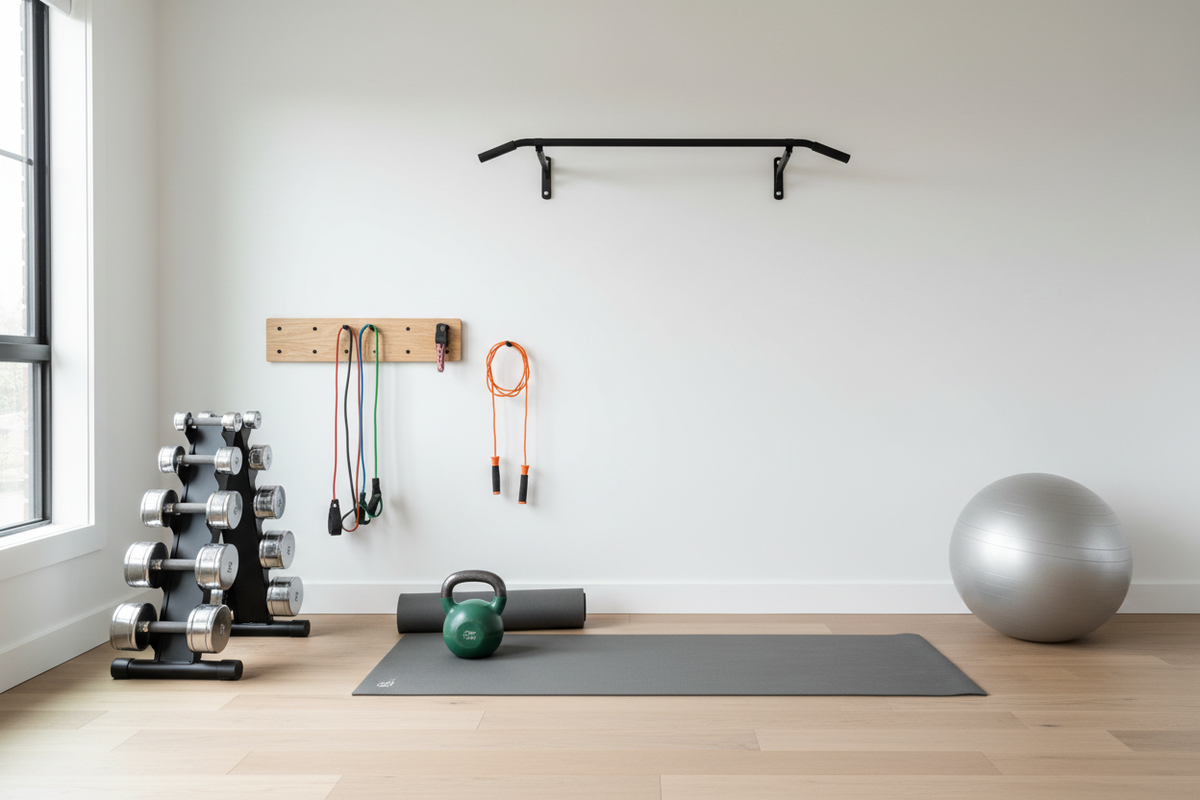
Credit: www.gxmmat.us
How To Build Your Minimalist Home Gym
Building your own gym is easier than you think. Here’s a step-by-step plan:
- Pick a dedicated space. Even a 6×6 foot area works. A corner of your bedroom, living room, or balcony is enough.
- Start with essentials. Buy the 7 pieces listed above. Don’t add more until you use these consistently.
- Organize for easy access. Store bands, ropes, and mats in a small basket or bin. Place heavier items (dumbbells, kettlebell) on the floor or a sturdy shelf.
- Keep it tidy. A clean, uncluttered space helps you stay motivated.
- Plan your routine. Decide which days you’ll train strength, cardio, and flexibility.
Tip: Take a “before” photo of your space. After organizing, you’ll be surprised how much more inviting it feels.
You can also label storage bins for each type of equipment, making it easy to grab what you need. If you share your home with others, communicate your workout times and respect their space.
Don’t rush to buy everything at once. Start with two or three items if your budget is tight and expand as you discover your favorite exercises. Minimalism is about quality, not quantity.
Sample Workouts Using Only These 7 Pieces
Here are example workouts you can do using just these items. These routines cover all major muscle groups and fitness goals.
Full-body Strength Routine
- Goblet Squat (Kettlebell or Dumbbell) – 3 sets x 10 reps
- Pull-Up or Assisted Pull-Up (Pull-Up Bar + Band) – 3 sets x max reps
- Dumbbell Chest Press (on Mat) – 3 sets x 12 reps
- Resistance Band Row (anchored at door) – 3 sets x 15 reps
- Dumbbell Overhead Press – 3 sets x 10 reps
- Plank (on Mat) – 3 x 30–60 seconds
This routine targets legs, chest, back, shoulders, and core. Adjust weights or reps based on your skill level. For beginners, lower the reps and focus on form.
Cardio & Conditioning Circuit
- Jump Rope – 1 minute
- Kettlebell Swing – 15 reps
- Bodyweight Push-Up (on Mat) – 15 reps
- Band Lateral Walk – 10 steps each way
- Mountain Climbers (on Mat) – 30 seconds
- Repeat circuit 3–5 times
This circuit mixes cardio, strength, and agility. Rest 30 seconds between each exercise. If you’re short on time, do just two rounds for a quick workout.
Mobility And Recovery Flow
- Foam Roller: Calves, Quads, Upper Back – 1–2 minutes each
- Band Pull-Apart – 3 sets x 20 reps
- Yoga Stretch (on Mat) – Downward Dog, Cobra, Pigeon – 30 seconds each
- Child’s Pose (on Mat) – 1 minute
Mobility flows can be done daily, especially after sitting for long periods. Combine foam rolling with gentle stretches for best results.
Not-So-Obvious Insight: You don’t need a treadmill or cable machine for a complete workout. These basic tools, combined with bodyweight, train every muscle and movement pattern.
Try mixing and matching exercises to keep your training fresh. For example, use the jump rope as a warm-up, then move to strength exercises, and finish with foam rolling.

Credit: purefitnesswi.com
Mistakes To Avoid When Building A Minimalist Home Gym
Many beginners waste money or space by making these common mistakes:
- Buying too much: Start with the essentials. Add only if you outgrow your setup.
- Ignoring quality: Cheap equipment often breaks or feels uncomfortable. Invest in the best you can afford for safety and durability.
- Forgetting recovery: Skipping the foam roller or mat can lead to soreness and injury.
- Not planning storage: If your gym feels messy, you’ll use it less. Plan storage from the start.
Pro Tip: Read reviews or watch video demos before buying. Make sure the equipment matches your space, skill, and style.
Another mistake is failing to set a schedule. Even with great equipment, inconsistent workouts lead to poor results. Write down your plan and stick to it.
Avoid comparing your setup to others. Minimalism works when you focus on your own needs and progress, not what’s trendy or popular.
How To Choose The Right Equipment For You
While the seven pieces listed work for almost everyone, you should still consider:
- Your goals: Want to focus on strength? Prioritize dumbbells and kettlebell. Love cardio? Invest in a quality jump rope.
- Your space: Measure first! Some doorway bars won’t fit old or very wide door frames.
- Your budget: If you can’t buy everything at once, start with resistance bands, jump rope, and a mat—they cover a lot for little money.
- Your experience: If you’re new to exercise, start light and focus on form.
Beginner Insight: You don’t need everything day one. Build your gym over a few months as you learn what you enjoy.
Also, consider your training style. If you prefer yoga or stretching, invest in a thicker mat and softer foam roller. If you’re interested in powerlifting, choose heavier dumbbells and kettlebells.
Finally, check online guides or ask trainers for advice. Some equipment may suit your body type or injury history better than others.

Credit: summerfunfitness.com
Accessories: What You Don’t Need
Minimalism means skipping gadgets and machines that promise quick fixes but deliver little. Here are items you can skip unless you have a special need:
- Large cardio machines (treadmills, ellipticals): Expensive, bulky, and not needed for most.
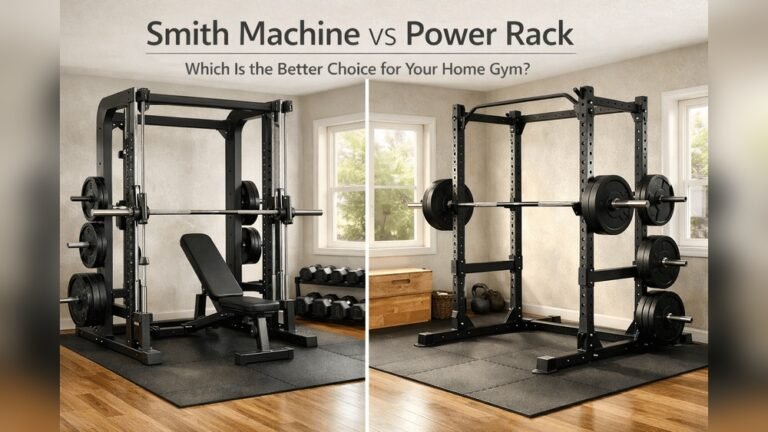
- Smith machines or big benches: Take up too much space.
- Single-use tools: Ab wheels, thigh masters, or vibration plates add clutter.
- Weighted vests or chains: Only for advanced users.
Save your money and space for tools you’ll use every day.
If you’re tempted by accessories, ask yourself: Will I use this regularly? If not, it’s better to skip it. Minimalist gyms thrive on simplicity and consistency.
Caring For Your Minimalist Home Gym Equipment
To keep your gym in top shape:
- Wipe down grips and mats after every use to prevent sweat buildup.
- Check bands for tears or overstretching every few months.
- Store equipment off the floor if possible to avoid dust and damage.
- Lubricate moving parts (like adjustable dumbbells) if recommended by the manufacturer.
Bonus Tip: Set a reminder every month to check your equipment. Well-maintained tools last for years.
Also, avoid leaving equipment in direct sunlight or damp areas. UV rays and moisture can damage bands and mats over time. For foam rollers, store them flat to prevent warping.
If you have pets or kids, store equipment out of reach to prevent accidents. Safety is part of good maintenance.
Where To Buy Minimalist Home Gym Equipment
Shop from trusted brands or local stores. Online retailers often offer bundles for beginners. Always check return policies and warranty before buying.
A helpful resource is the National Strength and Conditioning Association, which gives advice on choosing safe and effective fitness gear.
Compare prices and read customer reviews. Some brands offer free shipping or discounts for bundles. If buying second-hand, inspect the equipment in person for wear or damage.
Inspiration: Minimalist Home Gym Success Stories
- Sam, 34: “I had no room for a big gym. With just dumbbells, a mat, and bands, I lost 30 lbs and feel stronger than ever.”
- Leah, 25: “Traveling a lot, I use bands and my jump rope everywhere. I never miss a workout.”
- Mike, 42: “After years of clutter, my minimalist gym is tidy and motivating. I spend less time setting up and more time training.”
These stories show that fitness is possible anywhere. Minimalist gyms make exercise simple and accessible.
Frequently Asked Questions
What If I Have Very Little Space For A Gym?
Even a 6×6 foot area can work. Store your equipment in a bin or closet and lay out your mat when training. Focus on exercises that don’t need much movement, like dumbbell presses, squats, or band rows. If you live in a studio apartment, use vertical storage racks or wall hooks to save floor space.
Can I Really Build Muscle With Just These 7 Pieces?
Yes. With adjustable dumbbells, a kettlebell, and resistance bands, you can perform all major strength exercises. Pull-ups challenge your back and arms, while bodyweight moves and bands add variety. Consistency matters more than equipment variety.
What Weight Should I Choose For My Dumbbells Or Kettlebell?
Pick a weight you can lift with good form for 8–12 reps. Most men start with 5–50 lbs dumbbells and a 12–16 kg (26–35 lbs) kettlebell. Most women do well with 5–30 lbs dumbbells and an 8–12 kg (18–26 lbs) kettlebell.
If unsure, start lighter and increase as you get stronger.
How Do I Stay Motivated In A Home Gym?
Keep your space tidy and inviting. Write down your workouts, set regular training times, and track progress. Try new exercises with your equipment to prevent boredom. Joining an online community can also boost motivation. Another tip is to set small goals, like completing a certain number of workouts per week or mastering a new exercise.
Do I Need Any Tech Or Apps With My Minimalist Home Gym?
No tech is required, but fitness apps or YouTube videos can help guide your routines and track results. Use tech if it helps you, but don’t let it distract from the basics. If you use a phone or tablet during workouts, place it safely away from heavy equipment.
—
A minimalist home gym proves that you don’t need a room full of machines or expensive gadgets to get fit. With just these seven pieces of equipment, you can train hard, recover well, and enjoy simple, effective workouts at home.
Focus on quality, consistency, and creativity—and your results will follow.