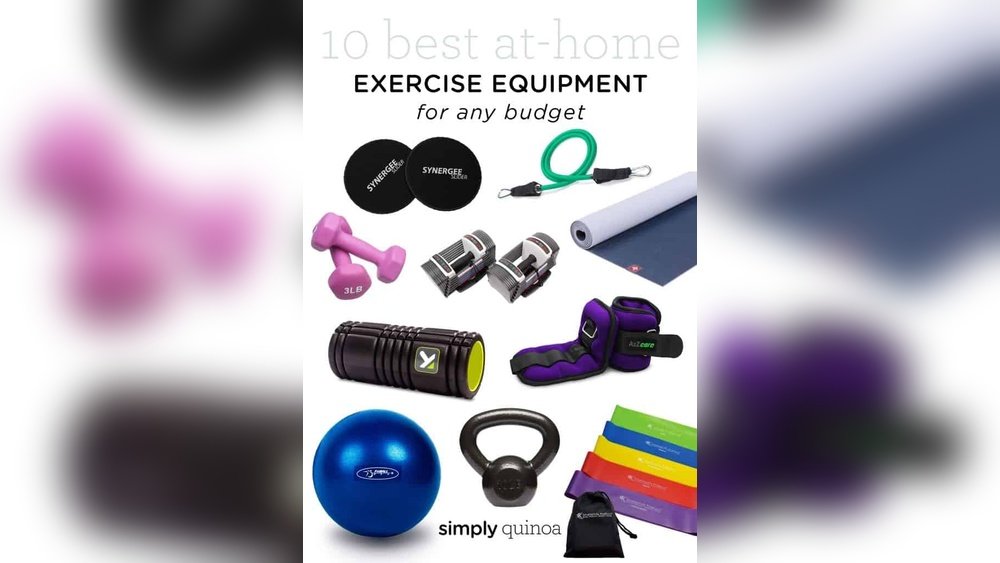
The Essential Budget Home Gym Equipment List for Beginners
Building a home gym doesn’t have to cost a fortune or take up much space. For beginners, starting with budget-friendly equipment can give you everything you need to get strong, fit, and healthy—right at home. You can avoid expensive gym memberships, skip the commute, and exercise when it suits you.
But what gear do you really need? And how do you make smart choices without wasting money on fancy tools or unused gadgets?
This guide helps you find the essential budget home gym equipment for beginners. You’ll learn which items are must-haves, which ones you can skip for now, and how to set up a balanced workout space without overspending. You’ll see useful comparisons, expert tips, common mistakes to avoid, and answers to your top questions. Whether you have a spare room or just a corner, you can build a gym that works for your goals.
—

—
Why Build A Home Gym On A Budget?
For many beginners, going to a gym can feel intimidating. Sometimes, it’s not just the price. Crowds, waiting for machines, and commuting can take away motivation. With a home gym, you can exercise in privacy, save time, and control your environment.
But most people think a gym needs expensive equipment and lots of space.
In reality, you only need a few core tools to get started. Research shows that basic equipment can cover most fitness needs. According to a 2026 survey, about 65% of home gym owners spent less than $500 on their initial setup, and 70% reported improved consistency in their workouts.
Building a budget home gym means focusing on what you’ll use most. It’s about smart choices, not big spending. You avoid paying for features you don’t need. With the right selection, you can do strength training, cardio, flexibility work, and more—all at home.
—
The Essential Budget Home Gym Equipment List
Let’s break down the most valuable items for a beginner-friendly, budget home gym. Each piece is explained with practical advice, price ranges, and examples. You’ll see which items are truly essential, which are optional, and how to choose the best versions for your needs.
—
1. Resistance Bands
Resistance bands are one of the most versatile and affordable gym tools. They come in different shapes and strengths, letting you work every muscle group. Bands can replace many dumbbell exercises and are easy to store.
- Average price: $10–$35 for a set
- Uses: Strength training, stretching, rehab, warm-ups
- Benefits: Portable, safe for beginners, good for all fitness levels
There are three main types:
- Loop bands: Ideal for lower body workouts
- Tube bands with handles: Great for upper body exercises
- Mini bands: Good for hips, glutes, and shoulders
Beginners often overlook how bands can be used for progressive resistance. For example, you can do squats, rows, chest presses, and even assisted pull-ups with the right band setup. Bands are also gentle on joints, making them perfect for those new to exercise.
—

—
2. Adjustable Dumbbells
Dumbbells are classic for home workouts. Adjustable sets are best for beginners because they save space and money. You can change the weight easily, so one pair covers many exercises.
- Average price: $40–$120 (depends on weight range)
- Uses: Arm, shoulder, chest, back, and leg exercises
- Benefits: Compact, flexible, durable
Fixed dumbbells can be expensive if you need several pairs. Instead, choose adjustable dumbbells, which let you add or remove plates. Look for sets with a quick-change mechanism—this saves time between exercises.
Common mistake: Many beginners buy light dumbbells only (2–5 lbs). While these are good for some moves, they quickly become too easy. Aim for a set that goes up to at least 20–30 lbs per dumbbell.
—
3. Exercise Mat
A good exercise mat is essential for floor work, stretching, yoga, and bodyweight exercises. It protects your joints and keeps you comfortable.
- Average price: $15–$35
- Uses: Yoga, pilates, stretching, push-ups, planks, sit-ups
- Benefits: Easy to clean, non-slip, cushions hard floors
Choose a mat with enough thickness (about 1/2 inch or 12 mm) for comfort. Mats also prevent slipping and protect your floor from sweat or damage.
Non-obvious tip: Mats with a textured surface are better for grip during sweaty workouts. Avoid very thin mats—they don’t cushion enough for most beginners.
—
4. Jump Rope
Jump ropes are simple but powerful for cardio. They burn calories fast, improve coordination, and fit in any space.
- Average price: $8–$20
- Uses: Cardio, warm-up, agility training
- Benefits: Very portable, high calorie burn, low price
A 10-minute jump rope session can burn as many calories as a 30-minute jog. Choose a rope with adjustable length and comfortable handles.
Common mistake: Beginners sometimes buy ropes that are too short or too long. To check the right length, stand on the middle of the rope and pull the handles up—they should reach just under your armpits.
—
5. Stability Ball
A stability ball (also called Swiss ball) adds variety to workouts. You can use it for core training, stretching, and even as a bench.
- Average price: $15–$30
- Uses: Core exercises, balance, stretching, substitute for bench
- Benefits: Improves posture, works stabilizer muscles
Choose a ball size based on your height:
- 55 cm: For people up to 5’6”
- 65 cm: For people 5’7”–6’1”
- 75 cm: For people over 6’2”
Many beginners miss that stability balls can make simple exercises harder. For example, try push-ups with feet on the ball for extra challenge.
—
6. Pull-up Bar
A pull-up bar lets you do pull-ups, chin-ups, and hanging leg raises. Doorway bars are affordable and don’t need drilling.
- Average price: $25–$40
- Uses: Upper body, core
- Benefits: Builds back, arms, grip strength
Look for a bar that fits your door frame securely and has padding. If you can’t do pull-ups yet, use resistance bands for assistance.
Non-obvious insight: Hanging from the bar is good for stretching your spine and improving shoulder health, even if you can’t do pull-ups.
—
7. Kettlebell
Kettlebells are great for strength, endurance, and functional training. One or two weights can replace many machines.
- Average price: $20–$50 (for 15–25 lbs)
- Uses: Swings, squats, presses, lunges, Turkish get-up
- Benefits: Full-body workouts, improves grip and power
Most beginners start with a 15–20 lb kettlebell. If you’re stronger, go for 25–30 lbs.
Common mistake: Buying a very heavy kettlebell right away. It’s better to learn proper form with a lighter weight.
—
8. Foam Roller
A foam roller is essential for recovery and flexibility. It helps release muscle tension and prevents injuries.
- Average price: $12–$25
- Uses: Self-massage, stretching, recovery
- Benefits: Reduces soreness, improves mobility
Choose a medium-density roller for comfort. Hard rollers can be painful for beginners.
Non-obvious tip: Use the roller before workouts to increase blood flow, not just after exercise.
—
9. Flat Bench
A flat bench makes many exercises easier and safer. It’s useful for presses, step-ups, and core work.
- Average price: $40–$70
- Uses: Dumbbell presses, rows, step-ups, seated exercises
- Benefits: Expands workout options, stable support
If you don’t have space for a bench, a sturdy coffee table or storage box can work—but check it’s strong and safe.
—
10. Workout Timer
A workout timer or interval timer helps you stay focused. You can use your phone, but a dedicated timer is easier to see during workouts.
- Average price: $10–$25
- Uses: HIIT, circuit training, rest periods
- Benefits: Keeps workouts efficient, supports routines
For beginners, start with simple intervals (30 seconds work, 30 seconds rest). This keeps workouts structured.
—
11. Gym Storage Solution
Keeping your gym organized saves time and keeps your space safe. Simple storage racks or bins help.
- Average price: $20–$40
- Uses: Equipment storage, organization
- Benefits: Prevents clutter, extends equipment life
Many beginners forget to plan storage. Equipment lying around can cause accidents or get damaged.
—
12. Optional: Yoga Blocks And Straps
If you enjoy stretching or yoga, blocks and straps make poses easier and safer.
- Average price: $10–$20 for blocks, $7–$15 for straps
- Uses: Flexibility, yoga, stretching
- Benefits: Support, improves range of motion
These are not essential for everyone, but useful for flexibility work.
—
13. Optional: Ankle Weights
Ankle weights add resistance to leg exercises. They’re not essential, but can help with glute and hip workouts.
- Average price: $15–$30 per pair
- Uses: Leg lifts, glute work, walking
- Benefits: Adds challenge to basic moves
Use light weights (1–3 lbs per ankle) to start.
—

—
Credit: www.malawi-germany.de
How To Choose The Best Budget Home Gym Equipment
Buying gym equipment is not just about price. You want quality and versatility. Here’s how to make smart choices:
Consider Your Fitness Goals
Think about what you want to achieve:
- Build muscle? Focus on dumbbells, bench, resistance bands.
- Lose weight? Cardio tools like jump rope and kettlebell.
- Improve flexibility? Mat, foam roller, stability ball.
Non-obvious insight: Don’t buy everything at once. Start with 3–4 items that match your main goal, then expand as you progress.
Check Your Space
Measure your workout area. Most equipment on this list is compact or portable. For small rooms, skip large machines and choose items that store easily.
Compare Materials And Quality
Cheap equipment can break or cause injuries. Look for brands with good reviews and warranties. Avoid plastic handles that bend or cheap mats that tear.
Think About Safety
Choose equipment with non-slip surfaces, secure fastenings, and stable bases. For pull-up bars and benches, check weight limits.
—
Comparing Popular Budget Equipment
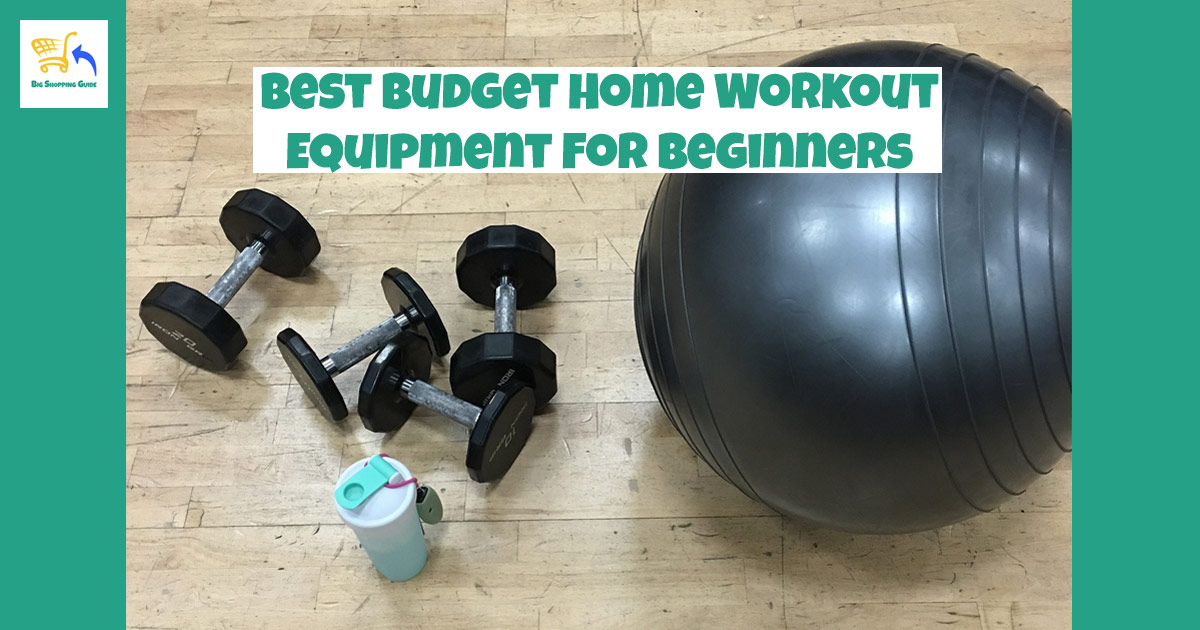
Here’s a quick comparison of the most common beginner tools:
| Equipment | Average Price | Main Use | Space Needed |
|---|---|---|---|
| Resistance Bands | $10–$35 | Strength, flexibility | Minimal |
| Adjustable Dumbbells | $40–$120 | Strength | Small |
| Jump Rope | $8–$20 | Cardio | Minimal |
| Stability Ball | $15–$30 | Core, balance | Medium |
| Pull-Up Bar | $25–$40 | Upper body | Minimal |
—
Credit: www.bigshoppingguide.com
Setting Up Your Home Gym: Step-by-step Guide
Creating your home gym is simple if you plan well. Here’s how to get started:
Step 1: Pick Your Spot
Choose a space with enough room to move freely. It could be a corner, spare room, or garage. Make sure it’s safe and has good lighting.
Step 2: Gather Essential Equipment
Start with the basics:
- Exercise mat
- Resistance bands
- Dumbbells
- Jump rope
- Stability ball
These cover most workouts.
Step 3: Organize And Store
Keep your equipment tidy. Use shelves, bins, or hooks. This prevents clutter and makes workouts easier.
Step 4: Add Optional Tools
As you get stronger, add kettlebells, pull-up bar, foam roller, and other extras.
Step 5: Plan Your Routine
Write down a weekly workout plan. Mix strength, cardio, and flexibility. For example:
- Monday: Band workouts + core
- Wednesday: Dumbbells + jump rope
- Friday: Stability ball + stretching
Non-obvious tip: Use a timer to keep workouts efficient. Short, focused sessions are better than long, unfocused ones.
—
Sample Beginner Home Gym Workout
To show how you can use your equipment, here’s a sample workout for beginners. This routine covers strength, cardio, and flexibility.
Warm-up (5 minutes):
- Jump rope (1 min)
- Arm circles (1 min)
- Bodyweight squats (2 min)
- Band stretches (1 min)
Strength (15 minutes):
- Resistance band rows (3 sets x 10 reps)
- Dumbbell presses (3 sets x 10 reps)
- Stability ball squats (3 sets x 10 reps)
Core (10 minutes):
- Stability ball crunches (3 sets x 15 reps)
- Plank (3 sets x 30 seconds)
- Band rotations (2 sets x 12 reps)
Cardio (5 minutes):
- Jump rope intervals (30 sec on, 30 sec rest x 5 rounds)
Stretch (5 minutes):
- Foam roller (quads, hamstrings, back)
- Mat stretches (hamstring, hip flexor, child’s pose)
Total Time: 40 Minutes
Tip: Adjust reps and sets based on your fitness level. Go slow at first, then add intensity as you improve.
—

Credit: champion-bg.com
Common Mistakes Beginners Make
Starting a home gym is exciting, but some mistakes can waste money or reduce results.
- Buying too much equipment: You don’t need everything at once. Start small and expand later.
- Ignoring quality: Cheap gear can break or cause injuries. Spend a bit more for durability.
- Skipping a plan: Without a workout routine, equipment collects dust.
- Not checking space: Measure before buying. Some tools need more room than expected.
- Neglecting storage: Messy spaces reduce motivation and safety.
- Choosing wrong weights: Light weights become too easy quickly; pick adjustable options.
Non-obvious insight: Beginners often forget to clean and maintain their equipment. Sweat and dust can damage gear over time. Wipe down mats, bands, and dumbbells regularly.
—
How Much Should You Spend?
A basic home gym setup can cost less than $300. Here’s a sample breakdown:
| Equipment | Estimated Cost |
|---|---|
| Exercise Mat | $25 |
| Resistance Bands | $20 |
| Adjustable Dumbbells | $90 |
| Jump Rope | $12 |
| Stability Ball | $20 |
| Pull-Up Bar | $35 |
| Foam Roller | $18 |
| Flat Bench | $50 |
| Timer | $15 |
| Storage Bin | $20 |
Total: $305
You can start with fewer items and spend less. As you progress, add more tools based on your needs and budget.
—
Real-world Example: Small Apartment Gym
Imagine you have a small apartment, limited space, and $150 to spend. Here’s a practical setup:
- Exercise mat: $20
- Resistance bands: $15
- Adjustable dumbbells: $60
- Jump rope: $10
- Foam roller: $15
- Storage bin: $10
Total: $130
With these, you can do full-body workouts, cardio, and recovery. All equipment fits under your bed or in a closet.
—
Tips To Maximize Your Budget Home Gym
- Buy in bundles: Many brands sell sets of bands, dumbbells, or mats together at a discount.
- Shop used: Check online marketplaces for secondhand equipment in good condition.
- DIY solutions: Use household items (like chairs or sturdy boxes) for some exercises.
- Rotate workouts: Use your equipment for different routines to keep things interesting.
- Maintain your gear: Clean and check regularly to extend life.
Non-obvious tip: Keep your gym area attractive and inviting. Add a small speaker, motivational posters, or good lighting. This makes you want to use it more.
—
Safety And Maintenance
Safety is key in any gym. Here’s how to keep your workouts safe:
- Check equipment regularly: Look for cracks, loose screws, or worn bands.
- Use proper form: Follow video guides or instructions for each exercise.
- Warm up and cool down: Prevent injuries with stretching and foam rolling.
- Clean surfaces: Mats and gear should be wiped down after use.
Non-obvious insight: If you share equipment with family, check weight limits and adjust settings for each person.
—
Where To Buy Budget Home Gym Equipment
You can find affordable gym gear at:
- Local sports stores
- Online shops (Amazon, Walmart, Target)
- Used equipment sites (Craigslist, Facebook Marketplace)
- Specialty fitness brands
Compare reviews, check warranties, and look for bundle deals. If you want more information about home gym trends and fitness research, visit Wikipedia.
—
Frequently Asked Questions
What Is The Minimum Equipment I Need For A Home Gym?
For most beginners, you only need an exercise mat, resistance bands, and adjustable dumbbells. With these, you can do strength, cardio, and flexibility workouts. Add a jump rope for cardio and a foam roller for recovery if your budget allows.
Is It Safe To Use Budget Equipment?
Yes, if you choose quality brands and check for safety features like non-slip surfaces and secure fastenings. Avoid very cheap gear with weak materials. Always check weight limits and follow proper form.
How Do I Store Home Gym Equipment In Small Spaces?
Use storage bins, racks, or shelves. Equipment like bands, mats, and dumbbells fit under beds or in closets. Keep your gym organized to save space and prevent accidents.
Can I Get Fit With Just Basic Equipment?
Absolutely. You can build strength, burn calories, and improve flexibility with resistance bands, dumbbells, and a mat. Consistency matters more than expensive tools. Use different routines to keep workouts interesting.
How Do I Know What Weight To Choose For Dumbbells Or Kettlebells?
Start with a weight that lets you do 10–12 repetitions with good form. For most beginners, dumbbells between 10–20 lbs and kettlebells between 15–25 lbs are ideal. Adjustable sets are better—they grow with your strength.
—
Starting your home gym doesn’t need to be expensive or complicated. With a smart list of essential budget equipment, you’ll have everything you need to train effectively at home. Focus on quality and versatility, keep your space tidy, and build your routine step by step. As you get stronger and more confident, add new tools and challenges. Remember, the best gym is the one you use consistently—so make it fit your lifestyle and goals.