The Ultimate Weight Loss Meal Plan for Sustainable Fat Loss
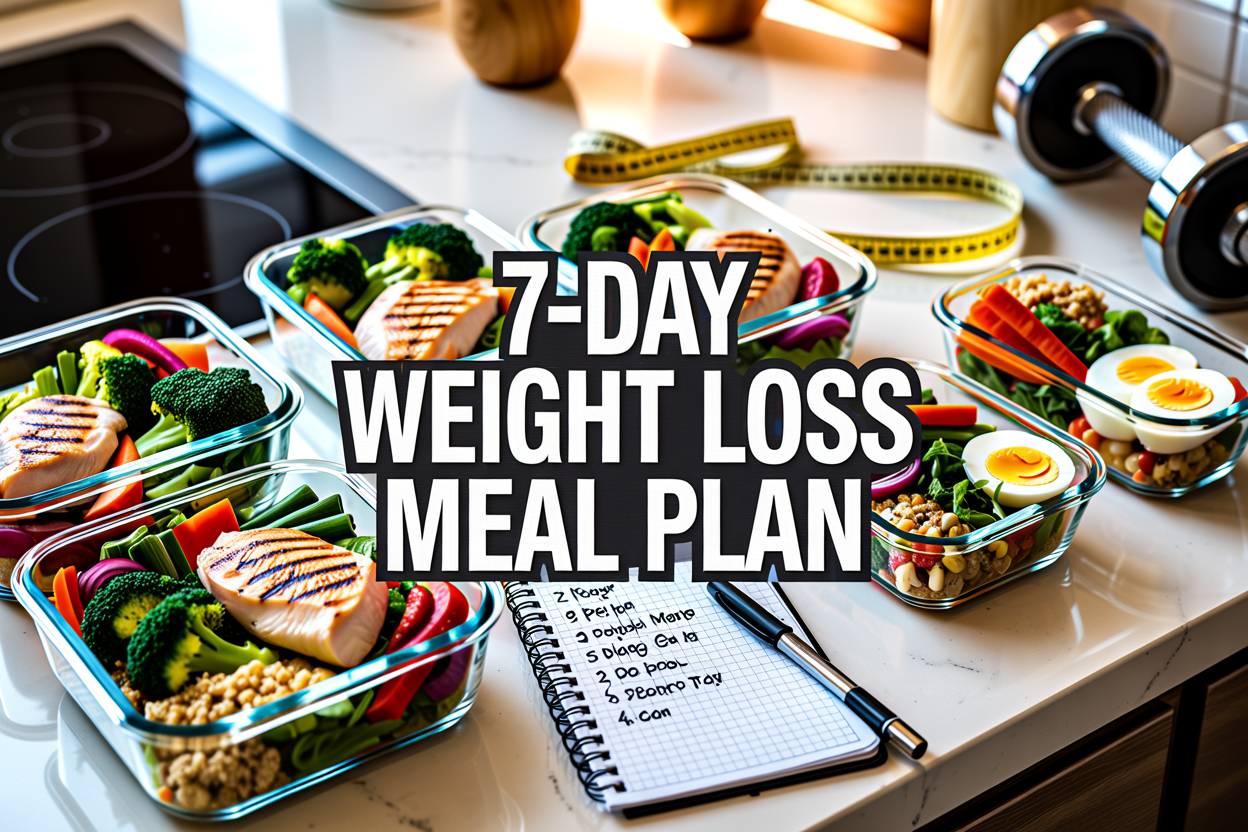
The Ultimate Weight Loss Meal Plan for Sustainable Fat Loss
If you’ve tried cutting calories, only to end up tired, hungry, and right back where you started, you’re not alone. Most weight loss plans fail because they focus on restriction instead of building habits that actually stick.
This guide is for you if you’re done with crash diets and ready to lose fat in a way that lasts. Whether you’re just starting out or you’ve been going in circles for a while, a structured weight loss meal plan built around real food and smart habits is the missing piece.
Here’s what you’ll find inside:
- Why protein is your biggest advantage for fat loss, and exactly how much you need each day
- A complete 7-day weight loss meal plan with balanced, satisfying meals that keep hunger in check
- Simple meal prep strategies and lifestyle habits that make the whole plan easy to follow week after week
No gimmicks. No starvation. Just a straightforward, sustainable fat loss diet you can actually live with.
Understanding the Basics of Sustainable Weight Loss
How a Calorie Deficit Drives Fat Loss Without Deprivation
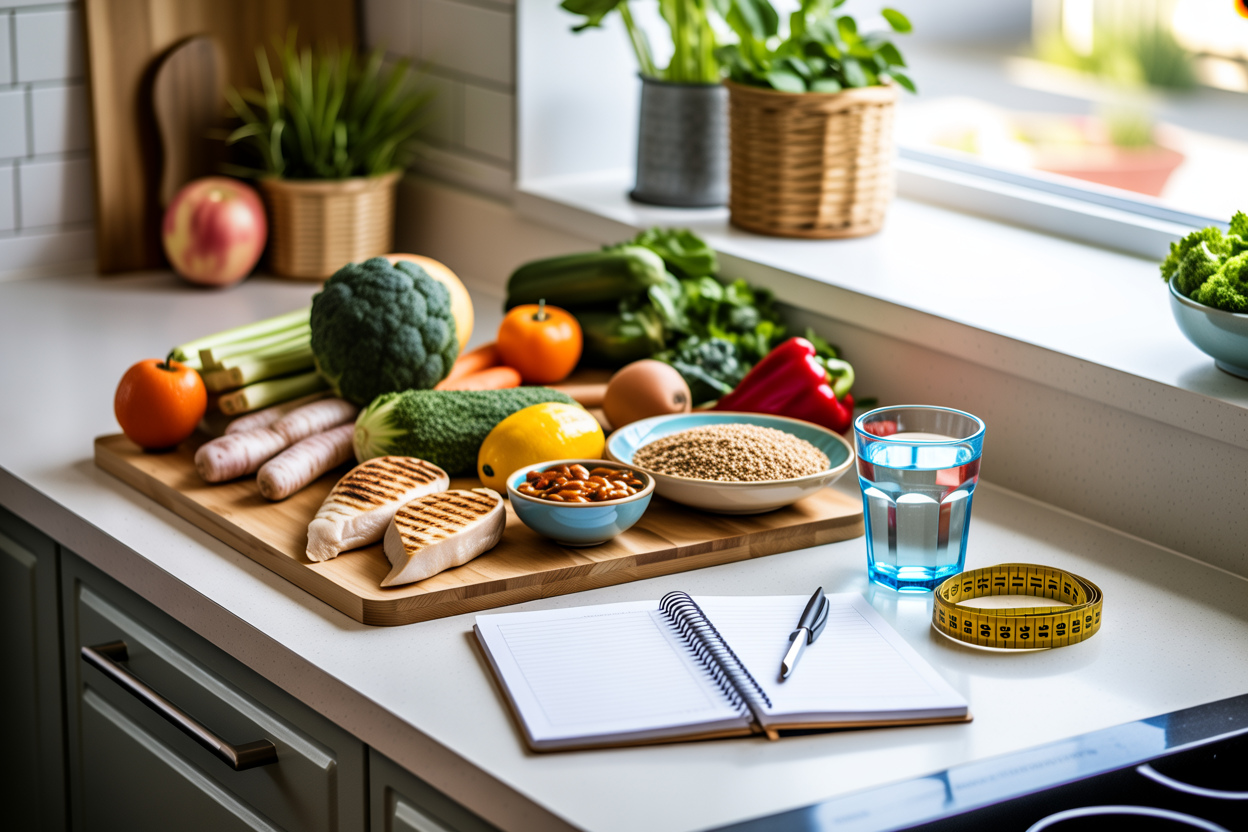
When it comes to building a successful weight loss meal plan, the foundation starts with one non-negotiable principle: a calorie deficit. Simply put, your body loses fat when it consistently uses more energy than it takes in from food and beverages. However, achieving this deficit does not have to mean starving yourself or feeling miserable every day.
The key distinction between short-term dieting and sustainable fat loss lies in how you approach that deficit. Crash diets that slash calories dramatically may produce quick results on the scale, but research consistently shows that people who lose weight at a gradual, steady pace — about 1 to 2 pounds per week — are significantly more likely to keep the weight off long term. Rushing the process by setting unrealistic targets, such as losing 20 pounds in two weeks, often leads to feelings of defeat and frustration, making it far harder to stay on track.
Instead, your goal should be to create a modest, manageable calorie deficit that your body can sustain without triggering intense hunger or energy crashes. This approach keeps you feeling satisfied while still moving toward your fat loss goals. Tracking what you eat and drink, even for just a few days using a food diary or a tracking app, can be a powerful first step. It gives you a clear, honest picture of your current habits and helps you identify small, realistic changes you can start making right away.
What makes this approach feel less like deprivation is focusing not just on eating less, but on eating smarter — which brings us to the next critical piece of the puzzle.
Why Nutrition Quality Matters as Much as Calorie Count
While a calorie deficit is necessary for fat loss, treating every calorie as identical would be a significant mistake. The quality of the food you eat plays a major role in how your body responds to your healthy eating for fat loss plan. Two people consuming the same number of calories can have very different outcomes depending on where those calories come from.
A lifestyle built around good nutrition supports not just a healthy weight, but also better energy levels, mood, sleep quality, and long-term disease prevention. Even modest weight loss — as little as 5% of your body weight — can measurably improve blood pressure, cholesterol, and blood sugar levels, reducing your risk for conditions like heart disease, prediabetes, and type 2 diabetes. This means that how you lose weight sustainably has profound health implications far beyond just the number on the scale.
Nutrition quality also directly affects how full and energized you feel within your calorie budget. Highly processed foods tend to be calorie-dense but nutrient-poor, leaving you hungry again quickly and making it much harder to maintain your deficit without discomfort. Whole, nutrient-rich foods, on the other hand, help you feel satisfied for longer while fueling your body with what it actually needs to function at its best.
With this in mind, here is a closer look at what that means in practical terms:
| Food Type | Effect on Satiety | Effect on Nutrition Quality |
|---|---|---|
| Whole foods (vegetables, lean proteins, legumes) | High – keeps you fuller longer | High – rich in vitamins, minerals, fiber |
| Ultra-processed foods (chips, sugary snacks) | Low – short-lived fullness | Low – empty calories, minimal nutrients |
| Refined carbohydrates (white bread, pastries) | Moderate to low | Low – quick energy spike and crash |
| Complex carbohydrates (oats, brown rice, quinoa) | High | High – steady energy, fiber-rich |
By prioritizing food quality, you naturally make your calorie deficit easier to maintain — not through willpower alone, but because your body is genuinely nourished.
Key Food Groups to Include for Balanced, Lasting Results
Now that you understand both the calorie and quality side of the equation, the next step is knowing which specific food groups to build your weight loss meal plan around. A balanced approach that incorporates a variety of whole food groups gives your body the full spectrum of nutrients it needs for energy, recovery, and metabolic health.
Your meals should regularly include foods from the following core groups:
Lean Proteins
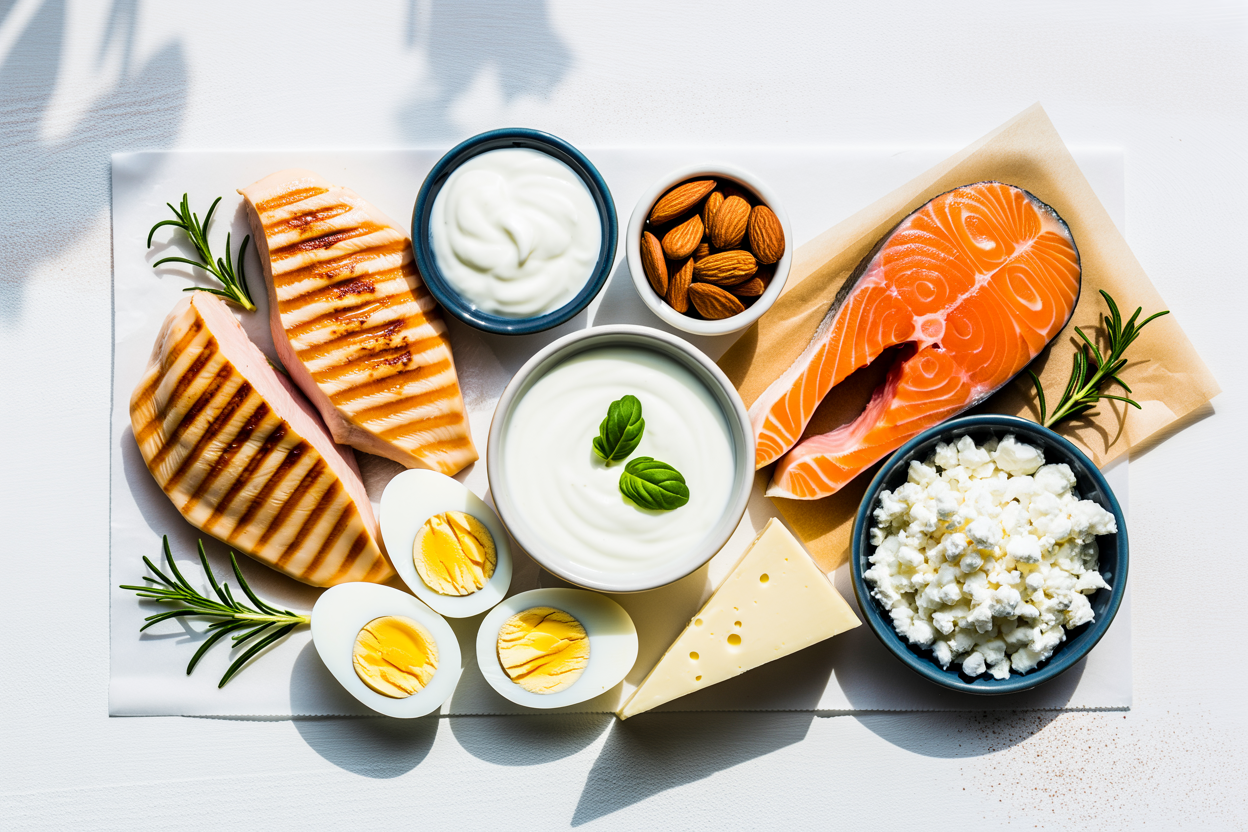
Protein is essential for preserving muscle mass while in a calorie deficit. It is also the most satiating macronutrient, meaning it keeps you feeling full and satisfied for longer after meals. Sources like chicken breast, turkey, eggs, fish, legumes, and low-fat dairy should form a cornerstone of your high protein meal plan for weight loss.
Vegetables
Non-starchy vegetables — such as leafy greens, broccoli, peppers, cucumbers, and zucchini — are incredibly low in calories but high in fiber, water content, vitamins, and minerals. They add volume to your meals, making your plate look and feel substantial even within a calorie deficit. Aim to include a vegetable with every meal as a consistent, non-negotiable habit.
Complex Carbohydrates
Carbohydrates are not the enemy. The right carbohydrates — oats, brown rice, sweet potatoes, quinoa, and whole grain bread — provide steady, sustained energy and support proper digestive function through their fiber content. These are the best foods for fat loss when it comes to keeping your energy stable and your cravings manageable throughout the day.
Healthy Fats
Foods like avocado, nuts, seeds, and olive oil provide essential fatty acids that support hormone function, brain health, and the absorption of fat-soluble vitamins. While calorie-dense, small portions of healthy fats contribute to meal satisfaction and make your eating plan far more enjoyable and sustainable over the long term.
Hydrating Beverages
What you drink matters just as much as what you eat. Swapping sugary drinks — sodas, juices, sweetened coffees — for water is one of the simplest, most impactful small changes you can make. Staying well-hydrated also supports your metabolism and helps manage hunger, as thirst is frequently mistaken for hunger.
Here is a quick reference for building balanced meals:
- Protein source — lean meat, fish, eggs, legumes, or low-fat dairy
- Vegetable — at least one non-starchy vegetable per meal
- Complex carbohydrate — whole grains, starchy vegetables like sweet potato
- Healthy fat — a small portion of nuts, seeds, avocado, or olive oil
- Hydration — water, herbal teas, or other low-calorie beverages
By consistently choosing from these food groups, you build meals that naturally support a sustainable fat loss diet — not by following rigid, restrictive rules, but by crowding your plate with foods that nourish, satisfy, and fuel your goals. With this in mind, next, we’ll see exactly how protein takes center stage as the most powerful single tool you have for accelerating your results.
Why Protein Is the Most Powerful Tool for Fat Loss
How Protein Keeps You Fuller for Longer and Reduces Cravings
One of the most powerful reasons to build your weight loss meal plan around protein is its remarkable ability to control hunger at a hormonal level. When you eat protein, your body responds by increasing the levels of satiety hormones — specifically GLP-1, peptide YY, and cholecystokinin — while simultaneously lowering ghrelin, the hormone that signals hunger to your brain.
What this means for you in practical terms is that by simply shifting more of your daily calories toward protein, you can feel genuinely satisfied after meals without white-knuckling your way through cravings. In one study, increasing protein to just 30% of total calorie intake caused participants to automatically eat 441 fewer calories per day — without counting a single calorie or restricting any specific food group. That kind of effortless reduction in intake is a game-changer for sustainable fat loss.
This appetite-suppressing effect also means protein works on both sides of the energy equation — helping you eat less while also helping you burn more. When you follow a high-protein meal plan for weight loss, you’re not fighting your biology; you’re working with it.
Preserving Lean Muscle While Shedding Body Fat
Here’s a critical truth that many people overlook: when you lose weight, you don’t automatically lose only fat. Without adequate protein, a significant portion of your weight loss can come from lean muscle mass — and that’s the last thing you want.
Losing muscle has two serious consequences for your fat loss journey:
- It slows your metabolism, meaning you burn fewer calories at rest.
- It makes the weight easier to regain, since muscle is your body’s most metabolically active tissue.
Eating sufficient protein helps protect your lean muscle while your body taps into stored fat for energy. Research suggests that to reduce muscle loss during a calorie deficit, you may need to increase your protein intake from the standard 0.80 grams per kilogram of body weight up to 1.0–1.2 grams per kilogram. For a 175-pound person, that translates to roughly 80–95 grams of protein per day.
When you combine a high-protein diet with strength training, you create the ideal environment for what is often called “body recomposition” — losing fat while maintaining (or even building) the muscle that keeps your metabolism running efficiently. This is precisely why protein intake for weight loss isn’t just about the scale; it’s about the quality of the weight you’re losing.
Boosting Metabolism Through the Thermic Effect of Protein
You may not have heard of the thermic effect of food, but once you understand it, you’ll see exactly why protein gives your sustainable fat loss diet such a powerful metabolic edge.
Every time you eat, your body burns calories to digest, absorb, and process the nutrients in your food. This is known as the thermic effect of food (TEF). Here’s how the three macronutrients compare:
| Macronutrient | Thermic Effect (Calories Burned During Digestion) |
|---|---|
| Protein | 20–30% |
| Carbohydrates | 5–10% |
| Fat | 0–3% |
What this table tells you is striking. If you eat 100 calories worth of protein, your body burns up to 30 of those calories just processing it — leaving only 70 usable calories. Compare that to fat, where virtually all 100 calories are available for use or storage.
This metabolic advantage compounds over time. A high-protein diet has been shown to boost your resting energy expenditure — meaning you burn more calories around the clock, including while you sleep. In one small study, overfeeding on a high-protein diet increased daily calorie burning by 260 calories. While that number may vary, the principle is consistent: more protein in your diet means a higher metabolic rate throughout the day.
When you build your meals around protein-rich foods like chicken, fish, eggs, Greek yogurt, legumes, and cottage cheese, you’re essentially giving your metabolism a natural boost with every single meal.
Stabilizing Blood Sugar to Prevent Energy Crashes and Overeating
Now that we’ve covered protein’s thermic advantage, it’s equally important to understand how protein influences your blood sugar — and why that matters deeply for anyone trying to lose weight sustainably.
When you eat meals high in refined carbohydrates and low in protein, your blood sugar spikes rapidly and then crashes just as fast. That crash is what triggers intense hunger, sugar cravings, and the kind of energy dips that send you reaching for processed snacks between meals. Over time, these cycles of spiking and crashing blood sugar make overeating almost inevitable.
Protein helps break this cycle. A high-protein intake is associated with healthier blood sugar levels because protein slows the digestion and absorption of food, resulting in a more gradual and stable rise in blood glucose. This means:
- Fewer energy crashes that leave you tired and irritable
- Reduced cravings for sugary or high-calorie foods
- More consistent energy levels throughout the day, making it easier to stay on track with your healthy eating for fat loss goals
It’s also worth noting that stabilizing blood sugar is particularly valuable for people managing or preventing diabetes and high blood pressure — conditions that are both closely linked to excess body weight. However, if you have kidney issues, it’s important to consult a healthcare professional before significantly increasing your protein intake, as high protein consumption may not be appropriate for everyone.
With this in mind, building each meal around a quality protein source — whether that’s lean beef, salmon, tofu, lentils, or eggs — isn’t just a weight loss strategy. It’s a foundational habit that supports your overall metabolic health, keeps your appetite in check, and sets you up for the kind of consistent, day-after-day eating pattern that makes lasting fat loss possible.
How Much Protein You Actually Need for Effective Weight Loss
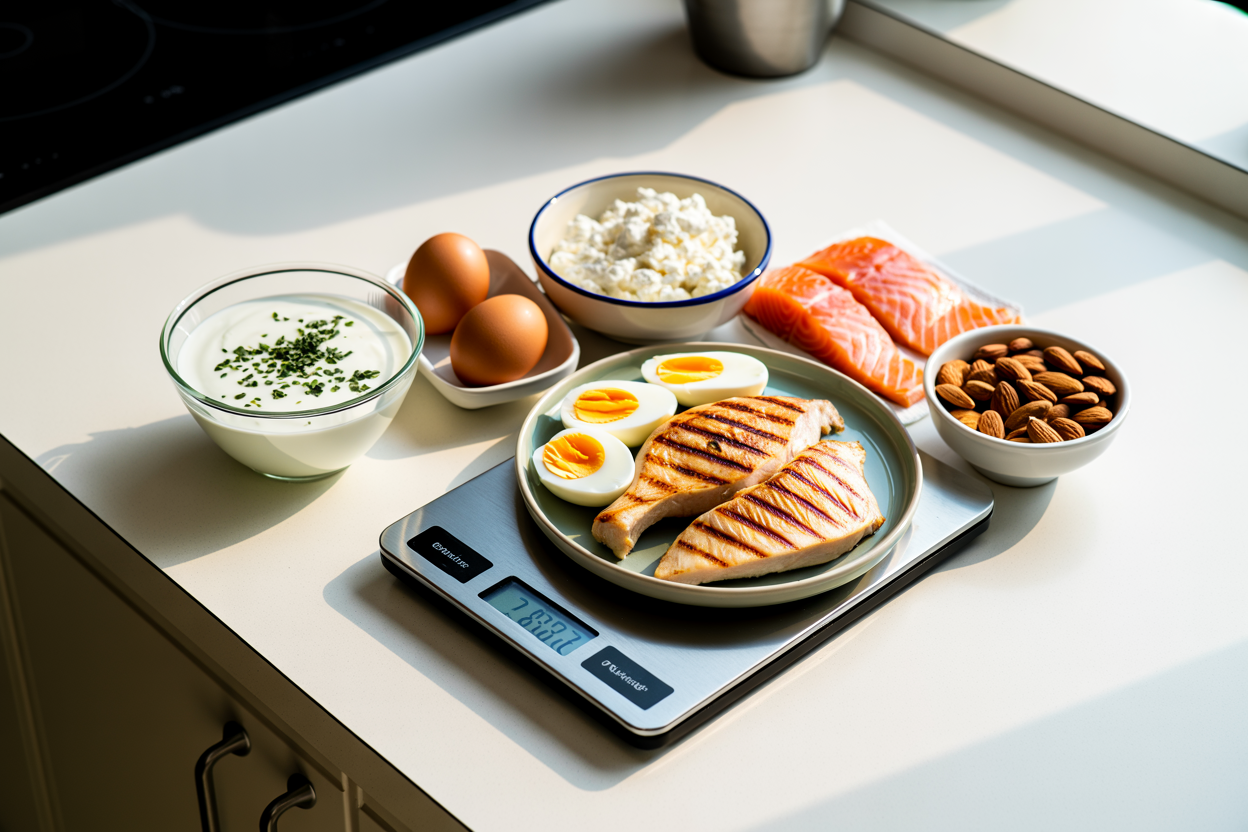
Calculating Your Daily Protein Target Based on Body Weight
Now that we’ve established why protein is such a powerful driver of fat loss, the next logical question is: exactly how much do you need? The answer isn’t one-size-fits-all, but science gives us a very clear and actionable range to work with.
The general guideline for anyone pursuing a high protein meal plan for weight loss is to aim for 1.6 to 2.2 grams of protein per kilogram of body weight per day — or roughly 0.73 to 1 gram per pound. This range is strongly supported by multiple lines of research and is considered the sweet spot for promoting fat loss while protecting your lean muscle mass.
Here’s a simple breakdown of what that looks like in practice:
| Your Body Weight (lbs) | Your Body Weight (kg) | Daily Protein Target (g) |
|---|---|---|
| 130 lbs | ~59 kg | 94 – 130 g |
| 150 lbs | ~68 kg | 109 – 150 g |
| 175 lbs | ~79 kg | 125 – 174 g |
| 200 lbs | ~91 kg | 145 – 200 g |
| 225 lbs | ~102 kg | 163 – 224 g |
To calculate your personal target, simply multiply your weight in pounds by 0.73 (for the lower end) and 1.0 (for the upper end). This gives you a practical daily range to hit.
One important caveat: if you carry a BMI over 30 or a body fat percentage above 25–30%, basing your protein target on your current body weight may overestimate your needs. In this case, it’s more accurate and effective to base your calculations on your goal body weight instead. This approach keeps your protein intake aligned with the lean mass you’re trying to build and protect, rather than the excess fat you’re trying to lose.
It’s also worth knowing why this range matters beyond a round number. Research comparing low protein intake (around 1.0 g/kg/day) to higher intakes (2.3 g/kg/day) during caloric restriction found that the low-protein group lost significantly more muscle mass — about 1.6 kg on average — compared to the high-protein group, who lost only 0.3 kg. Muscle is your metabolic engine, and losing it makes sustainable fat loss dramatically harder. Hitting your protein target is how you protect it.
Adjusting Intake for Activity Level and Health Goals
With your baseline protein target established, the next step is to fine-tune that number based on how active you are and what your specific goals look like. Your protein intake for weight loss isn’t static — it should reflect the demands you’re placing on your body.
If you’re an athlete or a heavy exerciser, your protein needs climb considerably. For people training intensively and still aiming for fat loss, the recommended range jumps to 2.2 to 3.4 grams of protein per kilogram of body weight — or 1.0 to 1.5 grams per pound. The reasoning is straightforward: intense training creates greater muscle breakdown, and your body requires more protein both to recover and to preserve lean mass while in a calorie deficit.
Here’s a quick reference for adjusting your intake based on activity level:
| Activity Level | Daily Protein Target |
|---|---|
| Sedentary to lightly active | 1.6 – 2.0 g/kg (0.73 – 0.91 g/lb) |
| Moderately active (3–4x/week training) | 2.0 – 2.2 g/kg (0.91 – 1.0 g/lb) |
| Heavy exerciser / Athlete | 2.2 – 3.4 g/kg (1.0 – 1.5 g/lb) |
Beyond activity level, there are a few other factors worth considering when dialing in your intake:
- Age: If you’re a woman aged 65 or older, research suggests you may need at least 1.3 g/kg/day to help prevent age-related muscle loss, which accelerates as you get older and can significantly slow your metabolism.
- Preserving strength while losing fat: Studies show that consuming up to 2.0 g/kg/day can be particularly effective at promoting strength maintenance and preventing muscle degeneration during a caloric deficit.
- Upper limits: Research consistently shows that consuming beyond 2.4 g/kg/day (about 1.1 g/lb) doesn’t appear to deliver additional fat loss or muscle-sparing benefits over intakes around 1.6 g/kg/day. So while there’s no need to obsess over exceeding your target by a small margin, dramatically exceeding it won’t fast-track your results either.
One more practical tip: spread your protein intake evenly throughout the day rather than front-loading or back-loading it into one or two meals. Research supports distributing protein across meals to maximize muscle protein synthesis and keep hunger controlled throughout the day — both of which are critical pillars of a sustainable fat loss diet.
With this in mind, next we’ll see exactly how to put these numbers into action with a complete 7-day weight loss meal plan built around these targets.
Your Complete 7-Day Weight Loss Meal Plan
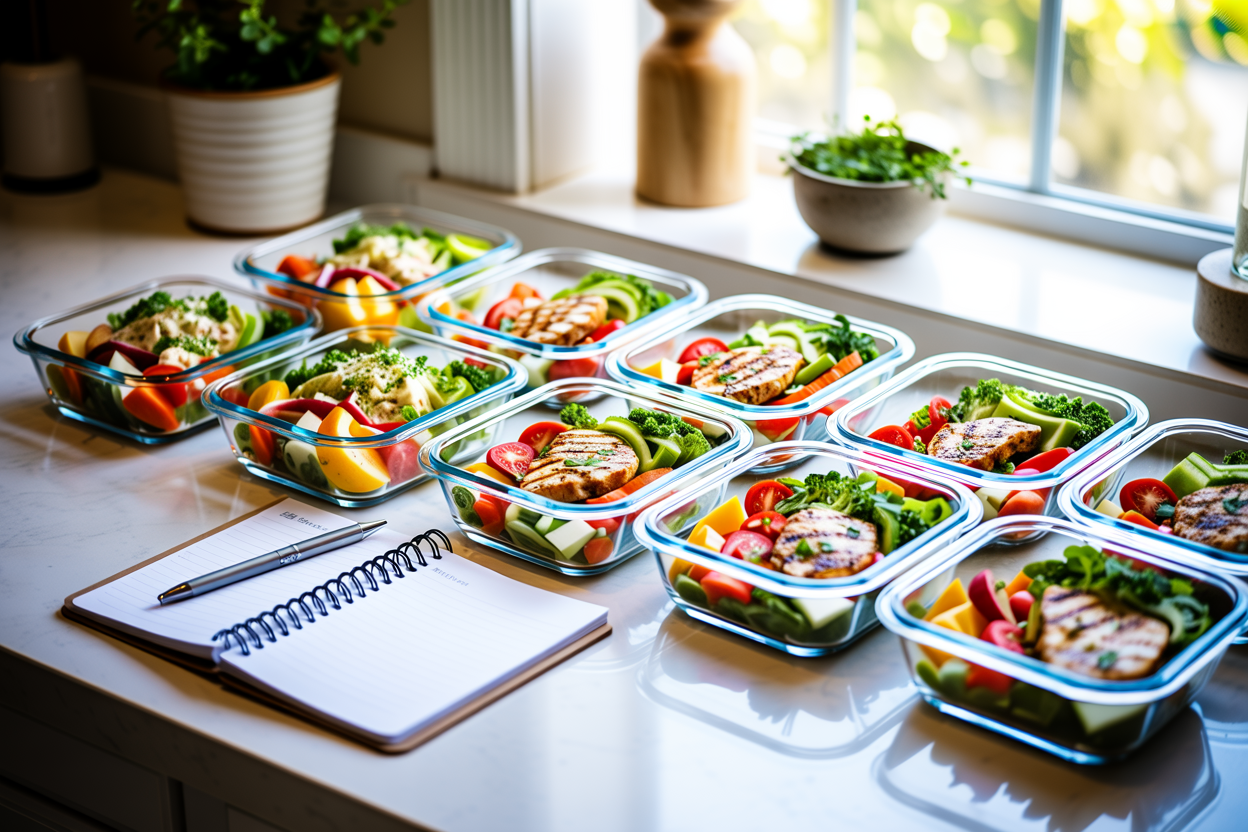
Day 1: Balanced Meals to Start the Week Clean
Starting your week with intention sets the tone for everything that follows. On Day 1, your goal is simple: keep things clean, balanced, and satisfying so you build early momentum on your 7-day weight loss meal plan.
Here’s what your Monday looks like:
| Meal | What to Eat |
|---|---|
| Breakfast | Scrambled eggs (3) with spinach and a slice of whole-grain toast |
| Lunch | Grilled chicken breast with a large mixed salad and olive oil dressing |
| Dinner | Baked salmon with steamed broccoli and half a cup of brown rice |
| Snack | Greek yogurt with a handful of mixed berries |
This first day pairs lean proteins like eggs, chicken, and salmon with fiber-rich vegetables and complex carbohydrates. You’re not cutting everything out — you’re crowding out the bad with the good.
Day 2: High-Protein Options to Build Healthy Habits
Now that you’ve completed Day 1 cleanly, Day 2 is about reinforcing that momentum by stacking high-protein choices throughout the day. Repetition builds habit, and habit builds results.
| Meal | What to Eat |
|---|---|
| Breakfast | Protein oats made with milk, topped with a scoop of protein powder and banana slices |
| Lunch | Turkey lettuce wraps with avocado, tomato, and mustard |
| Dinner | Lean ground beef stir-fry with bell peppers, zucchini, and a small portion of noodles |
| Snack | A boiled egg and a handful of almonds |
Notice how every single eating occasion includes a protein source. That’s not accidental — this structure is what keeps your hunger stable, your energy levels consistent, and your high-protein meal plan for weight loss working the way it’s supposed to. The combination of eggs, turkey, ground beef, and almonds means you’re meeting your protein targets across the day without relying on any single heavy meal.
Day 3: Midweek Meals That Sustain Momentum
Midweek is often where most plans start to crack. Life gets busy, motivation dips slightly, and convenience starts to win over quality. Your Day 3 meals are designed to keep things interesting while remaining completely practical.
| Meal | What to Eat |
|---|---|
| Breakfast | Cottage cheese bowl with cucumber, cherry tomatoes, and black pepper |
| Lunch | Tuna salad stuffed in a whole-grain pita with mixed greens |
| Dinner | Baked chicken thighs (skinless) with roasted sweet potato and asparagus |
| Snack | A protein shake or a small portion of edamame |
The cottage cheese breakfast is a smart move on a busy Wednesday. It requires almost no preparation and delivers a meaningful amount of protein before your day even gets started. Meanwhile, the skinless chicken thighs at dinner give you more flavor than a breast would, without the excess fat that would come from leaving the skin on. Paired with roasted sweet potato and asparagus, this is a genuinely satisfying plate that supports your sustainable fat loss diet goals.
Day 4: Consistent Choices to Stay on Track
With this in mind, Day 4 is all about consistency. You don’t need to eat something exciting every day — you need to eat something that works. Thursday’s meals are dependable, filling, and balanced.
| Meal | What to Eat |
|---|---|
| Breakfast | Two egg whites plus one whole egg omelette with mushrooms and feta |
| Lunch | Lentil soup with a side of whole-grain crackers and a small salad |
| Dinner | Grilled white fish with cauliflower rice and green beans |
| Snack | Low-fat string cheese and a small apple |
The combination of egg whites and one whole egg in your omelette is a smart balance — you get the volume and protein of whites with the nutrition and satiety of the whole yolk. Lentil soup at lunch introduces plant-based protein and a significant amount of fiber, which helps you feel full without loading up on calories. By dinner, grilled white fish over cauliflower rice keeps things light and effective, making this one of the most calorie-conscious days of the week without ever feeling restrictive.
Day 5: Satisfying Meals to Finish the Weekdays Strong
You’ve made it to Friday, and your best foods for fat loss are going to carry you across the finish line of your workweek. Day 5 is about rewarding your consistency with meals that feel satisfying — not just functional.
| Meal | What to Eat |
|---|---|
| Breakfast | Smoothie with protein powder, frozen berries, spinach, and almond milk |
| Lunch | Grilled chicken Caesar salad with light dressing |
| Dinner | Turkey meatballs with marinara sauce over zucchini noodles |
| Snack | Rice cakes with two tablespoons of almond butter |
The Friday dinner is a standout. Turkey meatballs with marinara over zucchini noodles gives you all the comfort of a pasta dish with a fraction of the carbohydrates — and a significantly higher protein content. It’s the kind of meal that makes your healthy eating for fat loss feel genuinely enjoyable rather than like a sacrifice. The almond butter on rice cakes as a snack adds healthy fat and keeps afternoon hunger completely at bay.
Day 6: A Flexible Approach That Still Prioritizes Protein
Weekends introduce a real-world challenge that your plan needs to accommodate. Day 6 takes a slightly more flexible approach, but protein stays front and center no matter what.
| Meal | What to Eat |
|---|---|
| Breakfast | Veggie-packed egg muffins (great to prep the night before) |
| Lunch | A grilled protein bowl with rice, beans, salsa, and shredded chicken |
| Dinner | If eating out: choose grilled over fried, skip the bread basket, and order a protein-rich main |
| Snack | Dark chocolate with a small handful of walnuts |
The dinner guidance for Saturday is particularly useful. You’re not being told to avoid restaurants — you’re being given a practical framework for navigating them. Grilled over fried, protein-first ordering, and skipping the bread basket are three simple decisions that keep your meal plan for weight loss intact even when you’re not in full control of your kitchen. This is how sustainable fat loss really works: it bends without breaking.
The dark chocolate and walnuts snack also deserves recognition. It’s a genuinely enjoyable treat that satisfies a sweet craving while still delivering healthy fat and antioxidants. It proves that this plan isn’t about deprivation.
Day 7: Light, Nourishing Meals to Recover and Reflect
Previously, you’ve pushed through a full six days of structured, high-protein eating. Day 7 is your opportunity to wind down, nourish your body gently, and set yourself up for the week ahead.
| Meal | What to Eat |
|---|---|
| Breakfast | Protein pancakes made with oats, banana, and eggs |
| Lunch | Leftovers from the week paired with a fresh salad |
| Dinner | A light, nourishing soup with white beans, kale, and lean chicken broth |
Sunday’s meals are intentionally lighter and more restorative. The protein pancakes give you a breakfast that feels like a weekend treat while still delivering solid nutrition. Using leftovers at lunch is both practical and efficient — nothing goes to waste, and you’re reinforcing the habits you’ve already built across the week.
The white bean, kale, and chicken broth soup at dinner is the perfect close to your 7-day weight loss meal plan. It’s warm, easy to digest, high in fiber, and still rich in plant-based protein from the white beans. After dinner, the single most impactful thing you can do is spend 30 minutes preparing for the week ahead — chopping vegetables, boiling eggs, or cooking a batch of grains. That one habit is what transforms this from a one-week experiment into a genuinely sustainable fat loss diet you can maintain long term.
Here’s a full summary of your complete 7-day plan at a glance:
| Day | Breakfast | Lunch | Dinner | Snack |
|---|---|---|---|---|
| Monday | Scrambled eggs with spinach & whole-grain toast | Grilled chicken & mixed salad | Baked salmon, broccoli, brown rice | Greek yogurt & berries |
| Tuesday | Protein oats with banana | Turkey lettuce wraps with avocado | Lean beef stir-fry with veggies & noodles | Boiled egg & almonds |
| Wednesday | Cottage cheese bowl with veggies | Tuna salad in whole-grain pita | Baked chicken thighs, sweet potato & asparagus | Protein shake or edamame |
| Thursday | Egg white omelette with mushrooms & feta | Lentil soup with crackers & salad | Grilled white fish with cauliflower rice & green beans | String cheese & apple |
| Friday | Berry protein smoothie | Grilled chicken Caesar salad | Turkey meatballs over zucchini noodles | Rice cakes with almond butter |
| Saturday | Veggie egg muffins | Grilled protein bowl | Grilled protein-first restaurant meal | Dark chocolate & walnuts |
| Sunday | Protein pancakes | Leftovers with fresh salad | White bean, kale & chicken broth soup | — |
Smart Meal Prep Strategies to Make the Plan Stick
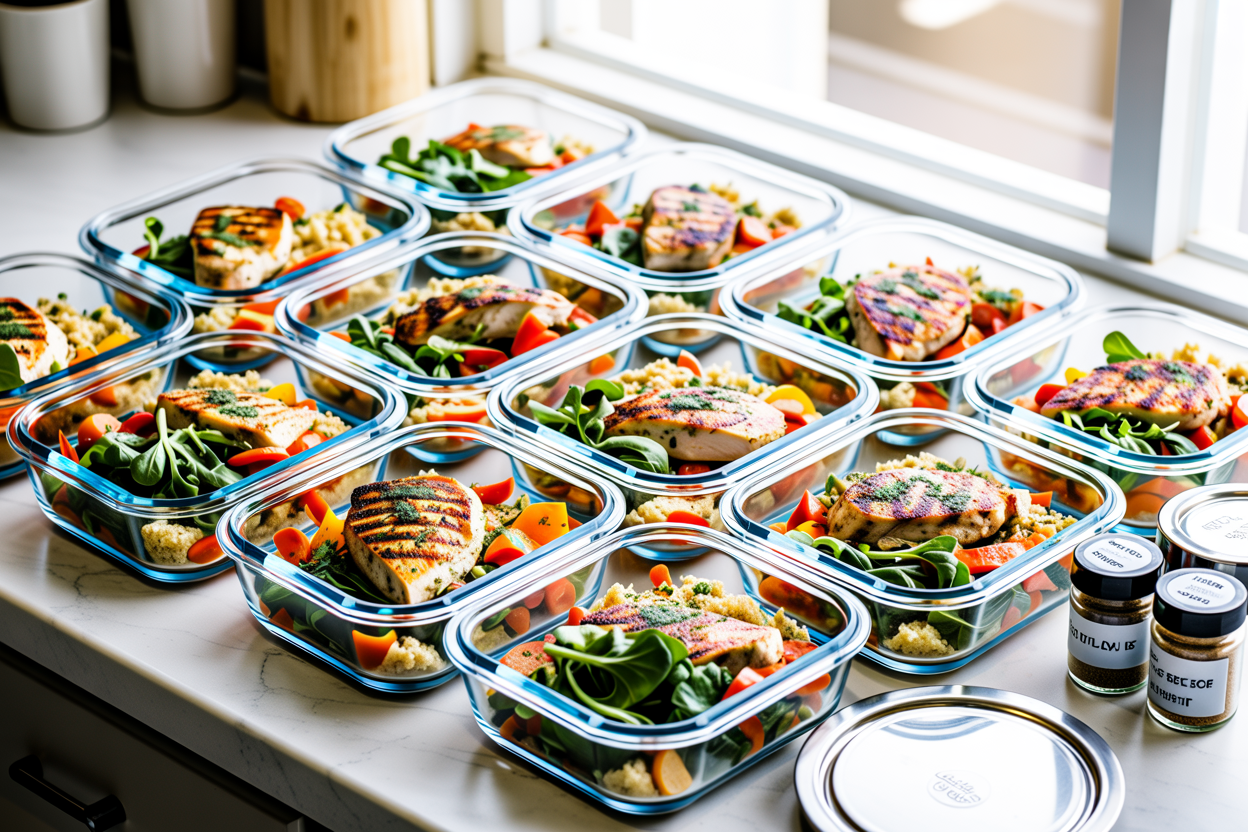
The 90-Minute Sunday System That Sets Up Your Entire Week
Now that you have your 7-day weight loss meal plan in hand, the next challenge is actually executing it consistently. This is where a structured Sunday prep session becomes your most powerful weapon. Setting aside roughly 90 minutes on Sunday to cook, portion, and store your meals for the week ahead eliminates the daily decision fatigue that derails even the most motivated people.
Here’s how to make the most of your 90-minute window:
- Shop the day before (Saturday): Build your grocery list directly from your weekly meal plan. Shopping the perimeter of the store keeps you focused on whole, minimally processed foods — produce, proteins, and dairy — and away from the processed snack aisles. Buying staples like oats, brown rice, quinoa, and canned beans in bulk saves both time and money.
- Batch cook your proteins first: Proteins like chicken breast, lean ground turkey, hard-boiled eggs, and frozen shrimp take the most active attention. Get these going first on the stovetop or in the oven while you prep everything else simultaneously.
- Roast vegetables in large trays: While your proteins cook, load sheet pans with non-starchy vegetables — zucchini, peppers, broccoli, cauliflower, mushrooms — and roast them all at once. This fills roughly half of each meal container with fiber-rich, low-calorie volume food.
- Cook your grains in bulk: A large pot of brown rice, quinoa, or whole grain pasta can serve multiple meals throughout the week. Portion it out once and you won’t need to think about it again.
- Divide everything immediately: The moment cooking is done, divide food into individual containers. Don’t leave a large pot on the stove to serve from later — pre-portioning right away is the habit that keeps your meal prep for weight loss actually working.
Using glass or stainless steel airtight containers in multiple sizes makes storage clean and organized. Label everything with the date so you know what needs to be eaten first versus what should be frozen for later in the week.
What to Cook and Portion in Advance for Grab-and-Go Success
With your Sunday system established, the key question becomes: what exactly should you prepare? The goal is to have components and complete meals ready that travel well, reheat without becoming unappetizing, and keep you full throughout the day.
Here’s a breakdown of what to prioritize for your meal prep for weight loss:
Proteins to Prep in Advance
| Protein Option | Prep Method | Keeps Well (Fridge) |
|---|---|---|
| Chicken breast | Bake or grill in bulk | 3–4 days |
| Lean ground turkey | Cook and season in batches | 3–4 days |
| Hard-boiled eggs | Boil a full dozen | Up to 5 days |
| Canned salmon or tuna | No prep needed | Pantry stable |
| Frozen shrimp | Quick sauté before packing | 3 days |
Vegetables and Fiber-Rich Foods
Fill approximately half of every meal prep container with non-starchy vegetables. Your best grab-and-go options include:
- Roasted broccoli, cauliflower, zucchini, and mushrooms
- Raw spinach or lettuce as a base for grain bowls and salads
- Chopped bell peppers, cucumbers, and carrots for snack containers
- Frozen spinach or broccoli (steam and portion — these cost less and last longer)
Grains and Starchy Vegetables
Prepare a large batch of at least one of the following to serve as your complex carbohydrate base across multiple meals:
- Brown rice
- Quinoa
- Whole grain pasta
- Roasted sweet potatoes or butternut squash
Snacks and Portable Options
Don’t forget to portion your snacks in advance. Pre-portioned snacks prevent the mindless extra spoonfuls that undo your calorie balance. Great grab-and-go snack containers include:
- Bento-style boxes filled with veggie sticks, hummus, a hard-boiled egg, a small handful of almonds, and fresh fruit
- Greek yogurt cups portioned individually with berries already added
- Nut butter packets paired with an apple — a perfect combination of protein, healthy fat, and fiber
- Energy balls prepped in large batches and stored in the freezer
A critical detail: keep calorie-dense dressings, sauces, and oils measured and stored separately. Pouring them directly onto prepped meals can easily add hundreds of unexpected calories. Use herbs, spices, vinegar, and lemon juice as primary flavor boosters and keep heavier condiments on the side.
For meals you won’t eat within three to four days, freeze them immediately after packing. Freezing locks in freshness and gives you a backup reserve for later in the week when time is especially tight.
How Prepped Food Prevents Stress Eating and Poor Choices
Previously, you’ve probably experienced the scenario: it’s 7 p.m., you’re exhausted, and there’s nothing ready to eat. In that moment, your brain defaults to the easiest option available — and that’s rarely a nutritious one. This is exactly the problem that meal prep for weight loss is designed to eliminate.
Research consistently shows that people who engage in regular meal planning have healthier eating habits and a significantly lower likelihood of obesity. The reason is straightforward: when nutritious food is already prepared and waiting for you, you don’t have to rely on willpower in a tired or stressed state.
Here’s how having prepped food actively protects your progress:
It removes decision fatigue. Every day, you make hundreds of small decisions. When hunger hits after a long day and there are no decisions to make — just a pre-portioned container to grab from the fridge — you automatically make the better choice without any mental effort.
It makes the healthy option the convenient option. Junk food and fast food are appealing largely because they require zero preparation. When your prepped meals are equally or more convenient — already cooked, already portioned, ready in two minutes in the microwave — the playing field levels out entirely.
It reduces the likelihood of impulsive eating. People with structured meal plans are far less prone to grabbing processed snacks or ordering takeout when hunger strikes unexpectedly. When your healthy meals for the day are already sorted, there’s no gap where poor choices can sneak in.
It keeps portions honest even when you’re stressed. Stress eating often involves serving from large containers without paying attention to quantity. Pre-portioned containers eliminate this entirely. Your serving size is already determined — you simply eat what’s in front of you.
It protects your diet quality on your hardest days. Meal prep isn’t just useful on average days — it’s most critical on your busiest, most stressful, most exhausting days. Those are exactly the days when your sustainable fat loss diet is most at risk. Having grab-and-go meals ready means your worst days don’t automatically become your worst eating days.
With this in mind, think of your Sunday prep session not as a cooking task but as an act of self-care and planning that future-you will be genuinely grateful for. The 90 minutes you invest on Sunday pays dividends every single day of the week, quietly protecting your high protein meal plan for weight loss from the chaos of daily life and keeping your momentum toward sustainable fat loss firmly on track.
Lifestyle Habits That Maximize Your Weight Loss Results

Staying Hydrated to Support Metabolism and Appetite Control
One of the simplest yet most overlooked weight loss lifestyle habits you can adopt is drinking enough water every day. Proper hydration directly supports your metabolism, helping your body process nutrients and burn energy more efficiently. Beyond metabolism, staying hydrated plays a powerful role in appetite control — and here’s why that matters for your sustainable fat loss diet: thirst is frequently mistaken for hunger.
That’s right. When you feel a sudden urge to snack between meals, your body might actually be signaling dehydration rather than a genuine need for calories. By keeping a water bottle close throughout the day and making hydration a non-negotiable habit, you can prevent unnecessary calorie intake and stay more aligned with your weight loss meal plan.
Make it a point to drink water consistently — before meals, during workouts, and throughout the day — rather than waiting until you feel thirsty. This small shift in your daily routine can have a surprisingly significant impact on how well you manage hunger and how effectively your body supports fat loss.
Using Regular Exercise to Accelerate Fat Loss
Now that we’ve covered hydration, let’s look at what consistent physical activity can do for your results. Exercise is one of the most powerful tools in your weight loss arsenal, and when paired with a healthy eating plan for fat loss, it can dramatically accelerate your progress.
According to evidence-based recommendations, you should aim for at least 150 minutes of physical activity per week. This can include:
- Brisk walking
- Swimming
- Cycling
- Strength training
Each of these modalities helps boost your metabolism and supports long-term fat loss. However, it’s important to exercise smartly, not just intensely. Doing too much cardiovascular training can actually raise your cortisol levels, which works against fat loss rather than supporting it.
Instead, consider incorporating High-Intensity Interval Training (HIIT) into your routine. The approach is straightforward:
| Phase | Duration |
|---|---|
| Sprint as hard as you can | 30 seconds |
| Rest | 4–6 minutes |
| Repeat | 4 times |
This method is efficient, effective, and helps you lose more fat in less time compared to prolonged, steady-state cardio.
Beyond structured workouts, your daily movement matters too. Getting up from your seat every 30 minutes, going for a short walk after meals, or even dancing to music you love — all of these activities keep your body active and contribute to your overall calorie burn. The key is to find types of movement you genuinely enjoy, so that staying active becomes a sustainable part of your lifestyle rather than a chore you dread.
Prioritizing Sleep to Regulate Hunger Hormones
With your hydration and exercise habits in place, the next weight loss lifestyle habit you absolutely cannot ignore is sleep. The connection between sleep and fat loss is direct and biological — and skimping on rest can quietly sabotage even the most disciplined weight loss meal plan.
Here’s what happens when you don’t sleep enough: your body increases production of ghrelin, the hormone that signals hunger, while simultaneously reducing levels of leptin, the hormone that tells you you’re full. The result? You wake up feeling hungrier than you should, reach for fast carbohydrates and sugary foods, and consume far more calories than your plan allows.
On the other hand, when you prioritize quality sleep — aiming for the recommended 7 to 9 hours per night — your hunger hormones stay balanced, your cravings become easier to manage, and your body has the time it needs to repair and function optimally throughout the day.
Here are practical steps to improve your sleep quality and support your fat loss goals:
- Set a consistent bedtime and wake time — even on weekends
- Limit screen time before bed to reduce blue light exposure
- Keep your bedroom cool and dark for better sleep conditions
- Avoid caffeine in the late afternoon and evening
- Reduce stress before bed, since elevated stress interferes with restful sleep
It’s also worth noting that stress management ties directly into sleep quality. High stress raises your cortisol levels, which stimulates appetite — particularly cravings for sweets and high-fat foods. By managing stress and improving your sleep simultaneously, you create a hormonal environment in your body that actively supports fat loss rather than working against it.
Avoiding Processed Foods to Keep Calories Clean and Nutritious
Previously, the blog outlined a complete 7-day weight loss meal plan built around whole, nutrient-dense foods. This section brings that principle full circle: avoiding processed foods is one of the most impactful habits you can build into your daily lifestyle for long-term, sustainable fat loss.
Processed foods — think packaged cereals, convenience snacks, fried foods, sweets, and sugary drinks — are typically energy-dense but low in nutritional value. They’re high in saturated fat and sugar, digest quickly, spike your blood glucose, and leave you feeling hungry again sooner than whole foods would. Over time, regularly consuming these foods leads to excess calorie accumulation and weight gain.
The solution is to focus your shopping and eating habits around whole, minimally processed foods. A practical strategy is to shop the perimeter of the supermarket, where fresh fruits, vegetables, lean meats, and fish are found, rather than the center aisles that are stocked with heavily processed products.
When building your plate with best foods for fat loss, follow these principles:
- Half your plate: Vegetables and fruit
- One quarter: Lean, high-quality protein (grass-fed meats, poultry, eggs)
- One quarter: Whole grains or low-glycemic carbohydrates (such as sweet potatoes)
- A small portion: Healthy fats and dairy
Also, pay attention to what you snack on between meals. High-calorie snacks like fried foods, sweets, and alcoholic beverages are energy-dense without being filling, meaning they add significant calories without contributing to satiety or nutrition. Replacing these with whole fruits, vegetables, or protein-rich options helps keep your calorie intake clean and in line with your healthy eating plan for fat loss.
By making a consistent effort to eliminate processed foods from your kitchen and your plate, you naturally align your diet with the kind of whole-food nutrition that supports sustainable weight loss — without the need to obsessively count every calorie. Stock your shelves with real food, cook more meals at home using your meal prep strategies, and let the quality of what you eat do the heavy lifting for your fat loss goals.
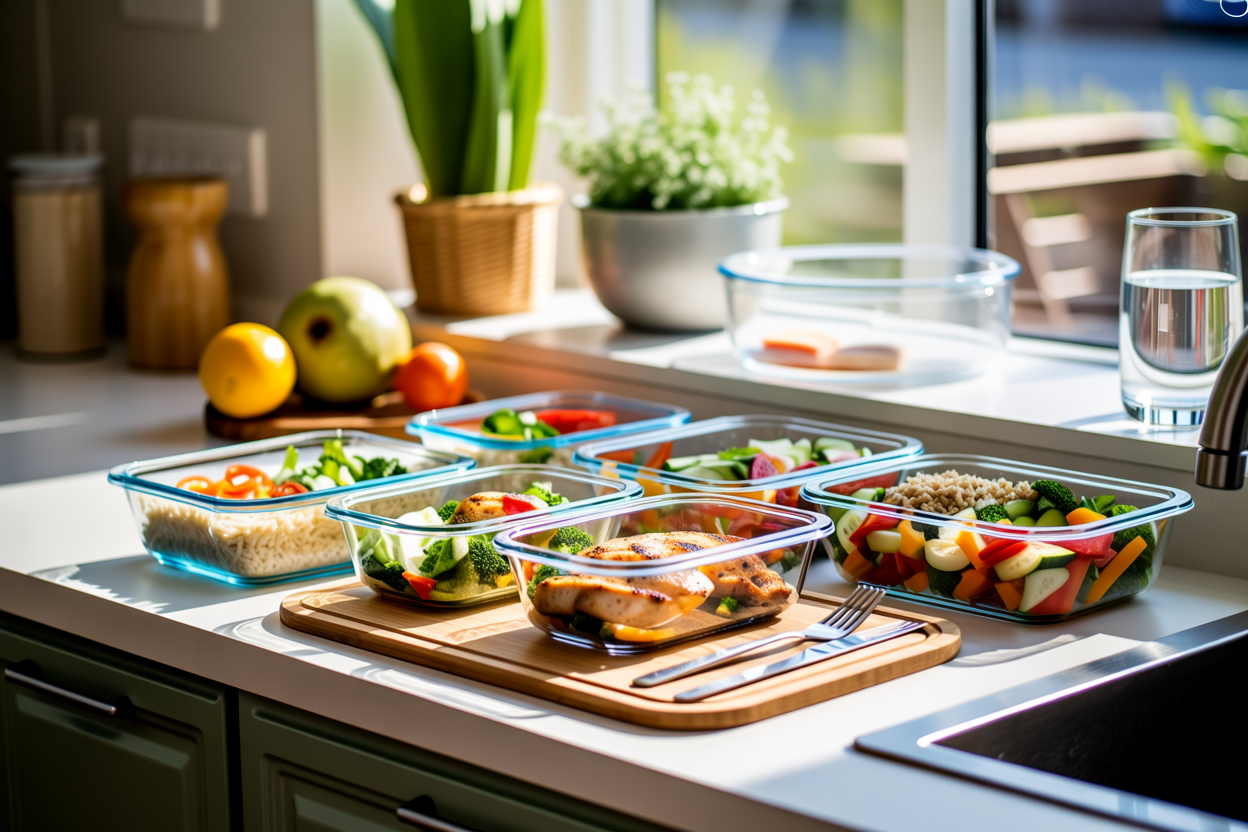
Sustainable fat loss doesn’t require extreme restrictions or complicated rules. It comes down to understanding the basics — eating in a calorie deficit, prioritizing protein to preserve muscle and control hunger, knowing how much protein your body actually needs, and following a structured 7-day meal plan that makes healthy eating feel manageable. Pair that with smart meal prep strategies and supportive lifestyle habits like staying hydrated, getting enough sleep, and staying active, and you have everything you need to make real, lasting progress.
The most important step is simply getting started. Use the 7-day meal plan as your roadmap, spend some time on Sunday prepping your meals for the week, and build the small daily habits that keep you consistent even when life gets busy. Weight loss doesn’t happen overnight, but with the right plan in place, every meal you make becomes a step closer to your goal. You’ve got everything you need — now it’s time to put it into action.