Best Diet Plans: A Complete Guide to Choosing the Right Diet

Best Diet Plans: A Complete Guide to Choosing the Right Diet
Scrolling through diet advice online can feel overwhelming fast. One article tells you to cut carbs, another says eat more fat, and a third swears by fasting. So what actually works?
Here’s the honest answer: there’s no single best diet plan for everyone. The right choice depends on your health goals, daily routine, food preferences, and what you can realistically stick to long term. That said, some diets are backed by solid science, and others simply aren’t.
This guide is for anyone ready to cut through the noise — beginners exploring healthy eating plans for weight loss, people managing a health condition, or anyone tired of hopping between diets that never last.
Here’s what you’ll find inside:
- Why your body and lifestyle should drive your diet choice — and why copying what worked for someone else often backfires
- Top evidence-based diets backed by science — including the Mediterranean and DASH diets, plus a breakdown of popular low-carb and high-fat options like keto
- How to spot diets that waste your time — and why working with a professional can seriously improve your odds of long-term success
Let’s get into it.
Why No Single Diet Works for Everyone

How Health Goals Shape Your Ideal Eating Plan
One of the most fundamental reasons no single diet works for everyone is that people come to the table — quite literally — with entirely different goals. Someone seeking healthy eating plans for weight loss has vastly different nutritional priorities than someone managing a chronic metabolic condition, building athletic performance, or simply trying to maintain energy levels throughout the day.
The science of Nutritional Genomics makes this point with striking clarity. Research in this field explores how genes, diet, and health outcomes interact in a bidirectional relationship. Your unique genetic profile influences how your body metabolically responds to specific foods — a concept known as Nutrigenetics. Two people can follow the same personalized diet plan and experience completely different outcomes simply because their bodies process nutrients differently at a genetic level.
This is why the emerging field of personalized nutrition is rapidly dismantling what scientists call the “one-diet-fits-all paradigm.” Rather than prescribing universal rules, personalized nutrition uses genetic composition, gut microbiota data, and lifestyle factors to craft dietary recommendations that align with an individual’s unique biological blueprint. When you understand your health goals in the context of your genetic and metabolic individuality, choosing the right diet becomes a far more targeted and effective process.
The Role of Lifestyle, Culture, and Medical Conditions
Beyond genetics, lifestyle, cultural background, and medical conditions play an equally powerful role in determining which diet will actually work for you. The reference framework of personalized nutrition explicitly accounts for physical activity levels, psychosocial context (including stress and emotional factors), and even environmental contaminants as interacting variables that shape how the body responds to food.
Cultural identity and traditional food systems are especially significant. Research highlights that traditional diets — which are shaped by geography, ethnicity, and centuries of genetic adaptation — carry meaningful health advantages. Human genomes have adapted to local food environments over time, meaning traditional staple foods have literally influenced DNA. When people shift away from these culturally rooted diets toward modern, ultra-processed alternatives, the result is often what researchers describe as an “evolutionary mismatch” — a disconnect between the foods the body is genetically prepared to process and the foods it is actually consuming. This mismatch is directly linked to rising rates of chronic diseases.
A powerful illustration of this comes from research on traditional Mexican diets. The traditional dietary pattern — built around Mesoamerican staples like maize, beans, chili, squash, tomato, chia, pumpkin seeds, amaranth, prickly pears, and cacao — aligns with the genetic adaptations of the population and has been associated with reduced metabolic disorder risk. When modern, obesity-promoting food environments replaced these traditional staples with ultra-processed, non-native foods, rates of obesity and related comorbidities increased significantly.
This example illustrates a broader principle: food culture is not merely a preference — it is a health variable. A diet plan that ignores a person’s cultural food heritage is not just harder to sustain; it may actively conflict with their genetic predispositions.
Medical conditions add yet another layer of complexity. The gut microbiome — which is entirely unique to every individual — plays a direct role in how the body processes food, absorbs nutrients, and even regulates hunger hormones. An imbalanced gut microbiome can disrupt hunger signals, increase cravings, cause digestive discomfort, and make it harder to feel satisfied after meals. This means two individuals following identical evidence-based diets may experience radically different results based purely on the state of their gut health.
Key lifestyle and biological factors that shape diet suitability include:
- Genetic polymorphisms (e.g., variations in genes affecting folate metabolism, lipid transport, or taste perception)
- Gut microbiome composition, which affects nutrient absorption and hunger regulation
- Physical activity levels, which alter macronutrient and caloric needs
- Stress and sleep quality, which influence hormonal responses to food
- Cultural food traditions, which carry both genetic alignment and psychological comfort
- Pre-existing medical conditions, which may require specific dietary modifications
With this in mind, it becomes clear that evaluating the best diet plans requires looking well beyond calorie counts and macronutrient ratios.
Why Long-Term Sustainability Matters Most
Even the most scientifically validated diet delivers no benefit if a person cannot maintain it over time. Sustainable success in nutrition requires a comprehensive approach that considers not just what you eat, but how your entire lifestyle supports that eating pattern.
Research consistently reinforces that supporting long-term dietary adherence involves multiple interconnected pillars:
| Pillar | Why It Matters |
|---|---|
| Nutritional quality | Provides the biological foundation for health outcomes |
| Gut health support | Consuming fiber-rich foods, fruits, and vegetables maintains microbiome balance |
| Hydration | Supports digestion and metabolic function |
| Stress management | Reduces hormonally driven cravings and overeating |
| Consistent sleep | Regulates hunger hormones and energy balance |
| Consistent eating habits | Stabilizes blood sugar and reduces impulsive food choices |
A diet plan for beginners or experienced health-seekers alike must be realistic within the context of a person’s daily life. A nutritionally perfect plan that demands ingredients unavailable in someone’s community, ignores their cultural food preferences, or requires time and resources they don’t have is effectively not a plan at all — it is an aspiration with an expiration date.
This is precisely why personalized nutrition places sustainability and eco-friendliness as core principles, not afterthoughts. Personalized diet plans are designed not only to match individual genetic and health needs but also to remain practically executable over the long term.
The implication for anyone evaluating how to choose the right diet is straightforward: the best diet is not the one with the most impressive short-term results — it is the one you can maintain consistently while supporting your broader health, lifestyle, and cultural identity. Dramatic restriction, cultural disconnection, and unsupported lifestyle demands are among the fastest routes to dietary failure, regardless of how well the plan performs in clinical studies.
Now that we have covered why individual differences make universal diets ineffective, the next sections will explore specific evidence-based diets that have demonstrated strong scientific support — keeping in mind that even among these, individual fit remains the deciding factor.
Top Evidence-Based Diets Backed by Science
A. Mediterranean Diet: The Gold Standard for Overall Health
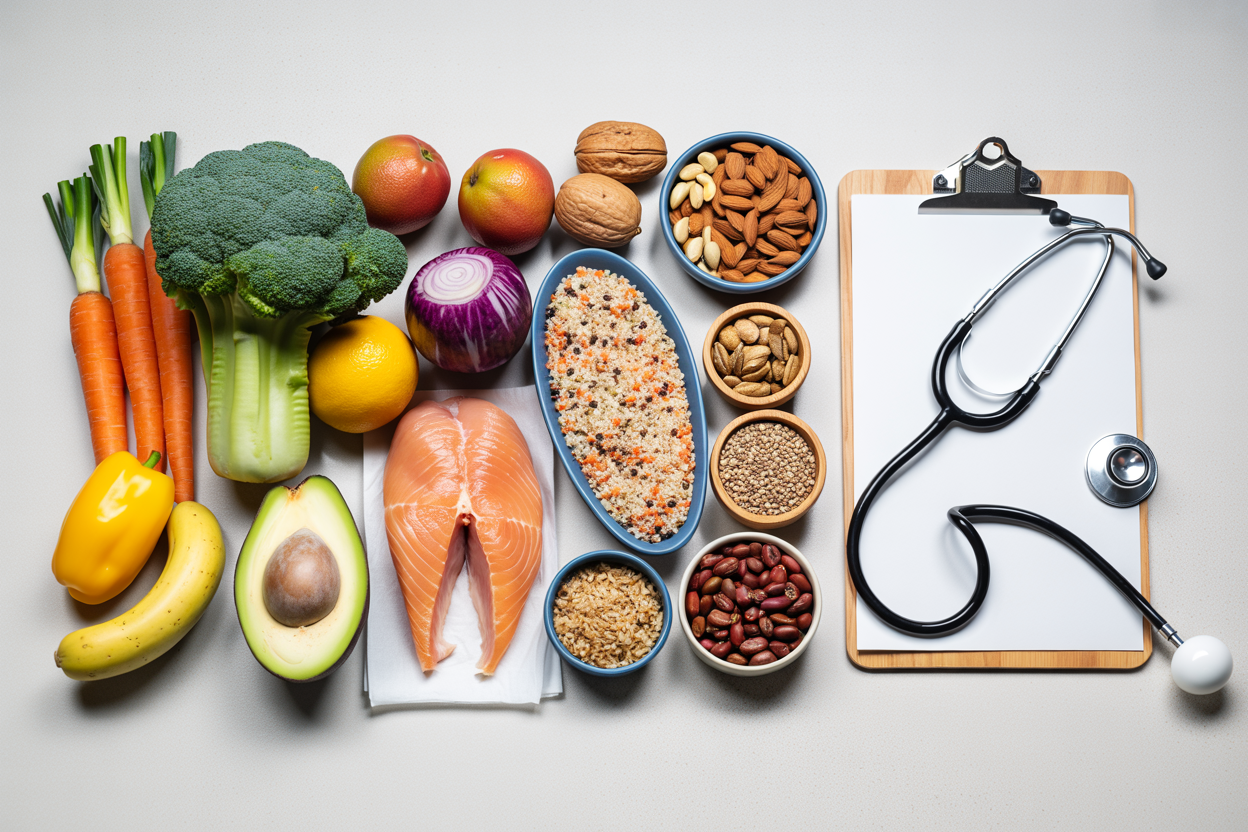
When looking at the best diet plans backed by rigorous research, the Mediterranean diet consistently rises to the top. It has been thoroughly studied and is widely regarded as one of the most effective evidence-based diets for promoting long-term health. Unlike many restrictive diets that eliminate entire food groups, the Mediterranean diet is built around abundance and variety, making it one of the most sustainable healthy eating plans available.
The diet emphasizes foods commonly consumed around the Mediterranean region during the 20th century and earlier. These include:
- Vegetables and fruits in generous portions
- Whole grains such as barley, oats, and whole wheat
- Fish and poultry as primary protein sources
- Legumes like lentils and chickpeas
- Dairy products in moderate amounts
- Extra virgin olive oil as the main source of fat
- Nuts and seeds for healthy fats and nutrients
What makes the Mediterranean diet stand out among top diets backed by science is its particular effectiveness for heart disease prevention. Research has consistently shown that following this dietary pattern reduces cardiovascular risk factors, including high blood pressure and poor cholesterol levels. It is not based on the complete restriction of any specific food group; rather, it is characterized by a richness of plant-based foods and moderate consumption of other nutrient-dense options.
For anyone searching for a personalized diet plan that is both flexible and grounded in science, the Mediterranean diet offers a compelling, enjoyable, and evidence-supported approach to healthy eating.
B. DASH Diet: Lower Blood Pressure and Boost Heart Health
The DASH diet — Dietary Approaches to Stop Hypertension — is another nutritionist-recommended diet with strong scientific credentials. Originally designed to help individuals manage and lower high blood pressure, it has since been recognized as a broadly beneficial eating plan for overall cardiovascular health.
Like the Mediterranean diet, it prioritizes whole, nutrient-dense foods while limiting those known to raise blood pressure, such as high-sodium processed foods. Key principles of the DASH diet include:
- High intake of fruits and vegetables
- Whole grains over refined carbohydrates
- Low-fat dairy products
- Lean proteins, including fish, poultry, and legumes
- Limited sodium, red meat, sweets, and sugary beverages
The DASH diet aligns with what researchers identify as an approach that achieves meaningful reductions in both blood pressure and cardiovascular risk factors. Studies referenced in scientific literature highlight that weight loss of 5% to 10% combined with dietary quality improvements — exactly what DASH targets — can produce clinically relevant health improvements, including reductions in blood glucose and triglycerides.
For individuals with hypertension or those at elevated risk of heart disease, the DASH diet represents one of the most soundly constructed healthy eating plans for weight loss and cardiometabolic improvement.
C. MIND Diet: Protect Brain Health and Reduce Cognitive Decline
With this in mind, next, we’ll look at a diet specifically engineered to protect one of your most vital organs — your brain. The MIND diet, which stands for Mediterranean-DASH Intervention for Neurodegenerative Delay, is a hybrid of the Mediterranean and DASH diets, strategically adapted to emphasize foods with demonstrated benefits for brain health.
The MIND diet focuses on ten brain-healthy food groups and limits five food groups that may be harmful to cognitive health. Foods encouraged on the MIND diet include:
| Brain-Healthy Foods to Eat | Foods to Limit |
|---|---|
| Green leafy vegetables | Red meat |
| Other vegetables | Butter and margarine |
| Nuts | Cheese |
| Berries | Pastries and sweets |
| Beans | Fried or fast food |
| Whole grains | |
| Fish | |
| Poultry | |
| Olive oil | |
| Wine (in moderation) |
By drawing on the strengths of two of the most evidence-based diets in the world, the MIND diet carries a particularly strong scientific foundation. Researchers have observed that consistent adherence to this pattern is associated with a reduced rate of cognitive decline — a benefit that extends well beyond simple weight management.
For anyone interested in a personalized diet plan that simultaneously supports heart health and brain longevity, the MIND diet offers a uniquely targeted, dual-purpose approach.
D. Plant-Based and Flexitarian Diets: Benefits Beyond Weight Loss
Previously, I’ve outlined diets with a strong cardiovascular and neurological focus. Now, let’s look at plant-based and flexitarian approaches — a category of evidence-based diets with a growing body of scientific support and wide-ranging health benefits.
Vegan and plant-based diets are built exclusively on plant foods and eliminate all animal products. Research has linked these diets to a number of significant health benefits, including:
- Weight loss — systematic reviews and meta-analyses have shown consistent reductions in body weight in clinical trials of vegetarian diets
- Improved heart health — plant-based eating patterns reduce LDL cholesterol and cardiovascular risk
- Better blood sugar control — particularly relevant for individuals managing or at risk of type 2 diabetes
- Increased satiety — studies show that high-protein vegetarian diets (e.g., soy-based) provide appetite control comparable to meat-based high-protein diets
The flexitarian diet takes a more moderate, less rigid approach. Rather than eliminating animal products entirely, it encourages a predominantly plant-based eating pattern while allowing for occasional consumption of meat, fish, or dairy. This flexibility makes it more sustainable for many people and removes the all-or-nothing pressure associated with strict vegan eating.
Key characteristics of plant-based and flexitarian diets include:
- Heavy reliance on vegetables, fruits, legumes, whole grains, and nuts
- Minimal or no processed foods
- Reduction or elimination of animal products
- Focus on nutrient density over calorie restriction
Scientific literature confirms that adherence is one of the most important predictors of dietary success. The flexitarian approach scores well on adherence measures precisely because it is inclusive and adaptable to individual food preferences, cultural traditions, and food availability — all of which are documented factors influencing long-term dietary compliance.
For diet plans beginners who want to move toward a healthier eating pattern without fully eliminating foods they enjoy, the flexitarian diet may be one of the most practical and scientifically grounded entry points into plant-forward eating. Whether your goal is weight management, improved metabolic health, or reducing your risk of chronic disease, plant-based and flexitarian diets deliver measurable benefits that go well beyond the number on the scale.
Popular Low-Carb and High-Fat Diets Explained
Ketogenic Diet: Rapid Weight Loss and Metabolic Benefits
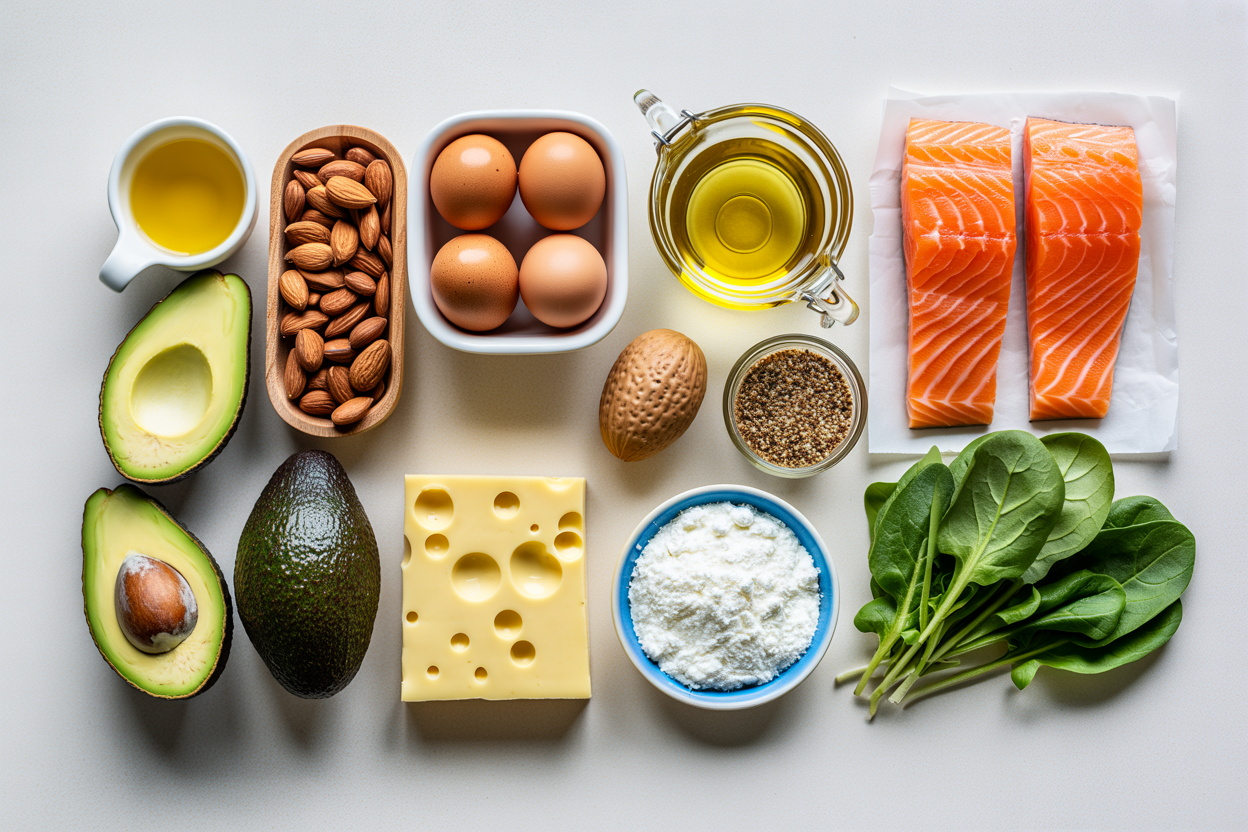
Among all the low-carb and high-fat diet plans available today, the ketogenic diet stands out as one of the most structured and metabolically transformative approaches. It is a specific type of low-carb, high-fat (LCHF) diet with a precise macronutrient breakdown: 75% fat, 20% protein, and only 5% carbohydrates. This strict ratio is designed to push the body into a state called ketosis, where it switches from burning carbohydrates for fuel to burning fat instead.
How Ketosis Drives Weight Loss
When carbohydrate intake drops this low, the liver begins converting fat into ketone bodies, which serve as an alternative energy source for the brain and body. This metabolic shift has significant implications for weight loss. Research shows that 88% of participants following a ketogenic diet lost more than 10% of their initial body weight and kept it off for a full year — a result that is notably difficult to achieve with many conventional diets.
Metabolic and Health Benefits of the Ketogenic Diet
Beyond weight loss, the ketogenic diet has been associated with a wide range of metabolic benefits:
- Blood sugar control: Studies in obese adults with type 2 diabetes found that following a ketogenic diet for 24 weeks led to significant reductions in blood sugar levels, and some participants were even able to discontinue their diabetes medications completely.
- Neurological benefits: The ketogenic diet has long been used as a natural treatment for epilepsy. Additionally, research has shown that it can improve cognitive functioning in patients with Alzheimer’s disease.
- Cardiovascular markers: LCHF diets, including keto, have been shown to reduce triglycerides, improve HDL cholesterol, decrease LDL cholesterol, and lower levels of C-reactive protein — a key marker of inflammation linked to heart disease.
Who Should Be Cautious
Despite its benefits, the ketogenic diet is not appropriate for everyone. It is not recommended for children, teens, or pregnant and breastfeeding women unless used under medical supervision for therapeutic purposes. Individuals with conditions affecting the kidneys, liver, or pancreas should also consult a doctor before starting. Some people may experience initial side effects — often called the “keto flu” — including fatigue, headaches, nausea, dizziness, and constipation, most of which are temporary and manageable by increasing non-starchy vegetable intake for fiber support.
Low-Carb Diets (Atkins, LCHF): How They Burn Fat Faster
Now that we have covered the highly structured ketogenic approach, it’s worth exploring the broader landscape of low-carb, high-fat diets — particularly the Atkins diet and the general LCHF (Low-Carb, High-Fat) lifestyle — which offer more flexibility while still delivering powerful fat-burning results.
Understanding the LCHF Framework
The LCHF diet, sometimes called the “Banting Diet” after British dieter William Banting who popularized it through significant personal weight loss, is centered on reducing carbohydrate intake and replacing those calories with healthy fats. Unlike the ketogenic diet, the LCHF framework does not enforce a single macronutrient ratio. Daily carbohydrate intake can range from under 20 grams to as much as 100 grams, making it one of the more adaptable healthy eating plans for weight loss available.
Foods emphasized on the LCHF diet include:
| Food Category | Examples |
|---|---|
| Proteins | Eggs, fish, poultry, red meat |
| Healthy fats | Olive oil, coconut oil, avocado oil |
| Fatty fish | Salmon, sardines, trout |
| Full-fat dairy | Butter, cheese, full-fat yogurt |
| Non-starchy vegetables | Broccoli, cauliflower, leafy greens, peppers |
| Nuts and seeds | Almonds, walnuts, pumpkin seeds |
| Fruits (limited) | Berries — blueberries, raspberries, strawberries |
Foods restricted or avoided include sugary drinks, bread, pasta, rice, starchy vegetables, sweeteners, and highly processed packaged items labeled “low-fat” or “diet,” which are often loaded with added sugars.
The Atkins Diet: A Structured LCHF Approach
The Atkins diet is one of the most well-known types of LCHF diets. It begins with a strict two-week induction phase that limits carbohydrate intake to just 20 grams per day — similar to the ketogenic diet — before gradually reintroducing carbohydrates in subsequent phases. This phased approach can be effective for jumpstarting fat loss while offering a pathway toward a more sustainable long-term eating pattern.
Why Low-Carb Diets Burn Fat Faster
Multiple studies support the effectiveness of low-carb, high-fat diets for accelerating fat loss. Key mechanisms include:
- Appetite suppression: Very low-carb diets have been shown to significantly reduce cravings for carbohydrates and starches while also reducing overall hunger levels — a powerful advantage for anyone who has struggled with calorie control.
- Reduced insulin resistance: Lowering carbohydrate intake improves the body’s sensitivity to insulin, which directly supports fat metabolism.
- Visceral fat reduction: A Harvard Health-reported study found that obese adults aged 60–75 who followed an LCHF diet (10% carbs, 65% fat, 25% protein) for eight weeks lost significantly more visceral fat — the dangerous deep abdominal fat surrounding internal organs — compared to a control group. They also saw improvements in insulin resistance and cholesterol levels.
- Long-term weight maintenance: A review of very low-carb diets (under 50 grams of carbs per day) found that participants achieved significantly greater long-term weight reductions compared to those following low-fat diets.
With this in mind, the flexibility of the LCHF approach makes it particularly valuable as a personalized diet plan — some individuals thrive at under 50 grams of carbs per day, while others find success at closer to 100 grams.
Paleo Diet: Whole Foods Approach with Short-Term Benefits
Previously, we’ve explored diets that specifically manipulate macronutrient ratios to shift metabolism. The Paleo diet takes a different — though philosophically related — approach by focusing on the types of foods consumed rather than strict macronutrient percentages.
The Core Philosophy of the Paleo Diet
The Paleo diet draws its principles from the eating patterns of our Paleolithic ancestors, emphasizing whole, unprocessed foods and eliminating anything that would not have existed before modern agriculture and food processing. This naturally results in a diet that is lower in carbohydrates and higher in protein and fat, sharing some overlap with broader LCHF principles.
Paleo-approved foods typically include:
- Proteins: Grass-fed meats, wild-caught fish, eggs, and poultry
- Fats: Nuts, seeds, avocados, and natural oils
- Vegetables: Non-starchy vegetables and leafy greens
- Fruits: Whole fruits in moderation
Foods excluded on the Paleo diet include grains, legumes, refined sugars, dairy products, and all processed foods — categories that are central to the modern Western diet.
Short-Term Benefits Rooted in Whole Food Eating
The Paleo diet’s emphasis on whole, unprocessed foods aligns closely with the LCHF framework’s principles. By eliminating added sugars, refined grains, and highly processed packaged items, followers naturally reduce their carbohydrate load and avoid the blood sugar spikes associated with processed food consumption. The diet encourages high fiber intake through vegetables, which supports digestive health and satiety.
Like the broader LCHF approach, the Paleo diet can be used as an effective tool for:
- Reducing overall calorie intake through food quality improvements
- Eliminating processed foods and added sugars
- Increasing protein intake, which supports muscle preservation during weight loss
- Reducing inflammation through whole-food nutrient density
However, it is worth noting that the Paleo diet’s long-term benefits remain less established than those of more extensively studied low-carb diets. Its restrictive nature — particularly the elimination of entire food groups like dairy and legumes — may make it harder to maintain as a permanent lifestyle change for many individuals.
Is the Paleo Diet Right for You?
The Paleo diet works best for individuals who prefer a food-quality-first approach rather than strict carbohydrate counting. It functions as an excellent entry point into a low-carb diet guide framework for beginners who find macronutrient tracking overwhelming but can commit to cutting out processed foods and refined sugars. For those seeking a personalized diet plan, the Paleo approach can also be adapted — some followers incorporate moderate amounts of dairy or legumes depending on individual tolerance and health goals.
Other Popular Diet Approaches Worth Considering
A. Intermittent Fasting: Simple Eating Windows for Weight Loss
Now that we’ve covered the evidence-based and low-carb diet landscape, it’s worth exploring other popular diet approaches that have gained significant traction among people looking for flexible, sustainable weight management strategies.
Intermittent fasting (IF) is less about what you eat and more about when you eat. This distinction makes it uniquely appealing for people who want a simplified approach without overhauling their entire pantry. There are three widely practiced methods:
- Alternate-day fasting: Fast every other day
- 5:2 method: Eat normally five days a week, then fast or sharply restrict calories on two days
- Time-restricted eating: Choose a six- to eight-hour daily eating window, fasting for 16 to 18 hours each day
Recent research, including a study published in the BMJ, suggests intermittent fasting may be as effective as traditional calorie-cutting for weight loss. A 2025 study in Annals of Internal Medicine also found that the 4:3 plan — eating freely four days a week and restricting calories for three days — outperformed nonintervention diets in reducing body weight.
That said, intermittent fasting isn’t a universal fit. It may not be appropriate for people with diabetes, those on medications that require food, or individuals with health conditions that demand regular meals. There are also concerns about overeating during eating windows, which can undermine progress. More research is still needed on its long-term sustainability and cardiovascular health effects.
| IF Method | Schedule | Best For |
|---|---|---|
| Alternate-Day Fasting | Fast every other day | Structured routine seekers |
| 5:2 | Fast 2 days, eat freely 5 | Flexible lifestyles |
| Time-Restricted Eating | 6–8 hour eating window daily | Simplified daily approach |
| 4:3 | Fast 3 days, eat freely 4 | More aggressive weight loss goals |
B. Volumetrics Diet: Eat More, Weigh Less with Low-Calorie Foods
The Volumetrics Diet flips the conventional dieting mindset on its head. Rather than focusing on what to eliminate, it centers on eating more — specifically, high-volume, low-calorie-density foods that promote satiety without excessive caloric intake.
The core principle is straightforward: foods with high water content and fiber — think fruits, vegetables, broth-based soups, and whole grains — take up more space in your stomach while delivering fewer calories. This naturally reduces overall calorie consumption without the psychological burden of deprivation.
Key advantages of Volumetrics include:
- Satiety without starvation: Filling foods keep hunger at bay for longer
- Flexible food choices: No rigid restrictions on entire food groups
- Science-backed foundation: Built around the relationship between calorie density and fullness
- Sustainable long-term: Because you’re not cutting calories drastically, energy levels remain stable
This approach is particularly well-suited for anyone who struggles with portion control or finds themselves constantly hungry on traditional low-calorie diets. By prioritizing fiber-rich, water-dense foods, you naturally crowd out high-calorie processed options without feeling like you’re on a diet at all.
C. WW (Weight Watchers): Flexible Points System for Long-Term Success
WW, formerly known as Weight Watchers, has stood the test of time as one of the most recognized names in the healthy eating plans for weight loss space. Its durability isn’t coincidental — the program is rooted in behavior change, nutritional science, and social support, making it one of the most holistic approaches available.
At the heart of WW is a flexible points system. Foods are assigned point values based on their nutritional profile, and members are given a personalized daily points budget. This system encourages smarter food choices without outright banning any food, which aligns with the evidence-based principle that extreme restriction tends to backfire.
What sets WW apart from many other diet plans for beginners is its emphasis on community and accountability. Members have access to group meetings, digital tools, and peer support — all of which have been shown to improve long-term adherence.
Key features of WW include:
- Personalized points budget based on individual goals and body metrics
- No forbidden foods — all foods fit within the system
- Behavioral focus — encourages mindful eating and habit formation
- Community support — group accountability boosts long-term success
- Holistic approach — addresses movement and overall wellness, not just food
For those seeking a nutritionist recommended diet framework with built-in flexibility and a proven track record, WW remains a strong contender.
D. Mayo Clinic Diet: Lifestyle Change Over Quick Fix
The Mayo Clinic Diet stands out in the crowded diet marketplace because it was developed by one of the most respected medical institutions in the world. Rather than promising rapid results, this program positions itself as a 12-week, evidence-based behavioral science initiative designed to establish healthy habits for life.
The philosophy is grounded in a critical insight that appears repeatedly across the best diet plans: sustainable weight loss comes from lasting lifestyle change, not short-term restriction. The program uses behavioral science principles to help participants identify and replace unhealthy habits with ones that support long-term health.
What makes the Mayo Clinic Diet worth considering:
- Evidence-based structure: Built on behavioral and nutritional science
- 12-week framework: Provides enough time for genuine habit formation
- Focus on lifestyle, not rules: Encourages intrinsic motivation over external compliance
- Comprehensive approach: Addresses eating behaviors, physical activity, and mindset
- Credible source: Backed by the reputation and research of the Mayo Clinic
This diet is especially appealing to those who have tried quick-fix approaches and found them unsustainable. Rather than asking “what can I eat this week,” the Mayo Clinic Diet asks a more meaningful question: “what kind of eater do I want to be for the rest of my life?” With this in mind, it becomes one of the most thoughtful personalized diet plan frameworks available.
E. Whole30 and South Beach Diet: Short-Term Reset vs. Phased Approach
Previously, we’ve discussed diets built around long-term lifestyle shifts. Whole30 and the South Beach Diet take slightly different structural approaches — both involving distinct phases but with differing philosophies about duration and purpose.
Whole30 is designed as a 30-day dietary reset. The premise is to eliminate certain food groups — including sugar, alcohol, grains, legumes, and dairy — for a full month to identify how these foods affect your body. It is not intended as a permanent way of eating but rather as a short-term elimination protocol that helps participants gain awareness of food sensitivities and develop a healthier relationship with food.
Key characteristics of Whole30:
- 30-day elimination period of specific food groups
- Reintroduction phase to identify personal food triggers
- No calorie counting — focus is on food quality
- Strict rules during the 30 days, with no exceptions encouraged
- More of a reset tool than a long-term diet plan
The South Beach Diet, by contrast, takes a phased approach to long-term weight management. It was originally developed as a heart-healthy alternative to strict low-carb diets, progressing through phases that gradually reintroduce carbohydrates as weight loss goals are met.
Key characteristics of the South Beach Diet:
- Phase 1: Strict low-carb period to reduce cravings and jumpstart weight loss
- Phase 2: Gradual reintroduction of healthy carbohydrates
- Phase 3: Maintenance phase for long-term weight management
- Heart-health focus: Emphasizes lean proteins and healthy fats
- More structured than Whole30, with a clear long-term pathway
| Feature | Whole30 | South Beach Diet |
|---|---|---|
| Duration | 30 days (reset) | Long-term, phased |
| Carbohydrate approach | Eliminated entirely | Gradually reintroduced |
| Primary goal | Reset & awareness | Sustained weight loss |
| Calorie counting | No | No |
| Flexibility | Very low during 30 days | Increases with each phase |
| Best for | Identifying food sensitivities | Structured long-term change |
With this comparison in mind, the right choice between these two depends largely on your goals. If you’re seeking a structured short-term reset to break unhealthy food habits, Whole30 offers a clear, time-limited framework. If you want a phased, graduated transition toward a low-carb diet guide that eventually allows more variety, the South Beach Diet provides that progressive roadmap.
Both approaches reflect the broader reality that the best diet plans are not one-size-fits-all solutions — they are tools that work best when matched to individual needs, preferences, and health goals.
Diets That Lack Scientific Support to Avoid

A. Blood Type Diet: Why It Has Been Thoroughly Debunked
The Blood Type Diet, which recommends eating specific foods based on your ABO blood type, is one of the more persistent myths in the nutrition world. Despite its widespread popularity, this diet falls squarely into the category of plans that lack credible scientific support. It exhibits several classic fad diet red flags: it is built on limited and unverified research, it restricts entire food groups without medical justification, and it often requires the purchase of books or branded products to follow.
One of the most telling signs that a diet is not worth your time is when its core premise cannot withstand scientific scrutiny. Registered dietitian Ashley Datinguinoo, RD, of Loyola Medicine, cautions against diets that provide evidence based on limited research — and the Blood Type Diet is a textbook example. There is no credible evidence demonstrating that a person’s blood type should determine what they eat for optimal health or weight loss. Rather than being grounded in nutritional science, this diet relies on pseudoscientific claims that have not been validated through rigorous clinical trials.
When evaluating any diet plan, particularly if you are searching for the best diet plans backed by science, it is essential to check whether the underlying assumptions have been tested and replicated. The Blood Type Diet fails this test entirely. While some people may feel better following it, that improvement is most likely the result of cutting out processed foods and eating more whole ingredients — benefits that can be achieved through any evidence-based diet without the unnecessary restrictions this plan imposes.
With this in mind, it is also worth noting how the Blood Type Diet categorizes foods as inherently “good” or “bad” based solely on blood type — another red flag identified by nutrition experts. This binary thinking can create an unnecessarily restrictive and anxiety-inducing relationship with food, making it harder to sustain healthy eating patterns long-term.
B. Raw Food Diet: Hidden Risks of Nutritional Deficiencies
Now that we have covered the Blood Type Diet, it is important to look at another popular but problematic approach: the Raw Food Diet. This plan typically restricts followers to consuming only uncooked, unprocessed foods — eliminating not just processed items, but also many nutritious cooked foods that form the foundation of healthy eating plans for weight loss and overall wellness.
The Raw Food Diet shares a critical weakness with several other fad diets: it removes entire food groups and preparation methods from your routine, dramatically narrowing the range of nutrients you can consume. According to nutrition experts, any diet that eliminates one or more food groups should be approached with significant caution. In the case of the Raw Food Diet, cooking is not the enemy — in fact, cooking improves the bioavailability of many essential nutrients and eliminates harmful bacteria from foods.
The nutritional deficiency risks associated with this diet are serious and wide-ranging:
- Protein deficiency: Without cooked legumes, eggs, or animal proteins, it becomes very difficult to meet daily protein needs.
- B vitamin deficiencies: Eliminating cooked grains, dairy, and certain proteins can lead to inadequate intake of B vitamins, including B12, which is critical for nerve function and energy production.
- Calcium and Vitamin D: These nutrients are harder to obtain when dairy and certain cooked foods are off-limits.
- Iron and Magnesium: Whole grains — often excluded or underconsumed on a raw food diet — are important sources of these minerals.
Much like the Paleo diet, which Ms. Datinguinoo notes can lead to deficiencies in B vitamins, fiber, calcium, and vitamin D by eliminating grains and dairy, the Raw Food Diet creates similar nutritional gaps but through the blanket restriction of cooking itself.
From a sustainability standpoint, the Raw Food Diet is also extremely difficult to maintain. It is expensive, time-consuming, and socially limiting. Most individuals who attempt it find it nearly impossible to follow long-term, which means any short-term results do not translate into lasting health improvements. When choosing a diet plan, sustainability is just as important as initial results — a point that nutritionist-recommended diets consistently emphasize.
| Nutrient at Risk | Common Food Sources Lost | Potential Health Impact |
|---|---|---|
| Protein | Cooked legumes, eggs, meat | Muscle loss, fatigue |
| Vitamin B12 | Dairy, cooked animal products | Nerve damage, anemia |
| Calcium | Dairy products | Weakened bones |
| Vitamin D | Fortified foods, dairy | Immune dysfunction, bone loss |
| Iron | Whole grains, cooked meats | Anemia, fatigue |
| Magnesium | Whole grains | Muscle cramps, poor sleep |
C. Detox Cleanses: Why Your Body Does Not Need Them
Previously, we explored diets that create nutritional deficiencies through food restriction. Detox cleanses, including popular juice cleansing programs, operate on a similar principle — and they come with an added layer of misleading marketing that makes them particularly worth addressing.
Detox cleanses are commonly sold with the promise of flushing toxins from your body, resetting your digestive system, or jumpstarting dramatic weight loss. These claims sound appealing, but they are not supported by the science. Your body already has a highly efficient detoxification system — primarily your liver and kidneys — that works continuously without any external cleansing protocol. No juice cleanse or detox product is needed to support this natural process.
Juice cleanses, one of the most widely marketed forms of detoxing, involve consuming only fruit and vegetable juices for a period ranging from a few days to several weeks. While fruits and vegetables do contain valuable antioxidants and micronutrients, the cleanse format strips away critical macronutrients:
- No protein — essential for muscle maintenance, immune function, and tissue repair
- No dietary fats — necessary for absorbing fat-soluble vitamins and supporting hormone production
- No whole grains — an important source of fiber, B vitamins, and sustained energy
This creates a significant nutritional deficit that can leave you feeling fatigued, irritable, and unable to concentrate — symptoms that ironically mirror those promoted as signs that a “cleanse” is “working.”
According to registered dietitian Ashley Datinguinoo, while juice cleanses do temporarily alter gut bacteria — increasing beneficial Bifidobacteria and decreasing Firmicutes — these changes are not permanent. “Within a few weeks of resuming a normal diet, the bacteria in your gut go back to your normal baseline,” she explains. “The benefits of juice cleansing are temporary and not sustainable for weight loss.”
This is a critical point for anyone evaluating how to choose the right diet. A plan that delivers only temporary, non-sustainable results — and requires complete abandonment of major food groups to achieve even those results — does not qualify as a healthy eating plan. It is, by definition, a fad.
Here are the key red flags that identify detox cleanses as diets to avoid:
- They promise a quick fix — a hallmark warning sign of fad diets
- They eliminate multiple food groups — removing protein, fat, and whole grains simultaneously
- Their benefits are temporary — gut microbiome changes reverse within weeks
- They are not more effective than balanced eating — reducing processed food intake achieves similar or better long-term results
- They often require purchasing specific products — another classic fad diet marker
With this in mind, the most effective and scientifically supported alternative to a cleanse is simply prioritizing whole, minimally processed foods across all food groups. This approach delivers genuine, lasting benefits without the nutritional risks, unsustainable restrictions, or misleading marketing that define detox culture. When searching for the best diet plans grounded in real science, it is essential to recognize that your body does not need an external product or protocol to detoxify — it needs consistent, balanced nourishment.
Key Factors to Evaluate Before Choosing a Diet

Aligning Your Diet Choice with Specific Health Goals
Before committing to any eating plan, it is essential to match the diet’s structure and purpose to what you are specifically trying to achieve. Not every diet is designed with the same outcome in mind, and choosing the wrong one — even a popular or well-marketed one — can slow your progress or leave nutritional gaps.
For example, if your primary goal is sustainable, long-term weight management, balanced diets such as the Mediterranean, DASH, or Mayo Clinic plans are worth prioritizing. According to evidence, these approaches allow food variety with no foods completely off-limits, are nutritionally balanced, and are designed to support lasting lifestyle changes rather than short-term fixes.
On the other hand, if you are exploring structured calorie management, meal replacement programs like Jenny Craig or Nutrisystem may seem appealing. However, it is important to recognize that their long-term feasibility depends heavily on individual consistency and cost, as some of these programs can be quite expensive over time.
For those with medically supervised weight loss goals, very low-calorie diets such as Optifast may come into play — but only under the direct guidance of a healthcare professional, as they are intended purely for short-term use and are not nutritionally balanced for extended periods.
Here is a quick reference to help align your health goal with the right diet type:
| Health Goal | Suitable Diet Types | Long-Term Doable? |
|---|---|---|
| Sustainable weight management | Balanced (Mediterranean, DASH) | Yes |
| Structured eating without food restriction | Intermittent fasting | Maybe |
| High protein intake for lean muscle | High protein (Paleo, Dukan) | Maybe |
| Reducing carbohydrate intake | Low-carb (Atkins, Keto) | Maybe |
| Reducing overall fat intake | Low fat (Ornish) | Maybe |
| Convenient portion control | Meal replacement plans | Maybe |
| Short-term medically supervised loss | Very low calorie (Optifast) | No |
With this framework in mind, it becomes much clearer that the best diet plan is one that aligns with your personal goals, nutritional needs, and lifestyle constraints — not simply one that is trending or widely discussed.
Spotting Red Flags: Fad Diets That Promise Too Much
Now that we have covered how to match a diet to your goals, it is equally important to develop a critical eye for diets that overpromise results and underdeliver on nutritional integrity.
One of the most reliable warning signs of a fad diet is extreme restriction. When a diet eliminates entire macronutrient groups without scientific justification or professional guidance, it often fails to provide nutritional balance. As the Mayo Clinic’s comparison clearly illustrates, highly restrictive plans — such as very low-calorie diets or very restrictive low-carb or high-protein programs — may not provide enough of certain essential nutrients, making them unsuitable for prolonged use.
Key red flags to watch for when evaluating any diet plan include:
- Promises of rapid weight loss — Studies consistently show that most diets lead to modest, comparable weight-loss results over time. Any plan claiming dramatically superior outcomes in a short window should be approached with caution.
- Elimination of entire food groups — Diets that completely remove carbohydrates, fats, or proteins without medical guidance compromise nutritional variety and balance.
- Not designed for long-term use — Some diets, like very low-calorie plans, are explicitly meant for short-term, medically supervised use. Following them independently for extended periods poses real health risks.
- Heavy reliance on proprietary products — Meal replacement programs can be nutritionally adequate if healthy choices are made alongside the replacements, but they are often costly and may not teach sustainable eating habits.
- Lacks flexibility or variety — Diets with no variety and rigid rules are inherently difficult to maintain and often lead to what is commonly known as “yo-yo dieting.”
It is worth noting that most structured diets, when compared head-to-head, show relatively small differences in weight-loss outcomes. This means the most effective diet is rarely the most restrictive one — it is the one that is nutritionally sound, realistic, and sustainable over time.
Making Gradual Changes for Better Long-Term Adherence
Previously, we explored how to identify diets that align with goals and how to spot plans that overpromise. With this in mind, let us look at one of the most underrated strategies for diet success: making gradual, incremental changes rather than overhauling your eating habits overnight.
The data from diet comparisons reveals a consistent pattern — diets that focus on lasting lifestyle changes rather than drastic short-term restrictions tend to be the most doable over the long term. Balanced eating plans such as the Mediterranean, DASH, and WeightWatchers approaches score highest in this category precisely because they are designed around sustainability, not speed.
Here is why gradual change works better for long-term adherence:
- No foods are permanently off-limits — When nothing is entirely forbidden, the psychological pressure of dieting decreases significantly. Balanced diet plans embrace this principle, making it easier for individuals to stay consistent without feeling deprived.
- Lifestyle integration over rigid compliance — A diet that integrates into your existing lifestyle — rather than demanding a complete overhaul — is far more likely to become a permanent habit. Plans like the Mediterranean diet are built around flexible, enjoyable food choices that can adapt to different cultures and household routines.
- Nutritional sustainability — Gradual dietary shifts allow the body and mind to adapt without the shock that comes from extreme restriction. Nutritionally balanced diets ensure that all essential macro and micronutrients are consistently met, reducing the risk of deficiencies that often accompany highly restrictive approaches.
- Manageable pacing reduces abandonment — Whether you are transitioning from a high-processed-food diet or simply trying to reduce calorie intake, small, manageable steps are proven to reduce the likelihood of abandonment.
For diet plans for beginners, this principle is especially important. Starting with a balanced eating framework — incorporating variety, nutritional completeness, and realistic flexibility — sets a far stronger foundation than jumping straight into highly restrictive or complex regimens.
When evaluating your options using this lens, consider asking yourself:
- Can I see myself following this plan in six months?
- Does it allow for social eating and flexibility?
- Is it nutritionally complete, or will I need supplements to fill gaps?
- Does it encourage lifestyle habits rather than just short-term compliance?
These questions help filter out plans that may deliver quick results but ultimately fail due to their unsustainable nature. A personalized diet plan that respects your pace of change, food preferences, and health goals will always outperform a one-size-fits-all approach in the long run.
How Professional Guidance Improves Diet Success

Working with a Registered Dietitian for Personalized Plans
Now that we have covered the many diet approaches available — from evidence-based plans to popular trends and those best avoided — the critical next step is understanding how expert guidance can make or break your success. Choosing a diet from a list is one thing; actually implementing it in a way that fits your unique body, lifestyle, and health goals is another challenge entirely. This is precisely where a registered dietitian (RD) becomes an invaluable partner.
According to Cleveland Clinic, dietitians use their specialized training to help people eat healthy in ways that are sustainable and appropriate for their individual needs. Their role is far broader than simply handing you a meal plan. Registered dietitians are credentialed professionals — recognized by bodies such as the Academy of Nutrition and Dietetics and the Commission on Dietetic Registration — which means they have undergone rigorous education and clinical training to guide people toward optimal nutrition.
One of the most significant advantages of working with a registered dietitian is the creation of a personalized diet plan tailored specifically to you. Rather than following a generic program designed for the average person, an RD assesses your:
- Current health status and medical history
- Nutritional deficiencies or surpluses
- Food preferences and cultural considerations
- Lifestyle factors such as activity level and work schedule
- Short-term and long-term health goals
Research published in the Journal of the Academy of Nutrition and Dietetics supports this approach. A systematic review of randomized controlled trials found that dietetic consultations in primary health care are effective, demonstrating measurable improvements in patient outcomes when people work directly with a registered dietitian. This is not anecdotal — it is science-backed evidence that professional dietary guidance produces real results.
It is also worth noting, as Cleveland Clinic highlights, that dietitians do not always work with patients face-to-face. Sometimes they operate behind the scenes — developing institutional meal programs, advising healthcare teams, and contributing to community nutrition initiatives. However, when you engage one directly for a personalized diet plan, you gain access to their full expertise applied specifically to your situation.
What a Registered Dietitian Can Help You Achieve
Working with a nutritionist-recommended expert can support you in multiple critical areas:
| Area of Support | How a Dietitian Helps |
|---|---|
| Weight Management | Creates calorie and nutrient-balanced plans for sustainable loss or gain |
| Chronic Disease Management | Tailors diets for conditions like diabetes, heart disease, or kidney issues |
| Nutritional Deficiencies | Identifies and corrects gaps through food choices or appropriate supplementation |
| Behavioral Coaching | Helps build long-term healthy eating habits, not just short-term fixes |
| Diet Plan Transitions | Guides safe transitions between eating patterns to avoid metabolic disruption |
This level of individualized attention simply cannot be replicated by following a trending diet you read about online. A registered dietitian brings both the scientific knowledge and the practical application skills needed to help you follow even the most complex healthy eating plans for weight loss or overall wellness safely and effectively.
When to Consult a Doctor Before Starting a Restrictive Diet
With this in mind, next we need to address a critical safety consideration that is often overlooked — knowing when professional medical oversight goes beyond a dietitian and requires a direct consultation with your physician before you begin any restrictive diet.
While registered dietitians are experts in nutrition, certain health situations demand that a medical doctor be involved before dietary changes are made. Cleveland Clinic emphasizes that nutrition is important for everyone, and that dietitians sometimes work directly alongside other healthcare professionals to ensure safe and comprehensive care. This collaborative model is especially important when a diet plan carries inherent risks for individuals with specific health conditions.
Situations That Require a Doctor’s Evaluation First
Before starting any highly restrictive or dramatically different eating plan, consulting your doctor is strongly advisable if you fall into any of the following categories:
- Existing chronic conditions — Such as type 1 or type 2 diabetes, cardiovascular disease, kidney disease, or liver conditions, where dietary changes can directly affect medical management and medication dosing.
- History of eating disorders — Restrictive diets can be psychologically and physically dangerous for individuals with a history of disordered eating.
- Pregnancy or breastfeeding — Nutritional needs are significantly elevated during these periods, and restrictive diets may compromise both maternal and fetal health.
- Use of prescription medications — Certain diets can interact with medications, altering their effectiveness or triggering adverse effects.
- Planned extreme caloric restriction — Very low-calorie diets or prolonged fasting protocols require medical monitoring to prevent dangerous complications.
The importance of dietitians as healthcare workers, as noted in the Cardiovascular Journal of Africa, underscores the growing recognition that nutrition professionals and medical doctors must work together to deliver safe, holistic care. A doctor can conduct the necessary lab work, assess your baseline health metrics, and give medical clearance — or flag contraindications — before you embark on a diet that could otherwise do more harm than good.
A Collaborative Approach to Diet Success
The most effective model for long-term dietary success combines both medical oversight and dietitian-led personalized guidance:
- See your doctor first — Get a full health assessment, relevant blood work, and medical clearance, particularly for restrictive diets.
- Engage a registered dietitian — Use their expertise to design a plan that aligns with your doctor’s recommendations and your personal goals.
- Follow up regularly — Both your doctor and dietitian should monitor your progress and adjust recommendations as your health evolves.
This integrated approach ensures that your chosen diet — whether it is a low-carb diet, an evidence-based eating pattern, or a medically supervised program — is not only effective but genuinely safe for your specific circumstances. Nutrition is deeply personal, and the best results come when expert professionals are guiding the process with your whole health picture in view.

Choosing the right diet comes down to more than just picking a popular eating plan. As this guide has covered, no single diet works for everyone. Evidence-based options like the Mediterranean and DASH diets offer strong scientific support, while low-carb approaches like keto may suit others with specific health goals. Some diets, like detox cleanses and the blood type diet, lack scientific backing and are best avoided. The key is evaluating your health goals, lifestyle, medical conditions, and what you can realistically sustain long-term before committing to any plan.
The most successful diet is one that is personalized, sustainable, and grounded in evidence. Making gradual changes rather than drastic overnight shifts improves your chances of sticking with it. Before making any significant dietary changes, especially if you have underlying health conditions, consult your doctor and consider working with a registered dietitian. Their guidance can help you find an eating plan tailored to your needs, ensure you are meeting your nutritional requirements, and set you up for long-term success.