How Much Does It Cost to Build a Home Gym in 2026?
Building a home gym in 2026 is a dream for many who want the convenience of working out without leaving the house. But a big question stands in the way: How much does it cost to build a home gym in 2026? The answer depends on your goals, space, and equipment needs. Some people want a simple setup for yoga or bodyweight exercises. Others want a full gym with machines, racks, and weights. Prices have changed in recent years, and new technology is making some options more affordable—and others more expensive.
Understanding the costs and choices can save you money and make your gym more useful in the long run. Let’s dive into what it really takes to build a home gym in 2026, from the basic budget options to high-end setups, including hidden costs, smart technology, and practical tips.
What Impacts The Cost Of A Home Gym?
When planning your home gym, several factors affect the final price. It’s not just about buying equipment. You also need to think about space, flooring, delivery, and possible remodeling.
1. Space And Location
- Room Size: A small corner in your bedroom is cheaper to set up than converting your entire garage or basement. If you only need a yoga mat and a few weights, you can fit everything in a tiny area, saving money. But if you want a full gym with multiple machines, you’ll need more space—sometimes requiring you to clear out storage, move furniture, or even build a new room.
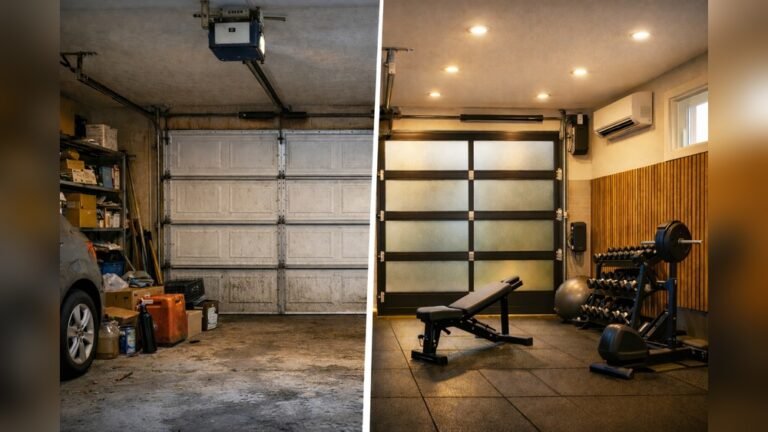
- Renovation: If your space needs remodeling (paint, lighting, insulation), costs rise quickly. Adding mirrors, proper lighting, or insulated walls to keep the temperature comfortable can add hundreds or thousands to your budget. For example, repainting a garage might cost $150, but adding drywall, insulation, and new lights could push that over $1,000.
- Ventilation: Good airflow is important, especially if you use heavy weights or do cardio. Exercise creates heat and humidity, so a window, fan, or small air conditioner helps keep you comfortable and safe. If you’re in a basement without windows, adding a ventilation system might be necessary.
2. Equipment Choices
- Basic vs. Advanced: Bodyweight and resistance bands cost little. Machines and smart equipment cost much more. Deciding what workouts matter most will help you avoid buying equipment you rarely use. For example, a basic setup with dumbbells and a bench covers most strength exercises, while advanced setups might include cable machines, rowing machines, and smart mirrors.
- New vs. Used: Used gear can cut costs by 30-60%, but may have less warranty or shorter life. Many people sell almost new equipment after losing interest, making used purchases a smart way to save. However, check for wear and tear, especially on moving parts like treadmills or bikes.
3. Flooring
- Safety: Gym mats protect your floor and joints, but prices vary by thickness and material. Thin mats work for stretching, but lifting heavy weights or dropping dumbbells needs thick, sturdy flooring. Even simple foam mats improve safety and comfort compared to working out on bare concrete or tile.
- Noise Reduction: Good flooring helps reduce noise, important in apartments or shared homes. For example, dropping weights on rubber tiles makes much less noise than on hardwood floors. If you live upstairs, thick mats or soundproofing can prevent complaints from neighbors.
4. Technology And Smart Features
- Smart Mirrors and Connected Equipment: These offer classes and feedback but come with subscription fees. Smart mirrors can stream workouts, track your form, and connect you with trainers, but the monthly fees add up. Decide if you’ll use these features often before buying.
- Apps and Trackers: Some devices require monthly fees, adding to total cost over time. For example, smart bikes may need a subscription for guided rides. Think about whether you prefer solo workouts or interactive classes.
5. Delivery And Assembly
- Shipping: Heavy equipment can have high shipping fees, especially for larger machines. For example, a treadmill or power rack might cost $100–$300 just to deliver, and even more for remote areas. Some brands offer free shipping, but often only on expensive purchases.
- Professional Assembly: Some machines need expert setup, which can cost $100-$300 per unit. If you’re not handy with tools, or if the equipment is complicated, paying for assembly can save time and prevent mistakes.
6. Ongoing Costs
- Maintenance: Machines and treadmills need care. For example, treadmill belts need lubrication, and rowers may need parts replaced after a few years. Ignoring maintenance can shorten the life of your equipment.
- Accessories: Over time, you may buy more dumbbells, mats, or bands. As your fitness improves, you might need heavier weights or new accessories, which means your gym grows slowly and costs rise.
Non-obvious insight: Many people forget to include small but important items like fans, cleaning supplies, and organizers, which add up over time. For example, a good cleaning spray, towel rack, and bin for shoes can make your gym feel more professional and safer.
Home Gym Price Ranges In 2026
Home gyms fit many budgets. Here’s a realistic look at what you might spend in 2026, from minimal setups to luxury gyms.
| Type of Home Gym | Estimated Cost (2026) | Main Features |
|---|---|---|
| Basic (Minimalist) | $300 – $800 | Mat, resistance bands, adjustable dumbbells |
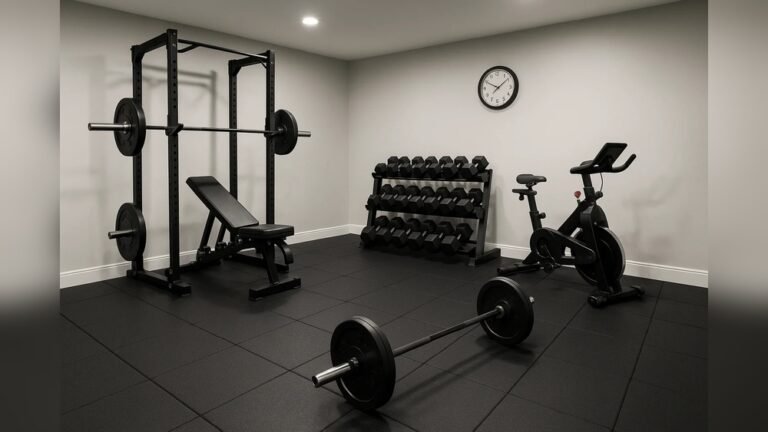
| Intermediate | $1,000 – $4,000 | Bench, barbell set, power rack, cardio machine |
| Advanced/Smart | $5,000 – $15,000+ | Multiple machines, smart equipment, tech integration |
Pro tip: Start small and expand. Many people spend too much upfront and end up not using half their equipment. If your habits change, it’s easier to add new gear than sell unused items.
Breaking Down The Costs: Main Categories
Let’s look at each part of a home gym, with real prices and options for every budget.
Space Preparation
- Paint & Lighting: $50–$400. Fresh paint and LED lights improve mood and safety. Even a small investment in lighting can make your gym feel welcoming and help prevent injuries. For example, daylight LED bulbs reduce shadows, making it easier to check your form.
- Mirrors: $100–$500. Large wall mirrors help with form and motivation. They also make small spaces feel bigger. If you’re tight on budget, stick-on mirror panels are cheaper and easy to install.
- Ventilation: $30–$300. Fans or small AC units keep your gym cool. If your gym is in a basement, consider a dehumidifier to prevent mold and keep the air fresh.
Flooring
- Foam Mats: $40–$120 for a 10×10 foot area. Good for yoga, stretching, and light weights. Easy to install and move.
- Rubber Tiles: $120–$500 for the same space. Needed for heavy weights. These tiles can handle dropped dumbbells and barbell plates without damaging the floor.
- Premium Options: $600+ for special shock-absorbing floors. Some advanced flooring includes extra soundproofing or eco-friendly materials.
Essential Equipment
1. Strength Training
- Adjustable Dumbbells: $150–$500 per set. They save space and let you change weight quickly. Some models adjust from 5–50 pounds, covering most exercises.
- Barbell and Plates: $250–$700. Olympic sets cost more, but last longer. Look for sets with coated plates to protect floors and reduce noise.
- Bench: $100–$350. Flat benches are cheaper, but adjustable benches let you do more workouts.
- Power Rack/Squat Stand: $300–$1,200. Allows safe heavy lifting. Some racks include pull-up bars or cable attachments.
2. Cardio
- Jump Rope: $10–$40. Simple and effective. Great for warm-ups or quick cardio sessions.
- Treadmill: $800–$3,500. Price depends on size, features, and smart tech. Look for folding models if space is limited.
- Rowing Machine: $400–$2,200. Good for full-body cardio and strength.
- Exercise Bike: $300–$2,000. Upright and recumbent models offer different workout styles.
- Elliptical: $400–$2,500. Low impact, good for all ages.
3. Flexibility And Core
- Yoga Mat: $20–$80. Non-slip surfaces are safer.
- Resistance Bands: $15–$60. Many bands come in sets with different resistance levels.
- Foam Roller: $15–$50. Helps with recovery and muscle soreness.
- Medicine Ball: $30–$100. Useful for core and explosive exercises.
4. Smart And Connected Equipment
- Fitness Mirror: $1,200–$3,000. Offers guided workouts. Some mirrors use AI to track your movements and give real-time feedback.
- Smart Treadmill/Bike: $1,500–$4,000. Includes features like live classes, tracking, and adjustable settings.
- Subscription Fees: $20–$50/month for classes and tracking. Plan for these ongoing costs.
5. Accessories
- Storage Racks: $50–$300. Keeps equipment organized and easy to access.
- Water Bottle/Dispenser: $15–$100. Staying hydrated is important, so a dedicated spot for water adds convenience.
- Bluetooth Speaker: $40–$250. Music or guided workouts boost motivation.
Non-obvious insight: Good storage keeps your gym tidy and safe, but many forget to budget for it. Cluttered spaces can lead to accidents and make it harder to stay motivated.
Budget Home Gym Setup (under $1,000)
A basic home gym is possible for less than $1,000. Focus on versatile gear that gives you the most workout options.
Recommended Items
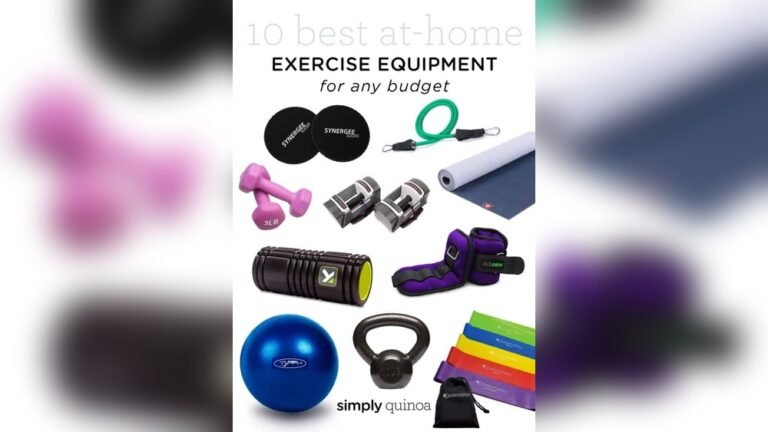
- Mat or Foam Tiles ($50)
- Adjustable Dumbbells ($200)
- Resistance Bands ($30)
- Jump Rope ($15)
- Pull-up Bar ($35)
- Bench (optional) ($100)
- Kettlebell ($50)
- Yoga Mat ($25)
Example budget: $505 for a setup that covers most exercises. If you skip the bench, you can save even more. Add a second kettlebell or extra resistance bands as your fitness grows.
Tip: Buy quality over quantity. Cheap gear breaks and can cause injury. Look for brands with good reviews and warranties.
Where To Save
- Shop for used items on local marketplaces. Many people sell unused dumbbells and benches for half price.
- Buy during sales (Black Friday, New Year). Retailers offer big discounts on fitness gear during holiday periods.
- Start with bodyweight exercises to see what you actually use. Push-ups, squats, and planks require no equipment.
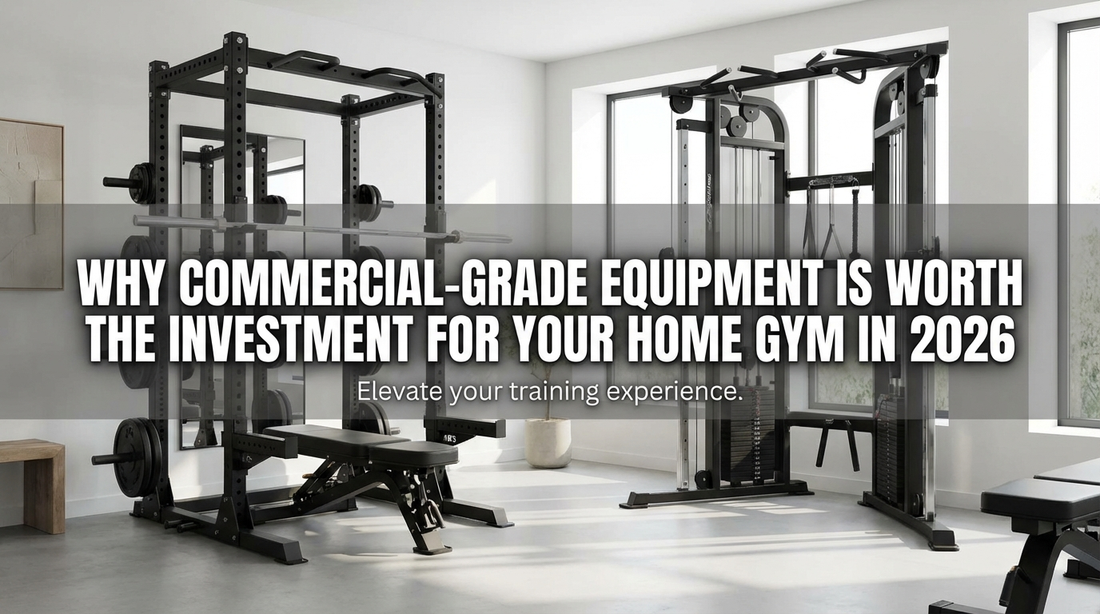
Credit: ctxhomegyms.com
Mid-range Home Gym ($1,000–$4,000)
With a bigger budget, you can add larger equipment and more variety.
Possible Equipment List
- Barbell and Weight Plates ($600)
- Power Rack ($700)
- Bench ($250)
- Dumbbell Set ($300)
- Treadmill or Rowing Machine ($1,200)
- Rubber Flooring ($250)
- Mirror ($150)
- Storage Rack ($150)
Example mid-range setup: Around $3,600 for a complete gym for strength and cardio. If you skip the treadmill or choose a cheaper bike, costs drop. You can also add specialty items, like a cable attachment or medicine balls.
Pro tip: Plan your space before buying. Measure your area and check equipment dimensions to avoid crowding. Use painter’s tape to mark where each item will go before you buy.
Premium / Smart Home Gym ($5,000+)
Want gym-quality at home or the latest smart tech? Here’s what a high-end setup might include.
High-end Equipment And Features
- Commercial Treadmill ($3,000)
- Fitness Mirror or Smart Trainer ($2,500)
- Adjustable Dumbbell Set ($500)
- Complete Cable Machine ($2,500)
- Smart Exercise Bike ($2,000)
- Barbell & Bumper Plates ($1,200)
- Premium Flooring ($800)
- Personal Trainer Subscriptions ($600/year)
- LED Lighting & Sound System ($800)
- Climate Control ($1,000)
Total for luxury setup: $12,900+ if you want a true gym experience at home. You can also add specialty items, like a sauna or massage chair, for extra comfort.
Insight: High-end smart equipment often requires a subscription—factor that into your yearly costs. For example, a smart bike might cost $2,000 upfront, but $40/month for classes adds $480/year.
Cost Comparison: Home Gym Vs. Gym Membership
Is a home gym really cheaper than a gym membership in 2026? Let’s break it down.
| Option | Year 1 Cost | Year 5 Cost | Notes |
|---|---|---|---|
| Home Gym (Mid-range) | $3,000 | $3,500 (with upgrades/maintenance) | One-time investment, flexible use |
| Gym Membership | $720 ($60/month) | $3,600 | Ongoing cost, travel time |
| Smart Equipment Subscription | $2,500 + $600/year | $5,900 | Access to classes, tech support |
Key takeaway: Home gyms cost more upfront but can save money over several years, especially for families. If you use your gym regularly, you break even faster.
Real Examples: Home Gym Setups And Costs
Example 1: Small Apartment Gym
- Foam Mats: $60
- Adjustable Dumbbells: $180
- Resistance Bands: $25
- Pull-up Bar: $30
- Jump Rope: $15
Total: $310
This setup fits in a small corner and covers basic strength and cardio. You can add a mirror or Bluetooth speaker later.
Example 2: Garage Gym
- Rubber Flooring: $220
- Power Rack: $650
- Barbell & Plates: $650
- Bench: $180
- Treadmill: $1,000
- Storage Rack: $120
Total: $2,820
A garage gym allows heavier lifting and more cardio. Many people use their garage for both fitness and storage—plan for extra space.
Example 3: Luxury Basement Gym
- Premium Flooring: $900
- Fitness Mirror: $2,800
- Smart Bike: $2,200
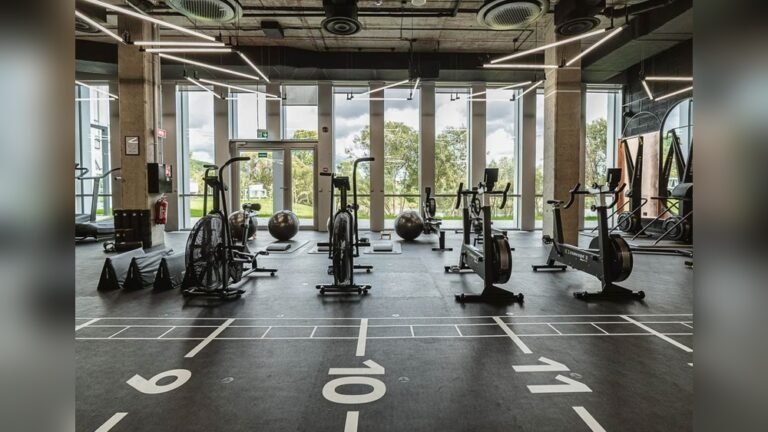
- Commercial Treadmill: $3,200
- Cable Machine: $2,700
- Sound & Lighting: $1,000
Total: $12,800
This setup rivals many commercial gyms and can support multiple users. Adding a sauna or massage chair takes comfort to the next level.
Insight: Many homeowners combine used and new equipment to keep costs down, even in luxury setups. For example, you might buy a used treadmill and new smart mirror.
Common Mistakes And How To Avoid Them
- Overbuying Equipment: Don’t buy machines you never use. Start with basics, then add as you learn your preferences. For example, many people buy a rowing machine but use it only a few times.
- Ignoring Space Limits: Measure your space. Leave room for movement—not just for equipment. Overcrowding makes workouts harder and less enjoyable.
- Skipping Flooring: Dropped weights can ruin floors and injure you. Budget for proper mats or tiles. Even basic foam mats are better than nothing.
- Forgetting Ongoing Costs: Subscriptions, maintenance, and repairs can add hundreds per year. Plan for these expenses so you don’t get surprised.
- Not Considering Resale Value: High-quality equipment keeps value. Cheap gear is hard to sell. If you plan to upgrade later, buy brands with good resale demand.
Pro tip: Ask friends what gear they stopped using. Their mistakes can save you money. For example, many regret buying large cardio machines they rarely use.
How To Save Money On Your Home Gym
1. Buy Used Or Refurbished Gear
Many people sell barely-used fitness equipment. Look for quality brands with light wear. Check online marketplaces, garage sales, or gym liquidation events.
2. Focus On Multi-use Equipment
Adjustable dumbbells, benches, and racks let you do many workouts with fewer items. For example, a power rack supports squats, bench presses, and pull-ups.
3. Wait For Sales
Major sales events and holidays are good times to buy big-ticket items. Sometimes, brands offer package deals that include several pieces of equipment at a discount.
4. Skip Unnecessary Tech
Unless you love guided classes, basic machines can be as effective as smart versions. Test equipment in stores or at friends’ homes before deciding.
5. Diy Where Possible
Some items, like plyo boxes or storage racks, are easy to build yourself. Many online tutorials show how to make safe, sturdy gym accessories.
Non-obvious insight: Some insurance companies give discounts for home gym owners who show regular use—ask your provider. This can help offset equipment costs.
How To Plan Your Home Gym Purchase In 2026
Planning well makes your investment last longer and keeps you motivated.
Step 1: Set Your Goals
Are you training for strength, weight loss, flexibility, or general fitness? Your goal determines your gear. For example, strength training needs weights and racks, while cardio-focused gyms need bikes or treadmills.
Step 2: Measure Your Space
Use a tape measure. Draw a simple plan. Check if doors and windows will open with equipment in place. Consider ceiling height if you want to do overhead lifts or install pull-up bars.
Step 3: Prioritize Equipment
Start with essentials you’ll use 2–3 times per week. Add extras later. For example, begin with dumbbells and a mat, then add a treadmill if you find you enjoy running.
Step 4: Set A Realistic Budget
Include the costs of flooring, delivery, and small accessories. Don’t forget cleaning supplies and storage racks.
Step 5: Research And Read Reviews
Look for recent reviews, not just star ratings. Some equipment changes quality year-to-year. YouTube and fitness websites show real-life usage and common problems.
Step 6: Plan For Upgrades
Leave space and budget for future upgrades if your needs change. For example, save room for a bigger bench or new weights.
Pro tip: If you have kids or pets, buy equipment with safety features (locking pins, covered weights). Childproofing your gym keeps everyone safe.

The Rise Of Smart Home Gyms In 2026
Technology is changing home gyms fast. In 2026, smart gyms are more popular, thanks to:
- Connected Equipment: Treadmills, bikes, and mirrors that link to apps and trainers. Smart treadmills can automatically adjust speed and incline based on your workout plan.
- Virtual Classes: Live and on-demand workouts from home. These classes give you access to trainers and communities, making workouts more social.
- Performance Tracking: Real-time data on heart rate, calories, and progress. Smart equipment can sync with your phone, tracking your results and helping you set goals.
Is Smart Equipment Worth The Price?
Pros:
- Motivation from interactive classes. Seeing your progress or competing with friends can keep you engaged.
- Detailed tracking and progress. Smart equipment can store your workout history and offer personalized feedback.
- Fun for tech lovers. If you enjoy gadgets, smart gyms feel futuristic and exciting.
Cons:
- Higher upfront cost. Smart mirrors, bikes, and treadmills cost much more than basic models.
- Monthly fees can add up. Subscription costs for classes can be $20–$50 per month.
- Some features may need fast internet. Slow connections can cause lag or disconnects during classes.
Practical advice: Try a friend’s smart gym or test in-store before buying. Not everyone needs high-tech options. If you prefer solo workouts, basic gear may be enough.
Credit: jeraihomegym.com
Hidden Costs Most People Miss
It’s easy to forget these extra costs:
- Delivery Fees: Heavy machines can cost $50–$300 to ship. Always check shipping rates before buying online.
- Assembly: Some equipment needs pro setup ($100–$300). Complex machines, like cable systems or treadmills, often require expert installation.
- Maintenance: Lubrication, belt replacements, and repairs add up. Plan for yearly maintenance costs, especially for high-use machines.
- Insurance: High-value setups may need more homeowner’s insurance. If your gym equipment is expensive, update your policy to protect against theft or damage.
- Electricity: Smart gear and climate control can raise your utility bill. Running treadmills, AC units, and lighting adds to monthly expenses.
Financing And Payment Options
A high-end home gym can be a big investment. In 2026, more brands offer financing.
Payment Choices
- 0% Interest Plans: Pay over 12–24 months, often with no fees. This is good for big purchases like smart mirrors or commercial machines.
- Buy Now, Pay Later: Split payments, but watch for late fees. Read terms carefully to avoid extra charges.
- Credit Cards: Best for rewards, but only if you pay off monthly. If you carry a balance, interest adds quickly.
Warning: Don’t over-finance. Only buy what you can afford in 1–2 years. Avoid debt for equipment you may not use long-term.
Are Home Gyms A Good Investment?
A home gym can add value to your health and, sometimes, your home. Here’s what to consider:
- Health Value: Regular exercise reduces medical bills and sick days. A home gym makes it easier to stay consistent and avoid excuses.
- Home Value: In some markets, a finished gym room can raise property value. Realtors say that modern, well-equipped gyms attract buyers, especially in luxury homes.
- Convenience: Save time and increase consistency by removing travel. Working out at home is easier to fit into busy days.
- Family Use: One gym serves everyone. Kids, teens, adults, and seniors can all use the same space with the right equipment.
Expert insight: The best home gym is one you use regularly. Even a $300 setup is better than a $10,000 gym that gathers dust. Choose equipment you enjoy and will use often.
Environmental And Safety Considerations
Eco-friendly Choices
- Look for equipment made from recycled materials. Some brands make mats, weights, and benches from recycled plastics or rubber.
- Buy used gear to reduce waste. Extending the life of equipment is better for the environment.
- Use energy-efficient lighting and fans. LEDs use less power and last longer.
Safety Tips
- Anchor racks and heavy machines to walls or floors. Prevent tipping or shifting during heavy lifts.
- Use mats to prevent slipping. Sweat and moisture can make floors slippery.
- Store weights safely to avoid tripping. Use racks or bins to keep dumbbells and plates off the floor.
Pro tip: Check equipment regularly for loose bolts or worn parts—most injuries come from preventable accidents. Keep a basic toolkit nearby for quick fixes.

Credit: www.homeadvisor.com
Home Gym Trends In 2026
The fitness world is changing. Here’s what’s popular this year:
- Hybrid Spaces: Gyms that double as home offices or playrooms. Folding benches and movable equipment make multi-use spaces possible.
- Compact Equipment: Folding treadmills, wall-mounted racks for small spaces. Good for apartments or shared rooms.
- On-Demand Classes: More companies offer streaming with real coaches. You can join group workouts without leaving home.
- Eco-Friendly Gear: Recycled rubber, non-toxic mats, and solar-powered fans. Green options are growing.
- Personalization: Smart tech that adapts to your workouts and goals. Machines adjust resistance or track your progress automatically.
Practical insight: Choose trends that fit your lifestyle, not just what’s new. Classic equipment, like dumbbells and benches, never go out of style. Don’t feel pressured to buy the latest gadget if it doesn’t fit your needs.
Frequently Asked Questions
How Much Space Do I Need For A Home Gym?
Most home gyms need at least 50–100 square feet for basic setups. For a full gym with machines, aim for 150–300 square feet. Always measure your space and leave extra room for movement and safety. If you want to add more equipment later, plan for future expansion.
Is It Cheaper To Build A Home Gym Or Keep A Gym Membership?
Building a home gym is more expensive upfront but can save money over 3–5 years, especially if you use it regularly. For families, the savings add up faster since multiple people can use the same equipment. If you move often, consider portable or compact gear.
What Is The Most Important Piece Of Equipment For A Home Gym?
The answer depends on your goals. For most people, adjustable dumbbells or a barbell set offer the most flexibility for strength training. Add a mat for stretching and a cardio option (like a jump rope or treadmill) for balance. If you have limited space, focus on equipment with multiple uses.
Do I Need Smart Or Connected Equipment?
Smart equipment is optional. It offers tracking, classes, and motivation, but basic gear can give you great results. If you like technology and guided workouts, smart gear can be worth the extra cost. If you prefer simple routines, stick to classic equipment.
Where Can I Find Reliable Reviews Or Advice On Home Gym Equipment?
Look for recent reviews on fitness websites, YouTube channels, or from trainers. Sites like Consumer Reports test many popular machines and brands. Always read both expert and user reviews for a balanced view.
—
Building a home gym in 2026 means more choices—and more ways to control your budget—than ever before. Whether you want a basic setup under $1,000 or a high-end smart gym, planning carefully will help you get the most from your investment.
Focus on your goals, measure your space, and buy quality equipment you’ll use week after week. The best gym is the one that fits your life, your space, and your budget.