Cardio And Noise Reduction
Cardio And Noise Reduction
Cardio workouts are everywhere—from gyms to parks, from homes to office breaks. But as people run, cycle, or use treadmills, one challenge often appears: noise. Whether it’s the pounding of feet, the whirring of machines, or loud music, noise can disrupt your workout or disturb others. For those living in apartments, noise from cardio equipment can cause problems with neighbors. In gyms, loud noise affects concentration and comfort. Reducing noise in cardio environments is not just about comfort—it’s about health, safety, and making workouts enjoyable for everyone.
This article explores the relationship between cardio and noise reduction. We’ll explain why noise matters, how it affects workouts, and practical ways to lower noise. You’ll learn about equipment, room design, workout habits, and technology. Plus, you’ll see real examples, data, and comparisons to help you choose the best solutions. Whether you exercise at home, in a gym, or outdoors, you’ll find useful tips for a quieter, healthier cardio experience.

Why Cardio Produces Noise
Cardio exercises often create sound from many sources. Understanding these helps you find ways to reduce noise.
Equipment Sounds
Machines like treadmills, ellipticals, and stationary bikes produce mechanical noise. For example, treadmills make noise from the motor and the impact of feet. Ellipticals squeak from moving parts and resistance systems. Stationary bikes create whirring from the flywheel and chain.
- Treadmills: Average noise ranges from 50 to 70 decibels (dB)
- Ellipticals: Usually produce 40 to 60 dB
- Stationary bikes: Range between 30 to 55 dB
A study by the National Institute for Occupational Safety and Health (NIOSH) shows prolonged exposure to noise above 70 dB can affect hearing and cause stress. Many users don’t realize even moderate noise, repeated daily, adds up and can cause discomfort over time.
Some newer machines use advanced materials to lower noise. For example, treadmills with silicone-based decks and bikes with belt drives instead of chains run more quietly. However, older machines, especially if poorly maintained, tend to get louder as parts wear out.
Impact And Movement
Jumping, running, and stepping create vibration noise. When you land on the floor, vibrations travel through walls and ceilings. This is more noticeable in apartments, hotels, and multi-story gyms. Even simple actions like stepping down forcefully or changing direction quickly can cause sudden spikes in noise.
If you wear shoes with hard soles, the impact noise is even greater. Many beginners overlook this—switching to softer shoes or using barefoot training can noticeably reduce noise.
Music And Group Classes
Many cardio classes use loud music to motivate participants. In some cases, sound levels reach 80-90 dB, similar to a busy street or loud restaurant. High volume music can mask other noises but can also disturb nearby rooms or disrupt concentration. Sometimes, music is played through low-quality speakers, which add distortion and make the sound more unpleasant.
Voices And Instructions
Instructors often use microphones or shout to be heard over equipment and music. This adds extra noise. In group settings, participants may also cheer or talk loudly, raising the overall noise level.
Environmental Factors
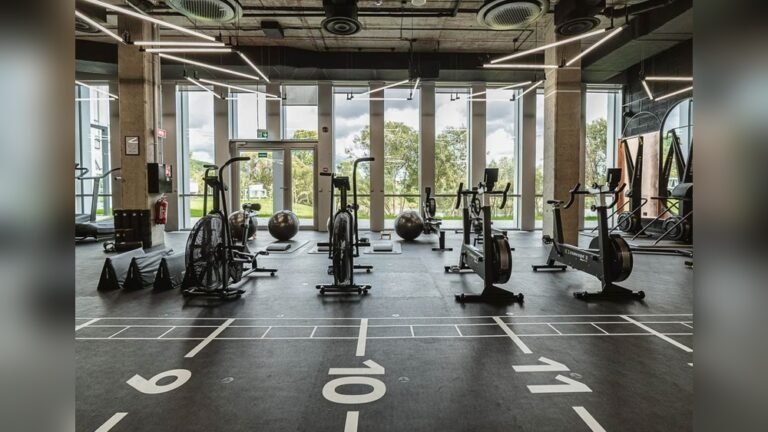
Room design, floor materials, and ceiling height affect how sound travels. Hard surfaces reflect noise, making it louder. Soft surfaces absorb sound, reducing noise levels. Rooms with high ceilings or many windows can echo, making even small noises seem bigger.
The Effects Of Noise During Cardio
Noise is not just an annoyance. It can impact your health, workout quality, and relationships with others.
Health Risks
- Hearing Loss: Long-term exposure to loud noise can damage hearing. Most people think only concerts or loud music can cause hearing loss, but constant gym noise is also risky.
- Stress: Noise increases stress hormones, raising heart rate and blood pressure. This makes your workout less enjoyable and can even reduce the health benefits.
- Concentration: Too much noise makes it hard to focus or follow instructions. If you’re trying to learn a new move or follow a trainer, background noise can make it harder to process instructions.
Workout Performance
- Distraction: Loud environments reduce motivation and enjoyment. You may find yourself leaving a workout early or not pushing as hard.
- Communication: Hard to hear trainers or workout partners. This can lead to misunderstandings or missed cues during group exercises.
- Fatigue: Constant noise can cause mental fatigue, making workouts feel harder. Many don’t realize this until they move to a quieter space and suddenly feel more energized.
Social And Community Problems
- Neighbor Complaints: Noise from home cardio equipment often leads to disputes. In some cases, landlords may restrict equipment use or times.
- Gym Satisfaction: Loud gyms may lose members who prefer quiet workouts. Many people now seek gyms with “quiet zones.”
- Safety: Excessive noise masks alarms or emergency signals. This is especially important in large gyms or buildings with shared spaces.
Cardio Equipment And Noise Levels
Choosing the right equipment is key for noise reduction. Some machines are quieter by design, while others need extra care.
Comparing Cardio Equipment Noise
Here is a comparison of popular cardio machines and their average noise levels:
| Equipment | Average Noise (dB) | Noise Source | Quiet Rating |
|---|---|---|---|
| Treadmill | 50–70 | Motor, foot impact | Medium |
| Elliptical | 40–60 | Moving parts, resistance | High |
| Stationary Bike | 30–55 | Flywheel, chain | Very High |
| Rowing Machine | 40–65 | Water/fan resistance | Medium |
| Stepper | 45–60 | Hydraulics, foot impact | Medium |
Equipment Design Features
Modern machines include features to reduce noise:
- Brushless motors: Quieter than traditional motors, and also more durable.
- Rubberized feet: Absorb vibration and prevent sliding.
- Sealed bearings: Reduce squeaks and need less maintenance.
- Soft deck treadmills: Minimize impact noise and protect joints.
Not all models offer these features. When buying, ask about noise ratings and look for reviews mentioning quiet operation. Some brands even offer “silent” models designed for home use.
Practical Tips For Choosing Quiet Cardio Equipment
- Test Before Buying: Visit a store and try machines yourself. Listen for rattling, whirring, or banging.
- Read Reviews: Online reviews often mention noise levels. Look for comments about quietness and compare across brands.
- Check Specifications: Look for decibel ratings or noise reduction features. Some manufacturers post these numbers.
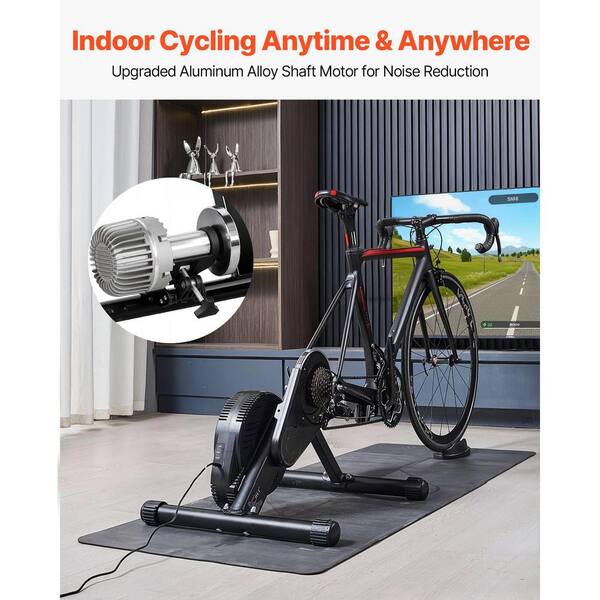
- Choose Magnetic Resistance: Bikes and rowers with magnetic resistance are quieter than fan or water models. Magnetic systems also last longer and require less maintenance.
- Avoid Cheap Brands: Low-cost machines often use noisy parts and thin materials. Investing in better quality reduces noise and extends lifespan.
An insight many beginners miss: assembly quality impacts noise. Poorly assembled equipment can rattle, squeak, or vibrate more, so follow instructions carefully. If you’re unsure, ask for professional assembly.
Another overlooked tip: Check for worn parts. Old belts, bearings, or loose screws make machines louder. Regular maintenance can keep your equipment quiet.
Room Design And Noise Reduction
Where you exercise affects noise as much as what you use. Room design, flooring, and wall materials matter.
Flooring And Surface Materials
The best way to cut noise is to use soft materials that absorb vibration.
| Flooring Type | Noise Absorption | Suitability for Cardio |
|---|---|---|
| Carpet | High | Good for low-impact |
| Rubber mats | Very High | Excellent for all cardio |
| Foam tiles | Medium | Good for bodyweight cardio |
| Hardwood | Low | Needs extra mats |
| Concrete | Very Low | Not recommended |
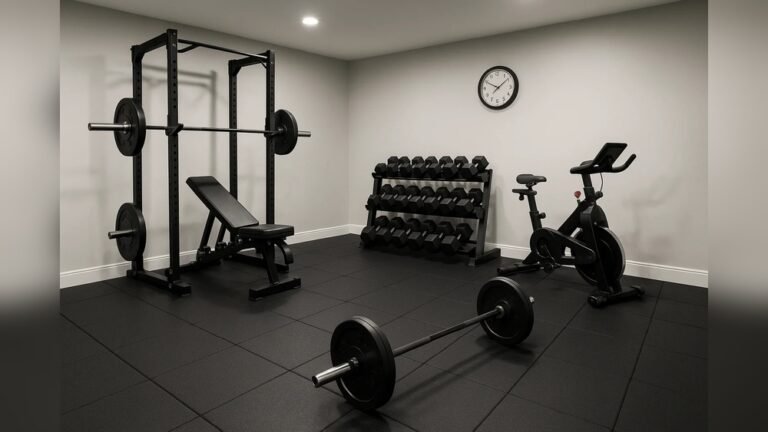
Rubber mats are the best overall. They absorb impact, reduce vibration, and protect floors. Place mats under machines and in workout zones. For larger spaces, interlocking rubber tiles make installation easy and cover more area.
Wall And Ceiling Treatments
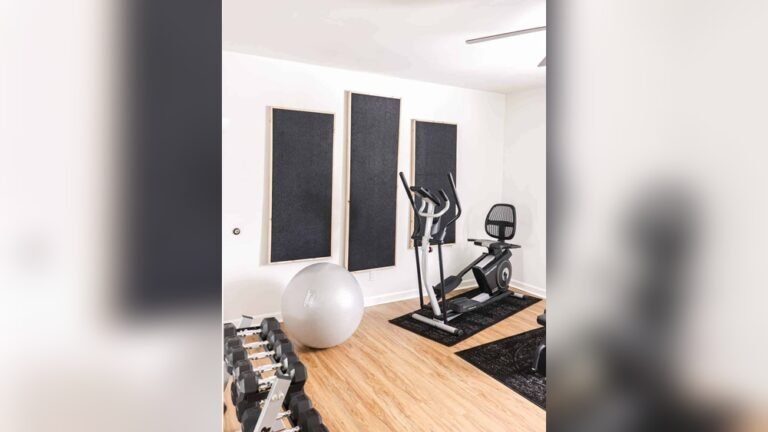
Sound bounces off hard walls and ceilings. Adding soft panels, curtains, or acoustic tiles absorbs noise.
- Acoustic panels: Reduce echo and loudness, and are available in decorative styles.
- Heavy curtains: Block sound from leaving the room. Blackout curtains double as noise blockers.
- Wall foam: Simple, affordable, good for home gyms, and can be cut to fit any space.
For ceilings, suspended panels or baffles work well in gyms. In homes, adding ceiling tiles or even thick fabric can help.
Room Layout
- Place equipment away from shared walls. If possible, set up your workout zone in the center of the room.
- Keep machines off direct contact with floors using mats or pads. This reduces vibration transfer.
- Close doors and windows during workouts. This traps noise inside and stops it from spreading.
- Use smaller rooms for solo cardio to contain noise. For group workouts, larger rooms with more soft surfaces are better.
Ventilation And Air Conditioning
Air conditioning and fans can mask noise, but sometimes add their own. Choose quieter models and keep vents clean to reduce extra sound. Some units now come with “silent” settings designed for workout rooms.
A non-obvious tip: Check for echo. If you notice your voice or music bouncing, add more soft materials until the echo disappears.
Credit: us.loopearplugs.com
Cardio Techniques For Lower Noise
How you exercise changes the noise you make. You can adjust your form, routines, and habits for quieter workouts.
Low-impact Exercises
Low-impact cardio is gentler on joints and produces less noise.
- Walking: Quieter than running. Try treadmill walking or outdoor strolls.
- Elliptical: Smooth motion, little impact.
- Cycling: Minimal impact. Stationary bikes are especially quiet.
- Swimming: No noise for those with access. Even water aerobics are silent.
For those who need high-intensity, try interval cycling or elliptical sprints—they offer cardio benefits with less noise.
Soft Landing Techniques
When jumping or running, land softly. Bend your knees and roll through your feet. This reduces vibration and impact sound. Practicing “quiet feet” technique helps, especially in apartment settings.
Try this: Stand on tiptoe and lower your heel gently. Repeat during cardio movements to train your body.
Controlled Movements
Avoid slamming weights or stomping. Move smoothly, focus on form, and keep motions controlled. Even during fast routines, aim for fluid transitions.
Use Headphones
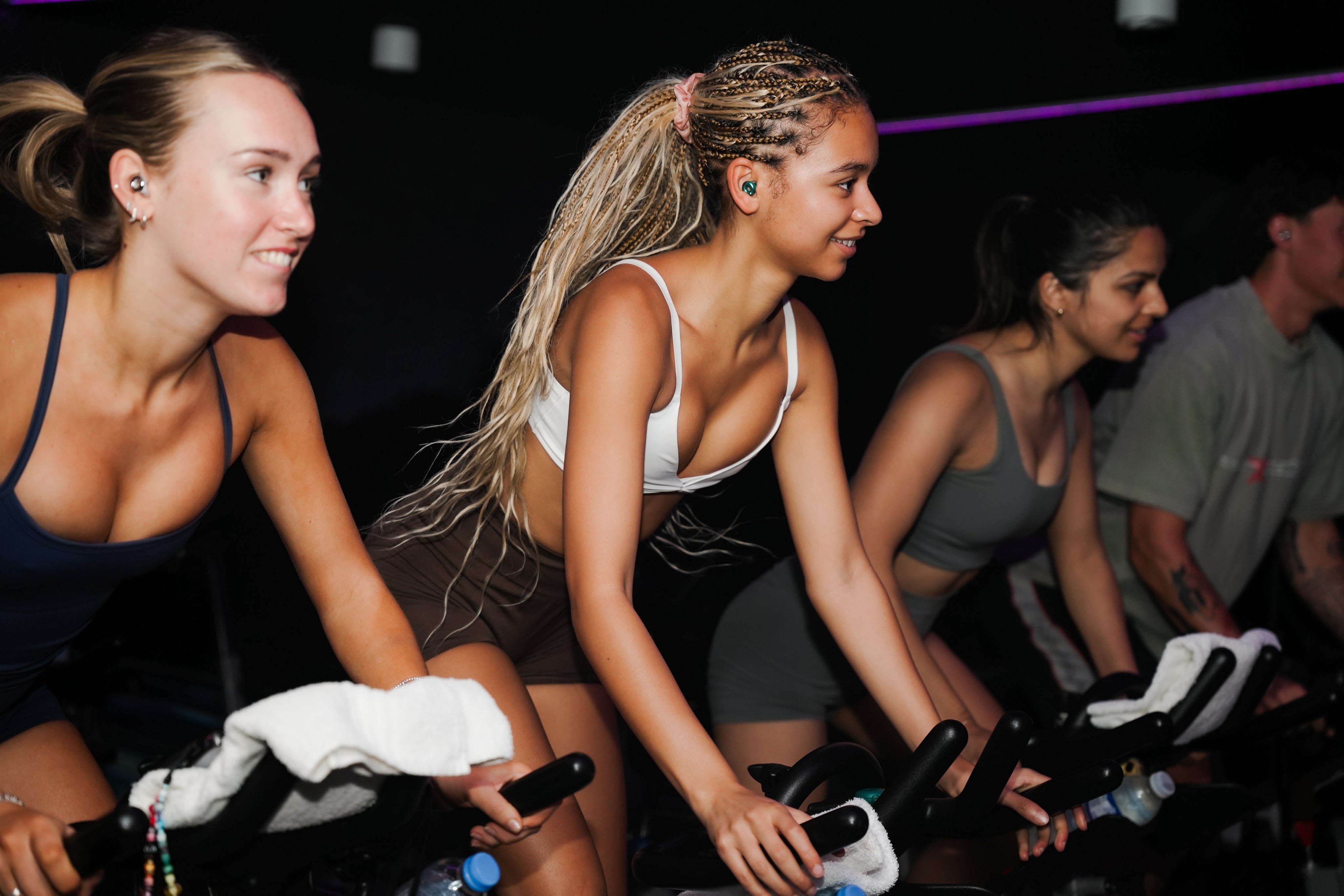
Instead of playing loud music, use headphones. This lowers overall noise and keeps you focused. Wireless headphones are best for freedom of movement.
Group Class Etiquette
If you join a group class, follow these tips:
- Keep volume at safe levels.
- Avoid shouting over music.
- Listen for instructor cues instead of talking.
An often-overlooked tip: Schedule workouts during quiet hours. If you live in an apartment, avoid early mornings or late nights when neighbors are more likely to be disturbed.
Another practical tip: Warm up quietly. Begin with slow, controlled movements to minimize initial noise and prepare your body.
Noise Reduction Technologies In Cardio
Technology is changing how we fight noise. Manufacturers and gym owners use new solutions for quieter spaces.
Machine Innovations
- Silent drive motors: Specially designed for less vibration. These motors also use less energy.
- Encased flywheels: Prevent whirring and reduce dust.
- Integrated dampeners: Built into machines to absorb shock and minimize vibrations.
Some brands now market “whisper quiet” machines, targeting home users.
Smart Sound Systems
Gyms now use smart speakers with volume controls that adjust automatically. Some systems only play music where needed, reducing overall noise. Personalized playlists via apps let users control their own audio experience.
Noise-canceling Headphones
Many cardio users choose noise-canceling headphones. These block out machine and environmental sounds, helping you focus. Some models allow “ambient sound” mode so you can still hear safety signals.
Acoustic Treatments
Modern gyms use wall and ceiling panels made from recycled materials. These panels absorb noise and are eco-friendly. Decorative panels can double as art and soundproofing.
Apps And Digital Solutions
Some fitness apps allow you to choose music levels, adjust trainer voice, or add ambient sound to mask equipment noise. Many workout streaming platforms now include “quiet mode” options.
A lesser-known tip: Virtual trainers can be used with headphones, reducing noise from live instruction.
Real-world Examples And Data
Different places have used noise reduction strategies with clear results.
Apartment Gyms
A New York apartment building installed rubber flooring and acoustic panels in its gym. Complaints dropped by 60% in three months. Residents reported better sleep and more comfortable workouts. The building also began offering “quiet hours” where only low-impact machines could be used.
Home Cardio Rooms
A family in Los Angeles added foam tiles, heavy curtains, and a treadmill with a brushless motor. Their treadmill noise reduced from 65 dB to 48 dB. Neighbors no longer heard workouts. The family also started using wireless headphones instead of speakers, which further reduced noise.
Commercial Gyms
A chain of gyms in Europe switched to magnetic resistance bikes and silent drive treadmills. Member satisfaction scores increased by 25%. Noise complaints fell to almost zero. The gyms also introduced “silent cycling” classes where music was optional.
Schools And Community Centers
A school in Chicago added rubber mats and soundproof doors to its fitness area. Teachers reported less distraction during classes, and students enjoyed quieter workouts. The school also used acoustic panels made from recycled bottles, combining sustainability and noise reduction.
Outdoor Cardio
Outdoor running and cycling are naturally quieter, but city noise can interfere. Some runners use noise-canceling headphones and choose routes with less traffic. In some parks, signs remind runners to avoid loud music to keep the area peaceful.

Comparing Cardio Noise Reduction Solutions
To help you choose the best options, here’s a table comparing popular noise reduction solutions:
| Solution | Noise Reduction | Cost | Ease of Use |
|---|---|---|---|
| Rubber mats | High | Low | Easy |
| Acoustic panels | Medium | Medium | Moderate |
| Silent machines | Very High | High | Easy |
| Noise-canceling headphones | Medium | Medium | Easy |
| Low-impact exercise | Medium | Free | Easy |
| Wall foam | Medium | Low | Moderate |
Remember: Combining several solutions gives the best results.
Common Mistakes When Reducing Cardio Noise
Many people try to reduce noise but make mistakes that limit results.
- Using thin mats: Thin mats don’t absorb impact well. Choose mats at least 1/2 inch thick, or double up if needed.
- Ignoring machine maintenance: Machines need regular oiling and tightening. Loose parts increase noise, and even small bolts can make a big difference.
- Placing machines against walls: This amplifies vibration. Leave space between equipment and walls, ideally at least 2–3 inches.
- Skipping floor upgrades: Hard floors magnify sound. Invest in proper flooring or use mats under every piece of equipment.
- Setting music too loud: Lower volume helps everyone concentrate, and also prevents hearing damage.
- Not testing equipment: Always test machines before purchase. Try different speeds and resistance levels.
- Neglecting room acoustics: Bare rooms echo. Add curtains, panels, or carpets—even small rugs can help.
- Choosing wrong workout times: Avoid noisy hours, especially in apartments.
A non-obvious insight: Noise often comes from multiple sources, not just one. You must address all—equipment, flooring, music, and movement—to achieve real quiet.
Another mistake: Forgetting about shoes. Hard-soled shoes create more noise than soft-soled or barefoot options.
Cardio In Apartments And Shared Spaces
Working out at home or in shared buildings brings special challenges. Here are practical steps for quieter cardio:
Steps For Quiet Apartment Cardio
- Use thick mats under all equipment.
- Choose low-impact machines (elliptical, stationary bike).
- Exercise during daytime hours.
- Keep windows and doors closed.
- Install acoustic panels or foam on walls.
- Communicate with neighbors about your workout schedule.
- Avoid jumping or running directly on hard floors.
- Wear soft-soled shoes.
- Use headphones for music.
For extra quiet, add a layer of carpet under your mat. If you share walls, place equipment as far from them as possible.
Apartment-friendly Cardio Workouts
If you need quiet, try these:
- Walking lunges
- Standing marches
- Step-touch
- Gentle cycling
- Yoga flows
- Pilates
Most apartment dwellers find stationary bikes and ellipticals are best for noise control. Bodyweight workouts like yoga and pilates are nearly silent.
Cardio In Gyms: Balancing Energy And Quiet
Gyms often aim for an energetic atmosphere, but too much noise can drive away members. Here’s how gyms manage noise:
Gym Noise Management Strategies
- Install rubber flooring throughout cardio areas.
- Use silent machines.
- Train staff to monitor volume.
- Add acoustic panels to walls and ceilings.
- Offer quiet workout zones for those who prefer less noise.
- Schedule classes at different times to prevent overlap.
- Maintain equipment regularly.
Gym owners sometimes miss: Noise from group classes travels. Soundproofing between class and cardio areas is critical.
Many gyms now have “quiet hours” or zones where music is off and talking is limited. This attracts members who prefer peaceful workouts.
Outdoor Cardio: Natural Noise Reduction
Exercising outdoors is usually quieter for the equipment, but city sounds can be a problem.
Tips For Quiet Outdoor Cardio
- Choose parks, trails, or quiet neighborhoods.
- Avoid busy streets and highways.
- Use noise-canceling headphones.
- Select times when traffic is low.
- Run or cycle in groups to help each other stay aware.
Outdoor cardio has the advantage of no machine noise, but be mindful of environmental sounds and safety. For example, cycling early morning avoids traffic noise, and running in parks lowers both city and human sounds.


Credit: www.amazon.com
Noise Reduction For Cardio Classes And Teams
Classes and group cardio events often have higher noise. Here’s how instructors and participants can reduce noise:
Instructor Tips
- Use wireless microphones with volume control.
- Keep music at safe levels.
- Encourage soft landings and controlled movements.
- Offer “quiet classes” (no music, minimal instruction).
Some instructors use hand signals instead of shouting, which keeps classes quieter.
Participant Tips
- Wear headphones if allowed.
- Avoid talking over music.
- Follow instructor cues.
A non-obvious insight: Ceiling height affects noise. Lower ceilings trap and amplify sound. Instructors should adjust volume based on room size.
Noise Reduction For Cardio At Work
Many offices now have fitness rooms or encourage cardio breaks. Noise is a concern for coworkers.
Office Cardio Tips
- Use under-desk bikes or quiet step machines.
- Choose low-impact exercises (marching, stretching).
- Schedule workouts during lunch or after hours.
- Keep music on personal devices.
- Add small mats to absorb impact.
Office managers should provide guidelines for noise and equipment use. Consider designating a “quiet zone” for fitness.
How To Measure And Track Cardio Noise
Knowing your noise levels helps you make smart changes.
Tools For Measuring Noise
- Decibel meters: Simple devices to measure sound (available as apps).
- Smartphone apps: Free or paid, show real-time noise.
- Room sensors: Advanced gyms use sensors to monitor and adjust noise.
Try measuring noise before and after adding mats or panels to see the difference.
Noise Levels To Aim For
- Home workouts: Below 50 dB is comfortable for most people.
- Gym workouts: Below 65 dB is ideal.
- Outdoor: Aim for environments with less than 60 dB.
Track noise before and after making changes to see improvements. Over time, you’ll notice your workouts feel more comfortable and focused.
The Future Of Cardio And Noise Reduction
As cardio becomes more popular, demand for quieter workouts grows. Manufacturers, gym owners, and individuals all play a role.
Upcoming Trends
- Quieter machines: New models focus on silent operation.
- Smart noise control: Gyms use sensors and AI to adjust sound.
- Eco-friendly materials: Acoustic panels made from recycled products.
- Quiet workout classes: More gyms offer low-noise sessions.
Some gyms now offer “silent disco” cardio classes, where participants wear wireless headphones and trainers communicate directly.
What You Can Expect
Cardio in the future will be more personalized, quieter, and healthier. Technology will help you track and control noise. Gyms and homes will use better materials and designs. You’ll enjoy workouts without disturbing others or risking your hearing.
Frequently Asked Questions
What Is The Best Cardio Equipment For Noise Reduction?
Stationary bikes and ellipticals are usually the quietest. Look for machines with magnetic resistance and rubberized feet. Avoid treadmills with loud motors or old models. Consider belt-driven bikes over chain-driven for less noise.
How Can I Reduce Noise From My Treadmill At Home?
Use a thick rubber mat under the treadmill. Place the treadmill away from shared walls. Keep the machine well-oiled and tightened. If possible, choose a treadmill with a brushless motor. Wearing soft-soled shoes can also help.
Does Flooring Really Affect Cardio Noise?
Yes. Rubber flooring absorbs impact and vibration much better than hardwood or concrete. It reduces noise and protects your equipment and floors. Even adding a rug under mats helps.
Are Noise-canceling Headphones Safe For Cardio?
Noise-canceling headphones are safe if you keep the volume at reasonable levels and stay aware of your surroundings. They help block out machine and environmental noise, making workouts more enjoyable. For outdoor cardio, use “ambient mode” to hear traffic.
Can Cardio Noise Cause Hearing Loss?
Cardio noise alone is rarely loud enough to cause hearing loss, but group classes and loud gyms can reach unsafe levels. Long-term exposure to noise above 70 dB increases risk. Use headphones, lower volumes, and choose quiet equipment.
Final Thoughts
Cardio is a great way to stay healthy, but noise can take away from the experience and affect those around you. By understanding where noise comes from and using smart solutions—quiet equipment, soft flooring, better habits, and technology—you can enjoy effective workouts without disturbing your home, gym, or community.
Whether you exercise indoors or outdoors, noise reduction improves comfort, focus, and health. The future promises quieter cardio for everyone. Start making small changes today for a big difference tomorrow.
For more information on noise and health, visit NIOSH Noise and Health.
Credit: www.homedepot.com